
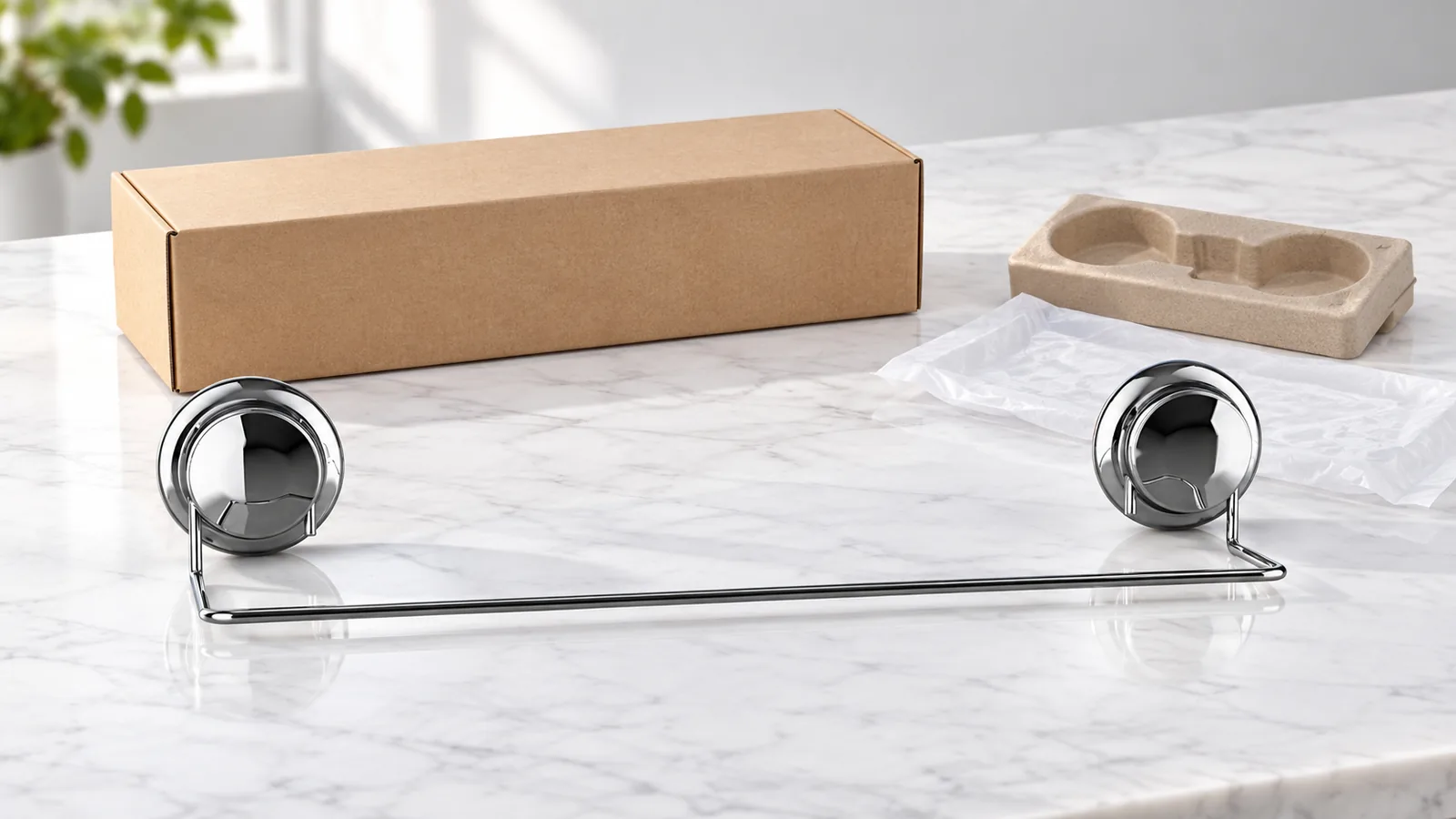
This LUCID packaging register Germany guide focuses on the representative trigger, the seller’s personal registration and the factory records that support packaging reporting. If a foreign hardware brand sells packaged products directly to end users in Germany and has no German branch, the German Packaging Register’s current guidance says an authorised representative has been required since 12 August 2026. The seller still has to complete its own personal registration in the LUCID Packaging Register; appointing a representative does not transfer that registration duty. The exact legal result depends on whether the company is a producer under the applicable rules and on its sales route, so a factory, exporter or overseas brand should not assume the rule applies—or does not apply—without checking the facts.
For a bathroom shelf, towel rack or shower caddy, the manufacturer may be able to describe the actual retail pack, protective components and carton used for a specific order. That information can support the responsible seller’s review, but it does not determine the seller’s legal role, register the seller in LUCID, or prove that every packaging component falls into the same reporting or system-participation category. This guide separates the market-entry decision from the supplier-data handoff. It is practical sourcing information, not legal advice; recheck the current official rules before placing goods on the German market.
When does a foreign hardware seller need a LUCID authorised representative?
Start with the entity that makes packaged products available on the German market, not simply the factory name printed on an export carton. The ZSVR’s current authorised-representative guidance describes the relevant case as a company based abroad, without a branch in Germany, that sells empty packaging or packaged products directly to end users in Germany without an intermediary retailer. For that stated case, the guidance says the representative must be appointed and entered in LUCID from 12 August 2026.
That is a specific sales-route test, not a general “foreign supplier” rule. A Chinese factory that sells finished, packaged products to a German distributor may have a different relationship to the German market than a foreign private-label company selling its own packaged goods directly to German consumers. Likewise, a company with a German branch or an intermediary retailer in the sales chain cannot safely apply the direct-seller summary without examining its producer status and the current law. The applicable definition of “manufacturer” under the EU Packaging and Packaging Waste Regulation and German implementation law matters; ordinary business language such as “we manufacture the rack” is not by itself the legal test.
The current German statute, VerpackDG §5, addresses appointment of an extended producer responsibility representative for qualifying manufacturers without an establishment in Germany. It distinguishes the representative’s delegated packaging-law duties from the registration duty under §6. The statute and the ZSVR’s practical instructions should be read together. If the facts are close, get a qualified German compliance adviser to determine who is the statutory producer and which sales route applies before relying on a summary.
What changes—and what remains personal to the seller?
The representative arrangement does not mean “the representative handles everything and the overseas company can forget LUCID.” ZSVR guidance states that the foreign company must register itself and enter the representative’s details. It describes the representative as taking on the other packaging-law obligations within the appointment, including relevant system participation and volume-reporting activities where applicable. The representative must be selected and appointed through the process the register specifies; the seller should retain the agreement and confirmation as business records.
| Party | Information or action it can own | What it should not be assumed to decide |
|---|---|---|
| Foreign brand/seller | Its own legal entity, German establishment status, channel and customer facts, producer assessment with its adviser, personal LUCID registration and appointment record | It should not treat a supplier’s LUCID number as its own registration or assume every shipment creates the same duty |
| German authorised representative | The packaging-law obligations actually delegated under a valid appointment, including register tasks described by current ZSVR guidance | It cannot remove the seller’s personal LUCID registration duty or decide commercial facts the seller has not supplied |
| Hardware factory or packaging supplier | Actual product SKU, approved packaging revision, component description, material and supported weight evidence for its own packing work | It should not decide the buyer’s German producer status, direct-sale route, legal exemption, LUCID account or final reporting classification |
| System operator or compliance adviser | The service or advice within its contract and applicable authority | Neither replaces the buyer’s obligation to provide accurate facts and confirm the current scope |
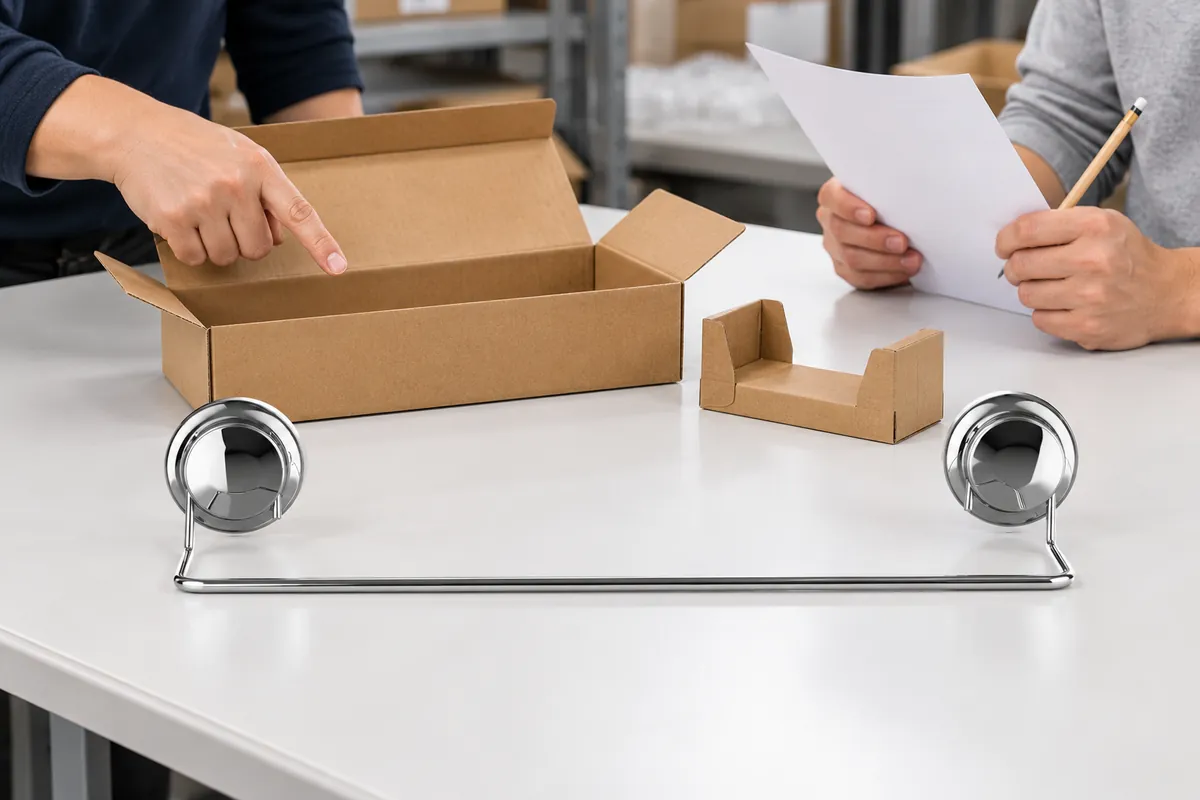
ZSVR says the appointment must be documented in a written German-language agreement; the German version is binding if there are translations, both parties must sign as specified, and a company can appoint only one authorised representative. The representative’s LUCID access and confirmation also matter: an unsigned draft contract or a name in an email is not the same as a confirmed register appointment. Before relying on the arrangement, the seller should check that the named person or entity is eligible, has the relevant register access and has confirmed the appointment through LUCID.
What packaging evidence should a hardware buyer request from the factory?
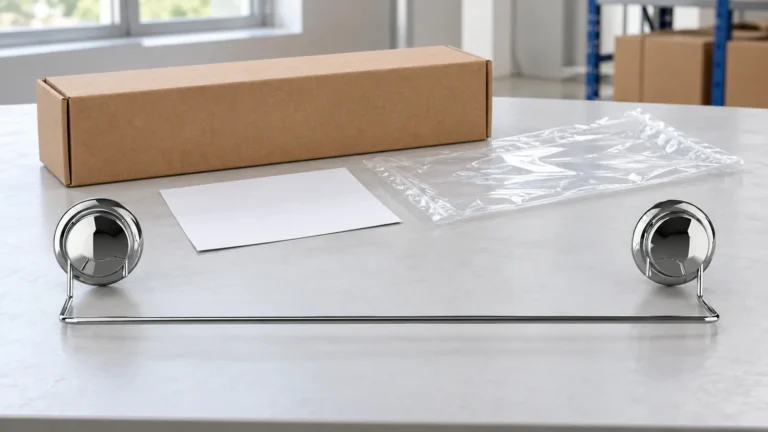
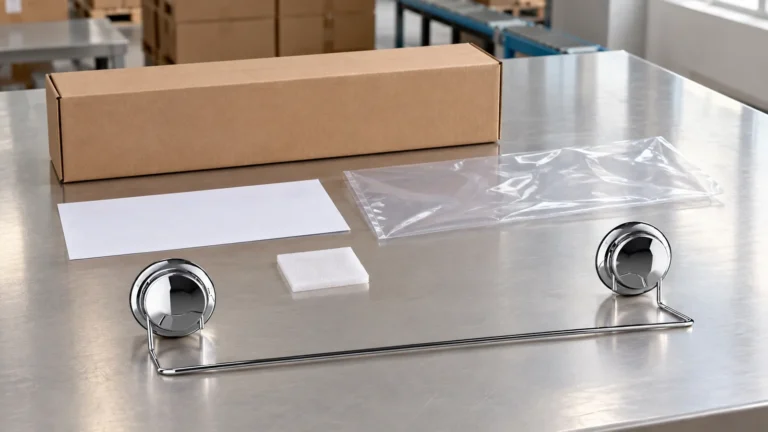
Once the responsible seller has identified the supplier-side data gap, request facts that can be tied to a product and a specific pack-out. A broad statement such as “carton is recyclable” or one gross shipment weight is not a substitute for component-level evidence. For each SKU and approved packaging revision, ask the factory or packaging vendor to identify what it actually supplies or packs and how each figure was obtained. In a LUCID packaging register Germany review, this supplier record supports the responsible seller’s assessment; it does not assign the seller’s legal role.
| Supplier record field | Useful evidence to request | Buyer control |
|---|---|---|
| Product and pack-out identity | Buyer SKU, supplier model, product revision, packaging revision and effective date | Keep the record connected to the order and approved sample |
| Component list | Each observed carton, sleeve, insert, bag, tape, protection or other component, with its function and packaging level | Do not assume a component exists or is unchanged across all SKUs |
| Material description | Supplier’s factual material name and supported subtype or construction | Preserve the specification, declaration or other source rather than guessing a regulatory code |
| Quantity and weight | Count per sellable unit or master pack, weight per component and stated unit | Distinguish component net weight from product-plus-packaging gross weight |
| Measurement basis | Actual weighing, calculation, drawing/specification, supplier declaration or estimate; date and source | Mark estimates as estimates and retain calculation inputs |
| Packing responsibility | Packing site, packaging vendor, order stage and any distributor/fulfilment repack | Identify added packaging outside the factory’s original configuration |
| Change history | Material, component, quantity, supplier or pack-out changes and the first affected order/revision | Preserve superseded versions so the right data can be matched to a reporting period |
ZSVR’s data-reporting FAQ says material type and packaging-component weights are needed for relevant volume reports and explains that an authorised representative for an international company without a German branch submits reporting data on behalf of the obligated company when appointed. The buyer can make the supplier request more useful by attaching photographs or an approved packaging drawing and asking the supplier to mark what it can confirm, what it estimated and what it does not control.
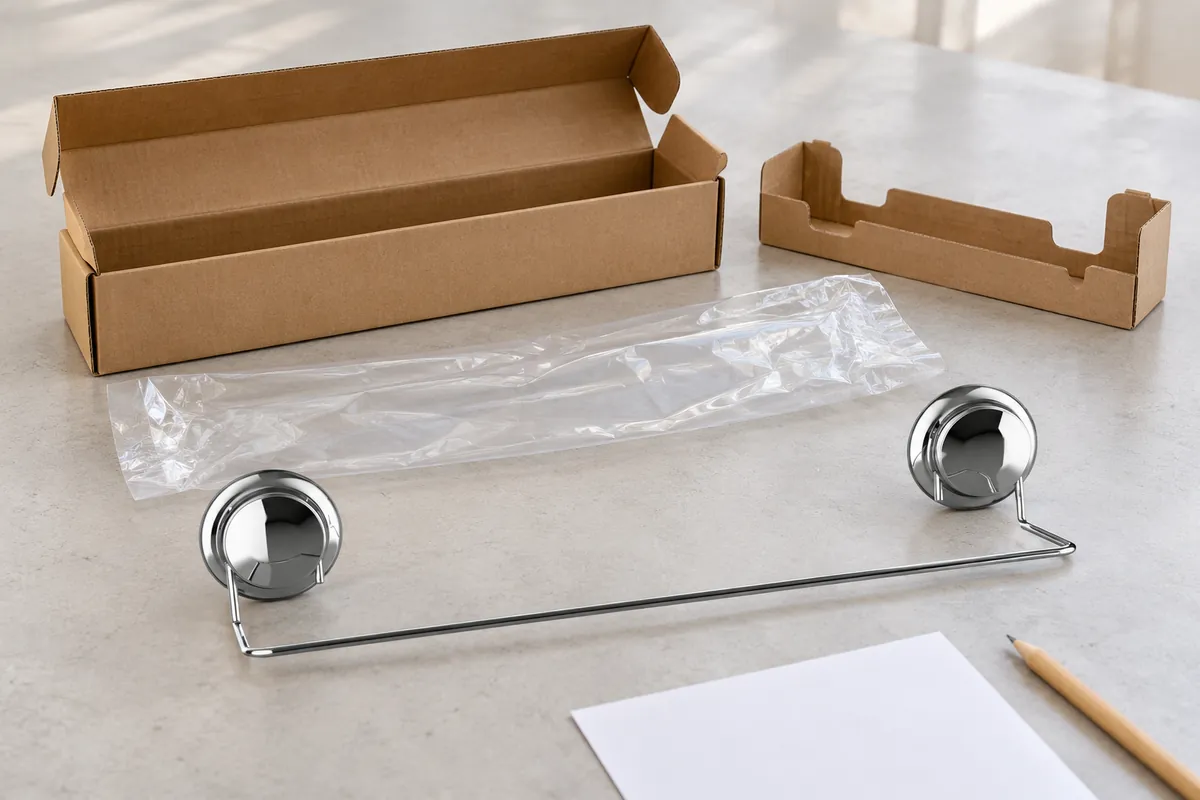
Do not ask a Chinese factory to fill in facts it cannot observe, such as which German company owns the brand, whether the buyer sells directly to end users, what share of sales goes through a marketplace, or how much packaging is placed on the German market during a reporting period. The importer or responsible seller controls those facts. Keep the supplier’s component record and the seller’s market-placement data in separate but linkable files.
How should buyers separate LUCID registration, reporting and packaging categories?
Three tasks are easily collapsed into one vague phrase like “Germany EPR number”: producer registration, packaging-system participation or other applicable take-back duties, and volume reporting. They are related but are not interchangeable. LUCID registration identifies the producer in the register. System participation concerns packaging types that are subject to the relevant system rules. Data reports concern the applicable packaging volumes and must match the records and categories required by the current official process.
ZSVR’s current FAQ describes retail, grouped and shipment packaging as examples of packaging subject to system participation. It also explains that packaging not subject to system participation can still carry recovery, return or documentation obligations under the applicable rules. For an export carton, pallet wrap, reusable transport item or mixed retail pack, do not infer the legal category from the supplier’s everyday label. Check the current official catalogue and rules for the component’s actual use and supply chain. The word “transport” on an invoice or drawing is not, by itself, a legal classification.
The German EPR decision also differs from the UK and U.S. programs. Koitor’s UK packaging EPR supplier-data guide covers a different jurisdiction’s reporting and classification questions. The U.S. state packaging EPR guide covers a separate state-by-state framework. Neither page substitutes for checking the German register, VerpackDG and the packaging type relevant to a German sale.
A practical pre-shipment review for a Germany-bound hardware SKU
Use a short, version-controlled review before commercial release. It is not a substitute for a legal assessment; it helps the buyer collect the right facts and avoid treating an incomplete file as proof of compliance.
- Identify the seller and route. Record the legal entity placing the packaged product on the German market, where it is established, who buys from whom, and whether an intermediary retailer sits between the seller and end user.
- Confirm statutory producer status. Apply the current PPWR/VerpackDG definitions to the actual transaction. If the answer is unclear, have a qualified German adviser confirm it; do not infer status from the factory’s export role alone.
- Check the representative trigger. For a qualifying foreign company without a German branch that sells directly to end users without an intermediary, review the authorised-representative requirement and effective date in current ZSVR guidance.
- Complete the personal register step. The producer registers itself and enters the appointed representative as required. Retain the confirmation, agreement and the current register details.
- Map the packaging configuration. List every packaging component actually supplied with the SKU and note whether a downstream distributor or marketplace adds another layer.
- Request supporting supplier evidence. Ask for material descriptions, component weights, quantities, measurement source, date and revision. Flag estimates and mixed materials rather than silently converting them into precise measurements.
- Confirm system/reporting treatment. Use current German guidance for each packaging type and the company’s actual obligation. Have the representative or adviser review the mapping where required.
- Reconcile before shipment and after changes. Match the confirmed pack-out to the order, preserve old versions and request an updated record when a packaging material, supplier, quantity or packing site changes.
If the buyer needs a supplier-side record, a concise request can say: “For SKU [buyer code] and packaging revision [revision/date], please list every component used per sellable unit and outer pack. State the material description, count, component weight and unit, measurement or calculation source, date, packing site and any unknowns. Please identify any change from the approved sample and do not assign German producer status or legal classification.” The brackets are deliberate placeholders for buyer-controlled facts, not suggested standard fields imposed by Koitor.
Common LUCID mistakes to avoid
- Using the factory’s registration as the brand’s registration. LUCID registration is a personal duty of the producer described in the current guidance; a supplier ID does not automatically register a separate brand owner.
- Assuming every foreign manufacturer needs the same appointment. The relevant sales route, German establishment, statutory producer definition and current law must be checked together.
- Assuming a representative replaces all buyer-side controls. The seller still needs to provide accurate company, product, market and packaging facts and complete its personal registration step.
- Treating supplier weights as a legal filing. Supplier evidence supports the responsible organisation’s assessment; it does not by itself decide producer role, package category, market quantity or reporting obligation.
- Classifying by packaging nickname. “Export carton,” “retail box” or “master carton” may be useful operational terms, but the applicable legal category depends on use and current definitions.
- Reusing an old pack-out record. A change to the carton, protective sleeve, insert, count or packing site can make a former data sheet inaccurate for a new order.
The practical takeaway for LUCID packaging register Germany planning is to keep three records linked but distinct: the seller’s market-role and LUCID record, the representative’s appointment and delegated compliance work, and the supplier’s revision-specific packaging evidence. For a product drawing, sample or packaging change, the custom bathroom hardware manufacturer team can discuss the manufacturing and pack-out information it can support; the German producer-status and filing decision belongs with the responsible company and its qualified compliance support. Buyers can contact Koitor with the exact SKU and packaging revision when they need to clarify a supplier data request.
This page was prepared against the official ZSVR guidance and the current German statute checked on October 21, 2026. German packaging requirements and administrative instructions can change; confirm the live ZSVR/LUCID process and legal scope again before the first German market placement and before each relevant reporting submission.
Need Supplier Packaging Records for a Germany-Bound Hardware SKU?
Share the product and packaging revision with Koitor to discuss the component and pack-out information the factory can support. Seller registration, producer status and German filing decisions remain with the responsible business and its qualified compliance support.
OEM / PRIVATE LABEL
Turn this sourcing guide into a product brief
Share your target product, size, finish, order quantity and packaging requirements. Your team receives a practical manufacturability review before quotation.
 English
 Español
 Português
 Français
 Deutsch
 العربية