

A supplier asks to cancel third party inspection China orders can leave an importer unsure whether to authorize a change, challenge the request, or hold shipment. First confirm what has actually changed: the production-ready date, the inspection scope, the appointment, or only the supplier’s preferred communication route. Contact the inspection provider through the booking account or another verified channel, check the terms tied to that booking, and ask the supplier for a specific operational reason and a feasible replacement date. Do not treat the request alone as proof of misconduct, and do not let an unconfirmed appointment silently become a shipment release.
The search phrase “supplier asks to cancel third party inspection China” describes a buyer-process problem, not a standard supplier behavior. Factories may need to move an appointment because production or packing is incomplete, an order detail changed, cartons are inaccessible, or the booking contains an error. A change can be legitimate, but the importer needs to preserve who authorized it, what the provider agreed, and which order requirements still govern dispatch.
What should the buyer confirm before agreeing to a change?
Treat the first message as a request to investigate, not as a completed cancellation. A supplier may coordinate production access, but the buyer should establish who is the inspection company’s client, who is authorized to change the booking, and which party controls the order’s shipment-release decision. These roles may be split among an importer, sourcing agent, supplier, marketplace and service provider. The booking record and signed or accepted service terms are more reliable than assumptions based on who sent the first email.
Separate the request into facts
Ask the supplier to state the requested action in precise terms. “Cancel the inspection” may mean a different date, a reduced scope, a different factory location, an order postponement, a duplicate booking, or a request to skip inspection altogether. Each has a different operational consequence. Ask for the reason, the date when the goods will be ready, which purchase-order lines and quantities will be available, and whether cartons will already be sealed or accessible.
Then check whether the original booking details match the order: supplier and factory legal names, address, purchase-order number, product models, color or finish variants, lot quantity, inspection date, and named buyer contact. If the booking has an incorrect address or an obsolete order revision, correcting it can be sensible. If the products are not ready, a date change may solve the problem, but only if the new date still works with the buyer’s delivery plan and any agreed inspection requirement.
Use neutral language. A short, documented question such as “Which products will be unavailable on the confirmed date, why, and what date can the full order be presented?” is more useful than an accusation. Do not infer fraud from a rescheduling request by itself. Repeatedly changing the reason, refusing to identify the affected quantities, or contacting the provider to alter buyer instructions without authority are signals to verify, not findings that establish intent.
Map the roles and approval path
Create a simple role map before approving anything:
| Party | Confirm | Keep in the record |
|---|---|---|
| Buyer or named client | Booking account, inspection scope, accepted terms, change authorization and release decision | Order revision, written instructions, approval or hold decision |
| Inspection provider | Appointment status, change authority, applicable cutoff, fee, scope and confirmation number | Provider reply, revised booking and invoice or fee notice |
| Supplier or factory | Goods readiness, site access, available quantity, packed and unpacked units, staff and equipment | Readiness statement, dated photos where useful, revised completion plan |
| Agent or marketplace | Whether a separate service or platform rule applies, and who can submit a change | Case number, service terms and platform message |
The same person does not automatically control every step. For example, a factory may need to coordinate access and unpack cartons while the buyer remains the named service client. Conversely, a buyer may have asked the supplier to book a provider and may not be the account holder. Verify the actual arrangement. If authority is unclear, ask the provider to confirm in writing which account holder or named contact can change the appointment before anyone instructs the inspector to stand down.

How should importers verify cancellation deadlines and fees?
Read the service terms attached to the booking and ask the provider to confirm the rule that applies to this specific appointment. Do not rely on a general web search, an old quotation, a supplier’s memory, or a cutoff remembered from another inspection company. Services can differ by provider, country, booking channel, inspection type, contract version, local working time and how late the change is received.
QIMA illustrates why this check matters. Its public inspection changes and cancellation page says a confirmed date and site can be changed by 1 PM China time on the preceding day, and its public cancellation cutoff is also stated as 1 PM. QIMA’s Conditions of Service, Annex 1 describes no-charge cancellation until 4 PM China time on the prior day for its inspection services, with a full charge after that point. These published statements do not give buyers a safe basis to assume which cutoff governs their particular order. Ask the provider to identify the applicable term in writing and follow the terms incorporated into the actual booking. These are QIMA-specific examples, not a universal industry deadline.
Confirm more than the clock time. Ask whether a date change, site change, cancellation, no-show or failed access has a separate charge; which time zone applies; how a request must be submitted; when it becomes effective; and whether the provider has accepted the change. A message sent before a stated cutoff may not change the booking if the contract requires a portal request or provider acknowledgement. Save the reply and revised confirmation rather than treating a sent message as approval.
Also verify the service scope. A new date should not accidentally remove a model, color, component, carton check, packaging review, measurement or agreed test from the order. Ask the provider to restate the inspection type, goods, quantity or lot, site, date, sample basis and instructions that will appear in the updated confirmation. This is a scope-control check; it is not a substitute for deciding which product characteristics belong in the inspection plan.
QIMA’s terms state that its client supplies clear inspection instructions and that another party cannot instruct it about scope or report delivery unless authorized in writing. Its inspection instructions also say products should not ship until its client confirms approval and describe access, workspace, cartons and staff support for that provider’s process. These details help explain the roles involved, but another provider or a separately negotiated agreement may use different rules. For the product checks themselves, link the booking back to the current drawing and the buyer’s defined acceptance criteria; align any packed accessory review with the live hardware kit packing inspection checklist.
Ask the provider these questions
Send a concise request through the verified booking channel:
- Is the appointment still active, and who is recorded as the client and authorized contact?
- Can the supplier request this change, or must the named client submit or approve it?
- Which version of the cancellation, rescheduling and missed-visit terms applies to this booking?
- What is the exact local deadline, required submission channel, fee and effective confirmation step?
- Can the provider preserve the current scope and transfer it to a replacement date or site?
- What evidence or readiness information is needed before the provider reconfirms the visit?
If an agent made the booking, include the agent but do not rely on forwarding alone. Ask the provider to identify the account holder and acknowledge the revised arrangement directly. If the provider cannot confirm a change, tell the supplier the existing appointment remains the working plan unless and until the authorized channel confirms otherwise. This keeps the operational record clear without making a claim about who is at fault.
What if the factory says the order is not ready?
Readiness is often the practical reason behind a rescheduling request, so ask for a verifiable status rather than a broad assurance. “Nearly finished” does not tell the buyer whether the complete lot will be available, whether the inspection can access samples, or whether cartons are ready for packaging review. Request a short breakdown by model or purchase-order line: completed quantity, quantity awaiting finishing or assembly, quantity packed, expected completion date, and any item that cannot be inspected on the proposed date.
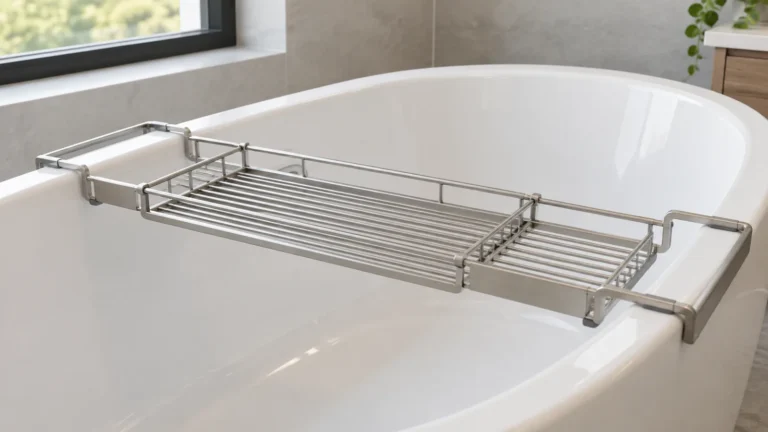
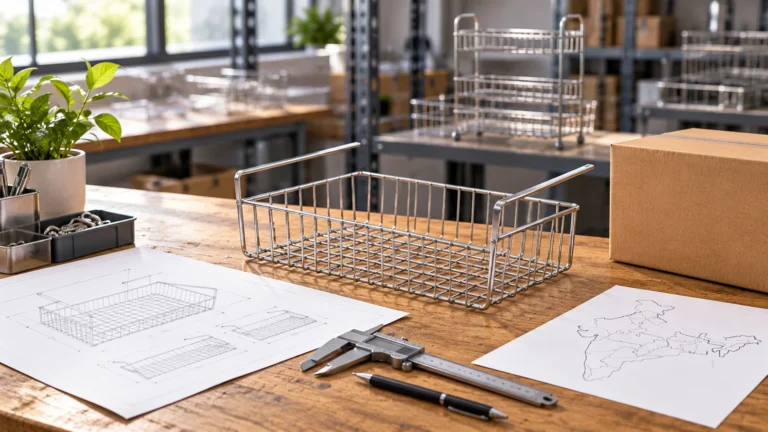
For metal bathroom or home-storage hardware, define readiness using the purchase order and current revision. A supplier might have the right product family on site but not the final finish, accessory kit, mounting components or printed packaging for the order. If a finish variant or accessory set is missing, the buyer and provider should agree whether a partial inspection is meaningful and how the uninspected goods will be handled. Do not let a sample from another order stand in for the production lot without explicit, recorded agreement.
Ask what the inspector will be able to access. Cartons may need to be grouped, products may need unpacking and repacking, and a suitable work surface, lighting, weighing equipment or factory assistance may be relevant under the provider’s instructions. For example, QIMA publishes specific requirements for accessible cartons and staff assistance. Confirm the actual provider’s needs rather than imposing those exact details on every inspection.
Request proportionate evidence: a dated production-status table, photos that identify the order and show relevant cartons or goods, and a named contact for opening the area. Photos can help confirm that goods appear present and accessible; they do not prove quantities, hidden construction, material grade or inspection results. Ask the provider whether remote evidence is sufficient for scheduling, while preserving the agreed on-site scope if the buyer ordered a physical inspection.

Choose the next action based on the verified condition:
- Goods are ready; the request appears to be a booking error: ask the provider to confirm the active appointment, site and scope. If a correction is needed, have the authorized contact submit it and obtain written acceptance.
- A small part of the lot is not ready: compare the partial inspection’s value with the purchase-order requirement. If the buyer elects to inspect only available goods, identify the excluded quantities and make a separate release decision for them.
- The full lot needs more production time: compare a new inspection date with the contractual shipment window, vessel cutoff and any delivery commitments. Confirm any cost or schedule effect before accepting the date.
- The supplier asks to skip inspection: check the purchase order, platform terms and internal approval rules. Do not treat a verbal request as a buyer waiver.
- The provider cannot perform the service: ask about the provider’s own reschedule, refund, alternate inspector or claim process, and document any replacement scope. A provider cancellation is different from a supplier request.
How can buyers keep the shipment decision separate from the appointment?
An inspection appointment is one control in an order process. It is not automatically the shipment release itself. Establish before production which documents or results the buyer needs, who reviews them, how discrepancies are resolved, and what written act releases goods or payment. QIMA’s conditions say its pre-shipment report is not evidence that goods shipped. More generally, a report describes only the service and scope actually performed; the buyer must apply the relevant contract and order rules to decide what happens next.
If the inspection is moved, retain the requirement unless the authorized buyer explicitly changes it. The supplier should know that “date changed” does not mean “inspection waived.” If the buyer chooses to waive or narrow a requirement, record who approved it, the affected order lines, any residual risk accepted, and how the final release will be documented. Do not ask an inspector to change a result, omit a finding, or issue a report to satisfy a shipment target; clarify factual scope or request a reinspection through the provider’s formal process instead.
Connect the inspection record to the other order documents. The purchase order, drawing revision, approved sample record, packaging instruction and inspection request should identify the same product configuration. If the buyer approves a design, finish, carton or quantity change while the appointment is pending, update the provider’s scope and the factory’s working documents. A report against an obsolete drawing can be neatly formatted and still fail to answer the current buyer question.
Use a release record that captures at least:
- Order number, supplier, site and affected SKU or model revisions.
- Original and revised inspection dates, who requested the change, and provider confirmation.
- The agreed scope, lot or quantities presented, exclusions and any access limitation.
- Report date, findings and corrective-action or reinspection status.
- Buyer decision: hold, conditional release, approved deviation or release under the purchase terms.
- Name, role and timestamp of the authorized approver.
This record helps a colleague understand the decision later and reduces conflicting instructions to the supplier, inspector, broker and logistics provider. It does not guarantee product conformity or replace inspection, customs or contractual obligations.
A practical change-control sequence for importers
When a supplier asks to cancel third party inspection China orders, use this sequence to keep the response calm and auditable:
- Acknowledge without approving. Confirm you have received the request and ask the supplier not to assume the appointment is cancelled or shipment is released while it is being checked.
- Capture the reason and facts. Ask what is unavailable, which order lines are affected, when the goods will be ready and whether the issue concerns production, access, booking details or scope.
- Verify authority with the provider. Use the existing booking account or a confirmed contact channel. Ask who can instruct changes and which service terms apply.
- Compare schedule and scope. Check the new date against buyer deadlines and check whether all intended products and tests remain in the appointment.
- Choose a documented branch. Keep the date, formally reschedule, inspect a clearly bounded partial lot, or request provider alternatives. Record any waiver separately.
- Get acceptance from every needed party. Save the provider’s revised confirmation and obtain the supplier’s written readiness commitment. Notify the agent only through a channel that preserves the source record.
- Close the release gate. Review the final report and other required documents, resolve discrepancies and have the named buyer approver record the shipment decision.
This sequence is deliberately factual. It neither assumes the supplier is acting improperly nor asks the buyer to accept an unverified change. It gives the buyer a clear point at which a date, scope, fee or release condition changed and a person who authorized it.
Copyable message to the supplier
Thanks for flagging the inspection request. Please confirm which goods or order lines will not be ready on the booked date, the reason, the earliest date the complete inspection lot will be accessible, and whether the final packing and accessory sets will be available. We are checking the provider’s booking terms and authority. Please do not cancel or alter the appointment with the provider on our behalf unless the booking contact has authorized it in writing. Until the provider confirms any accepted change and we record a shipment decision, the current order inspection and release requirements remain in effect.
Adapt this note to the actual booking relationship. If the supplier is the account holder, do not imply the buyer has authority over the provider account; instead ask both the provider and supplier to confirm the process and obtain the buyer’s approval where the purchase order requires buyer approval. The essential point is to preserve a shared, dated record of the appointment and the order release condition.
Common questions about supplier-requested inspection changes
Does a supplier request to reschedule prove that something is wrong?
No. Production completion, carton access, a booking error or a provider scheduling issue can all require a change. Ask for the reason, affected quantities and replacement date, then verify the booking directly. A pattern of inconsistent explanations or unauthorized instructions deserves closer review, but a single request does not establish intent or product quality.
Who should contact the inspection company?
The account holder or a contact authorized under the booking should submit the change. The supplier may coordinate the factory and help make goods accessible. Confirm both roles with the provider rather than assuming that the party who paid, emailed or arranged the factory automatically has all instructions rights.
Can the buyer change the appointment after the supplier agrees?
Only if the provider’s terms and booking process allow it and the authorized contact completes the required step. Supplier agreement alone may not change a third-party booking. Obtain a revised confirmation that states the date, site and scope.
What if the supplier says the goods are ready but the inspector finds cartons inaccessible?
Ask the provider to record the limitation and follow its missed-visit or rescheduling procedure. Request a specific corrective plan from the factory, including who will group or open cartons and when. Do not present inaccessible goods as inspected, and check whether a fee applies under the actual booking terms.
Does a passed report automatically authorize shipment?
Not necessarily. The report reflects the assigned scope and findings at the inspection time. The purchase order or platform process may require additional records, corrective action or buyer approval. Verify the report and make a separate release decision under the applicable order documents.
Should a buyer accept a partial-lot inspection?
It depends on the order and the reason the balance is unavailable. If the buyer agrees, identify the exact SKUs and quantities inspected, the excluded goods, and how the remaining lot will be checked or released. A report must not be interpreted as covering items the inspector did not examine.
Can the supplier tell the inspector to change the scope?
That depends on the booking terms and written authorizations. QIMA’s current terms say its client provides the instructions and another party needs written authorization to instruct it about scope or report delivery. Verify the named client’s arrangement for the actual provider rather than applying QIMA’s condition universally.
What should a buyer do if public provider pages show different cutoffs?
Ask the provider to identify the term incorporated into the booking and confirm the applicable local deadline, fee and change channel in writing. Keep that response with the appointment record. Do not select whichever cutoff is more convenient or assume that one public page supersedes an accepted order term.
How does this topic differ from a packing checklist?
The change-control question is who can alter the booking, what terms and readiness facts apply, how the new appointment is recorded, and whether the buyer still has a release hold point. Carton contents and accessory completeness are only one part of inspection planning; buyers can use our hardware kit packing inspection checklist to define that separate pack-out review.
Planning an OEM hardware order?
Koitor Hardware is a family-owned custom metal hardware manufacturer specializing in bathroom and home storage products, with flexible small-batch OEM production and direct factory communication. If you are preparing an RFQ, share the drawing or sample, target quantity, finish and packaging requirements to discuss how the product specification and factory-side readiness information can be aligned. This is a product and order-planning discussion; Koitor is not represented here as a third-party inspection provider.
Prepare a Clear Hardware Order Brief
Discuss your drawing, approved sample, finish, accessory set and packaging scope with Koitor before an order moves toward production and shipment.
OEM / العلامة التجارية الخاصة
حوّل دليل التوريد هذا إلى موجز منتج
يرجى إطلاعنا على المنتج المستهدف، والحجم، والتشطيب، وكمية الطلب، ومتطلبات التغليف. وسيتلقى فريقك تقييمًا عمليًّا لإمكانية التصنيع قبل تقديم عرض الأسعار.

 English
 Español
 Português
 Français
 Deutsch
 العربية