
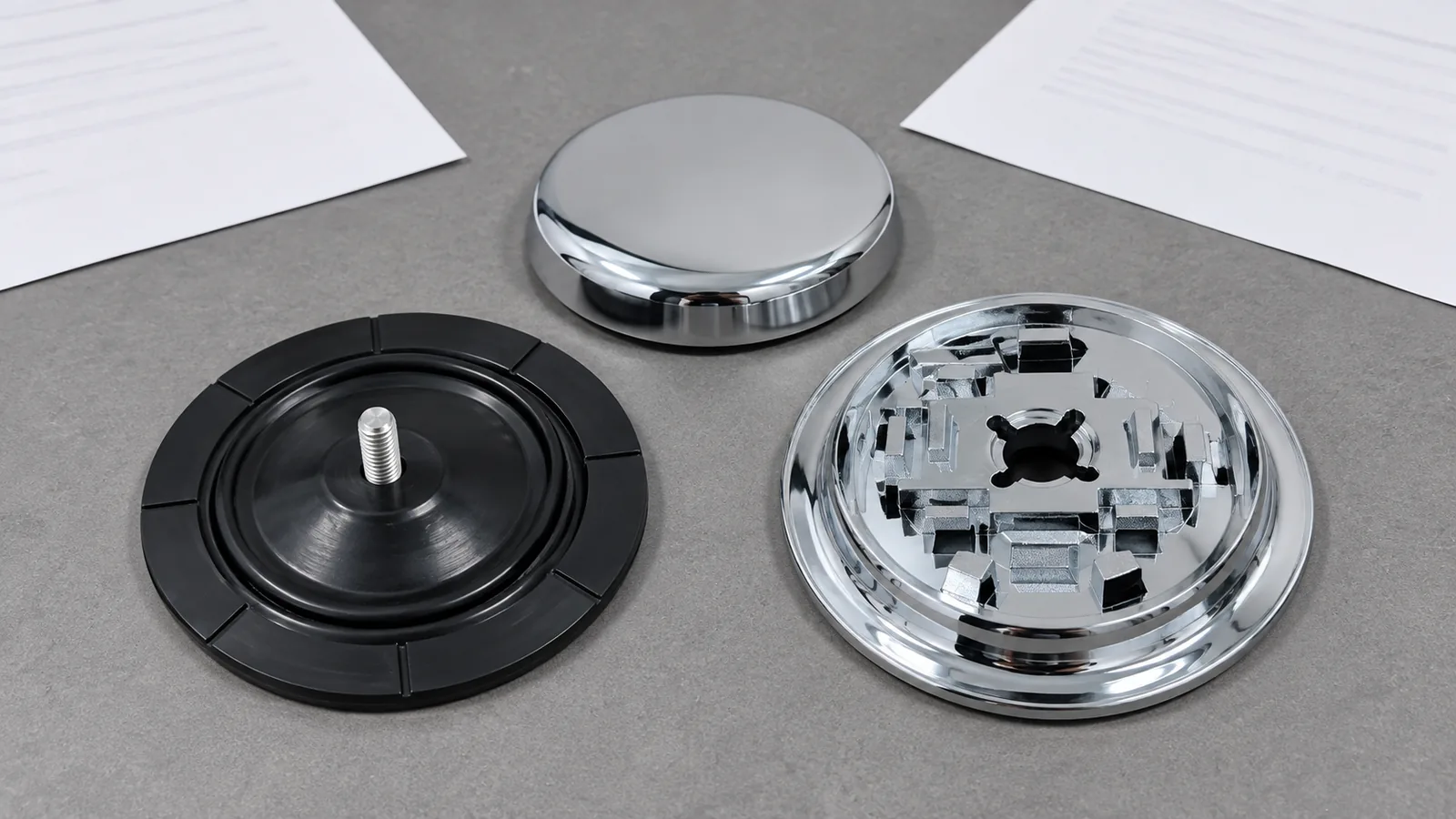
A second source supplier qualification checklist should compare a defined candidate component with the exact part and revision already approved for a product, then assign proportionate evidence and approval before the candidate enters production. Buyers should identify what must remain equivalent, what differences exist, who can approve them, and which sample or lot will represent the decision. A second supplier is not automatically interchangeable because a part name or catalog description matches. The right checks depend on the component’s function, interface, product requirements, contract and risk.
How Should Buyers Define the Approved Part Before Comparing Sources?
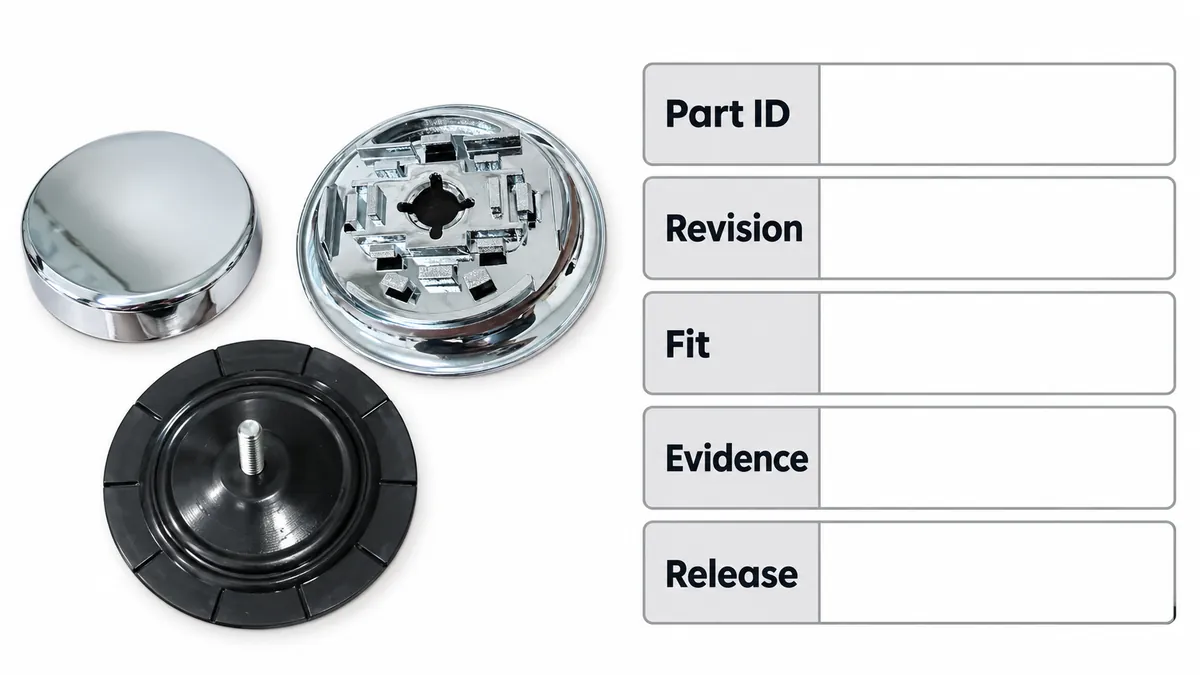
Start with the current approved baseline. A sourcing team cannot qualify an alternative reliably if it does not know which component, revision, specification and release condition it is replacing. Record the buyer’s product SKU and revision, the component identifier, the current source or source reference, the controlled drawing or specification, and any approved deviations that still apply.
“Second source” can mean different things. A buyer might want a qualified backup before a disruption, a second supplier for part of future volume, or a replacement source after a change. This article addresses the proactive approval of an alternate source for one defined component before production use. It does not prescribe a dual-sourcing strategy, factory audit program or universal requirement to have two suppliers.
Identify who owns the specification. The component may be buyer-designed, factory-designed, nominated by a customer, or selected from a supplier’s standard range. For a bought-in screw, insert, cap, pad or mounting component, the buyer may own the part definition while the finished-product manufacturer manages the assembly interface. Clarify that division before asking a candidate source to quote. If the candidate proposes changing the design, material or process, handle that proposal as a change requiring review; do not quietly classify it as an equivalent alternate.
A baseline record can include:
- Finished-product SKU and drawing revision.
- Component name, buyer part number and currently approved source reference.
- Component drawing, material or finish specification, and revision date.
- The interface or product feature the component must match.
- Approved sample, first-article record or other reference that defines the current condition.
- Any open deviation, customer approval or contract restriction.
- The party authorized to accept a source change and the records required for release.
The product drawing, purchase order, approved sample and supplier documents should be reconciled when they disagree. A public supplier-quality manual can illustrate how one buyer defines document precedence and supplier change controls, but its rules apply to that buyer’s own supply chain. Your contract and approved product records control your decision.
What Should the Buyer Compare Between the Current and Candidate Component?
Compare the candidate against the approved baseline by characteristic, not by supplier promise. A useful matrix marks each characteristic as same, different, unknown or not applicable, and points to the evidence behind the entry.
| Comparison area | Questions for the buyer and supplier | Mögliche Beweise |
|---|---|---|
| Identity and revision | Is this the same component definition and revision? Who owns the drawing? | Controlled drawing, part number, revision history |
| Form and interface | Do the dimensions, locating features, threads, clearances and orientation match the product interface? | Drawing review, measured samples, assembly review |
| Function | Does the part perform the specified role in the finished product under the defined use? | Requirement-linked bench check or product-level validation |
| Material and finish | Are the specified grade, compound, coating, color or surface reference the same? Are differences explicitly approved? | Material declaration or traceable document, finish sample, agreed specification |
| Manufacturing route | Does the candidate use a process or location that changes relevant characteristics or control? | Process description, change record, inspection approach |
| Inspection and records | Are the inspection methods and acceptance criteria tied to the same revision? | Inspection plan, sample results, measurement records |
| Packaging and identification | Can the candidate part be distinguished and traced at receipt and during assembly? | Label example, lot or date-code method, pack-out record |
| Commercial and release terms | What quantity, effective date, lead time and order reference apply to the approved source? | Quotation, purchase order, signed change or release record |
The matrix is not a blanket technical specification. For example, an alternate fastener may require comparison of thread, length, head form, material, finish and the mating feature called out in the design. A pad or insert may require a different set of characteristics, such as the specified material identity, fit, compression or assembly behavior where those properties are defined by the product requirement. Do not invent a universal tolerance or material threshold. Use the actual drawing, agreed specification, test method and buyer acceptance criteria.
The distinction between “same name” and “same part” matters. Two sources can use similar catalog names while differing in a thread, molded feature, plating, wall thickness, edge radius, surface texture or included accessory. A difference may be immaterial for one application and critical for another. The buyer should record the specific difference and its consequence rather than relying on a general statement such as “same quality.”
A supplier’s standard certificate or catalog page may help identify a component, but it does not demonstrate that the component matches a particular finished-product revision. Keep source documentation attached to the candidate part number and the relevant finished-product drawing or bill of materials.

How Much Verification Evidence Is Enough?
Choose verification based on what could change and what the component does. There is no single sample size, inspection level or test that qualifies every second source. A low-risk cosmetic cap and a component that controls a product interface may need different evidence. The buyer should define the acceptance criteria before reviewing results, so the candidate is not judged against a moving target.
A proportionate review often moves through these stages:
- Document review. Compare the current and candidate drawings, material or finish requirements, revision, process notes, inspection method and source identification. Resolve missing or conflicting records first.
- Sample comparison. Identify samples by source, part number, lot or date, and revision. Measure or inspect the characteristics that the drawing or requirement identifies as relevant. Preserve the samples or records when the project calls for them.
- Fit and assembly check. Use the candidate in the intended product interface or assembly. Confirm the specific clearances, orientation, engagement and assembly steps that the design requires. A loose component check may not reveal an interface issue visible only in the completed product.
- Function or performance evidence. If the component affects a defined function, choose an agreed method that represents that requirement. Do not assume that a visual inspection, one static check or a supplier’s statement proves all product performance.
- First-lot control. Decide whether the first production lot needs extra identification, inspection or a limited release. Set the acceptance criteria and who reviews the result in advance.
- Ongoing monitoring. Once released, retain source and lot identification so a later issue can be traced to the candidate source and effective production window.
The evidence should answer a question. If a candidate uses a different finish, ask which appearance or corrosion requirement applies and how it will be assessed; do not assume a visual match proves a finish’s durability. If a source changes an inspection method, ask whether the new method can evaluate the defined characteristic. Graco’s supplier change page lists examples such as component, material, process, packaging and inspection changes within its own supplier program. Rockwell Automation’s January 2026 supplier quality manual likewise describes defined approval and change controls for its own supply chain. These are examples of company-specific controls, not universal requirements for bathroom-hardware buyers.
The final evidence package should make clear what was checked, against which revision, by whom, when, with which acceptance criteria, and with what outcome. If a requirement cannot be verified, record it as open. A missing test or uncertain material record should not be converted into a pass by the fact that the sample looks similar.
Who Approves the Alternate and When Can It Enter Production?
Before placing an order, identify the approval authority. Depending on the product and contract, that may include the buyer’s product engineering, supplier quality, customer, project reviewer or regulatory specialist. The component supplier and finished-product factory can provide information, samples and process details, but they do not automatically hold the buyer’s approval authority.
Write the decision in a controlled record. It should identify the candidate source, part and revision; the finished-product SKU and revision; the evidence reviewed; accepted differences or conditions; the approver; the effective date or lot; and any limits on quantity or destination. If approval is conditional, state exactly what must happen before regular production. An email that says “looks okay” may be difficult to connect later to the right sample, drawing and order.
Separate approval from implementation. A candidate may be technically approved but not yet effective for production. The buyer can define whether an initial lot, customer confirmation, updated bill of materials, new label or purchase-order revision must be complete before the source is released. Keep existing and candidate lots identifiable during a transition. If the product uses more than one component source at once, mark the applicable source and lot in the records that travel with the parts.
The decision should also account for future changes. A source qualification is not perpetual approval for every material, process, location or revision that the source may later use. Define which changes require notification and renewed review in the commercial agreement or change-control record. Graco’s public change page and Rockwell’s supplier quality manual illustrate that individual companies can specify prior notice and written approval for certain supplier changes. Do not copy another buyer’s lead time, forms or approval rules without agreement.
For supplier change communication after an approved source or process is altered, see the general custom bathroom hardware manufacturer information and follow the responsibilities documented in your own supplier agreement. A related washroom submittal checklist shows how product revision and approval records can be connected to a project schedule. When the alternate component is part of a shipped hardware kit, the hardware-kit packing inspection checklist can help organize packing and identification checks; it does not qualify the component itself.
What Common Mistakes Can Undermine a Second-Source Decision?
Treating supplier count as proof of resilience. Two quotations do not necessarily represent two qualified sources. The alternate may rely on the same sub-supplier, material route or tooling, or it may not have been approved for the exact product revision. Define what continuity problem the alternate is intended to reduce, then assess whether it actually addresses that risk.
Approving a component family instead of a controlled part. A supplier may offer several sizes, finishes or materials under one family name. Record the exact part number and revision. If the candidate changes after sample approval, reopen the comparison for affected characteristics.
Using a sample as the only evidence. A sample can help assess fit, appearance or assembly, but it does not alone establish material identity, process consistency, inspection capability or future-lot traceability. Pair it with documents and checks that answer the buyer’s actual requirements.
Confusing source qualification with a factory audit. A general factory audit may inform supplier oversight but does not necessarily demonstrate that a specific alternate component matches a released drawing. Conversely, a component sample check does not establish a supplier’s broader management system. Use each activity for its stated purpose.
Setting universal tests before reviewing product risk. Copying a test or sample size from an unrelated product can waste time or miss the characteristic that matters. Tie each check to a defined requirement, product interface, known difference or contractual obligation. If the buyer cannot explain what a test result would decide, the test plan needs clarification.
Letting the supplier define acceptance alone. Supplier records are useful evidence, but the buyer and responsible product owner should define the requirements and acceptance authority. If the buyer has no baseline specification, qualification becomes subjective; establish the decision criteria before comparing results.
Failing to mark the change’s effective lot. If the first approved order and later replenishment use different sources without clear lot identification, a future fit or finish issue becomes harder to trace. Record the effective source and any transition conditions in the bill of materials and purchase records.
How Should Buyers Use a Second Source Supplier Qualification Checklist?
An OEM supplier can give a more specific response when the buyer shares the product context rather than only asking whether a component is “equivalent.” Send the current finished-product revision, component specification or source drawing, candidate details, sample identifiers, relevant material or finish requirements, intended market, order stage and the decision that must be made. Identify which component is buyer-selected, supplier-proposed or customer-nominated.
When using a second source supplier qualification checklist, attach the exact revision and evidence request to each item so the supplier can respond against the same baseline.
For bathroom and home-storage metal hardware, the component may interact with a formed or welded product, a surface finish, an assembly sequence, packaging or a buyer’s replacement-part system. A source difference can therefore affect more than the component dimensions. Ask the manufacturer to describe the confirmed interface and any open assumptions. If the supplier recommends a design, material or process change, document it separately from the buyer’s initial qualification.
Koitor Hardware is a family-owned custom metal hardware factory. Its documented capabilities support discussion of drawings, sample development, metal-product interfaces, finish coordination and packaging; they do not establish a current second-source program, approved alternate suppliers, component audit results or a guarantee of supply continuity. Buyers should confirm whether each screw, pad, insert or other purchased item is supplied by the OEM or by a buyer-nominated source, and who controls its qualification.
Buyer Checklist Before Releasing a Second Source
- Define the finished-product SKU, revision and exact component identifier.
- Retrieve the current approved drawing, specification, sample reference and deviations.
- Confirm the buyer, supplier and customer responsibilities for specification ownership and approval.
- Compare candidate dimensions, interfaces, materials, finishes, process, inspection and packaging against stated requirements.
- Identify every difference, unknown and not-applicable characteristic.
- Set proportionate sample, assembly, test and first-lot evidence before ordering.
- Link results to the candidate part, revision, sample or lot and acceptance criteria.
- Name the approver and document any conditions, quantity limit or project restriction.
- Mark the effective date or first released lot and define source/lot identification.
- Establish which future changes require notification and renewed approval.
- Keep the decision record with the bill of materials, purchase order and applicable quality records.
Häufig gestellte Fragen
Is a second-source supplier qualification checklist the same as a supplier audit?
No. A supplier audit reviews selected aspects of a supplier’s systems or processes. A second-source qualification determines whether a defined candidate component and source meet the requirements for a specific product and release. Buyers may use both, but one does not replace the other.
Does an approved sample prove the alternate source is qualified?
Not by itself. A sample can answer defined questions about fit, appearance or assembly. The buyer may also need source and revision records, material or process information, product-level checks, inspection evidence and lot traceability depending on the component and contract.
Who can approve a second source?
The contract and the buyer’s internal process determine approval authority. Product engineering, supplier quality, a customer or project reviewer may have a role. A component supplier can provide evidence, but its recommendation is not automatically the buyer’s approval.
Must a second source use the same material and process?
Use the approved product requirements to decide. If material or process is specified, a difference needs review by the authorized party. If the specification allows alternatives, record the permitted range and the evidence used to confirm the candidate meets it. Do not assume that a similar appearance establishes equivalence.
Should the candidate be used for a full production order immediately?
The buyer should define the release path before placing the order. A limited or identified first lot may be appropriate when the risk, contract or product requirements call for it. There is no universal quantity or trial period that applies to every component.
How should buyers handle future changes after approval?
State which changes require advance notice, renewed evidence or written approval in the relevant supplier agreement and change-control record. Track the approved source by component revision and effective lot so later changes do not silently inherit the earlier approval.
Arbeiten Sie mit Koitor Hardware zusammen
Reviewing an Alternate Component for a Hardware Product?
Share the product revision, component specification, intended market and required approval evidence. Koitor can discuss the metal-hardware interface, sample and packaging information relevant to an OEM conversation; source approval remains with the responsible buyer and product owner.
OEM / EIGENE MARKE
Verwandeln Sie diesen Beschaffungsleitfaden in ein Produktdossier
Teilen Sie uns Ihr Zielprodukt, die Größe, die Oberflächenausführung, die Bestellmenge und Ihre Verpackungsanforderungen mit. Ihr Team erhält vor der Angebotserstellung eine praxisorientierte Prüfung der Herstellbarkeit.


 English
 Español
 Português
 Français
 Deutsch
 العربية