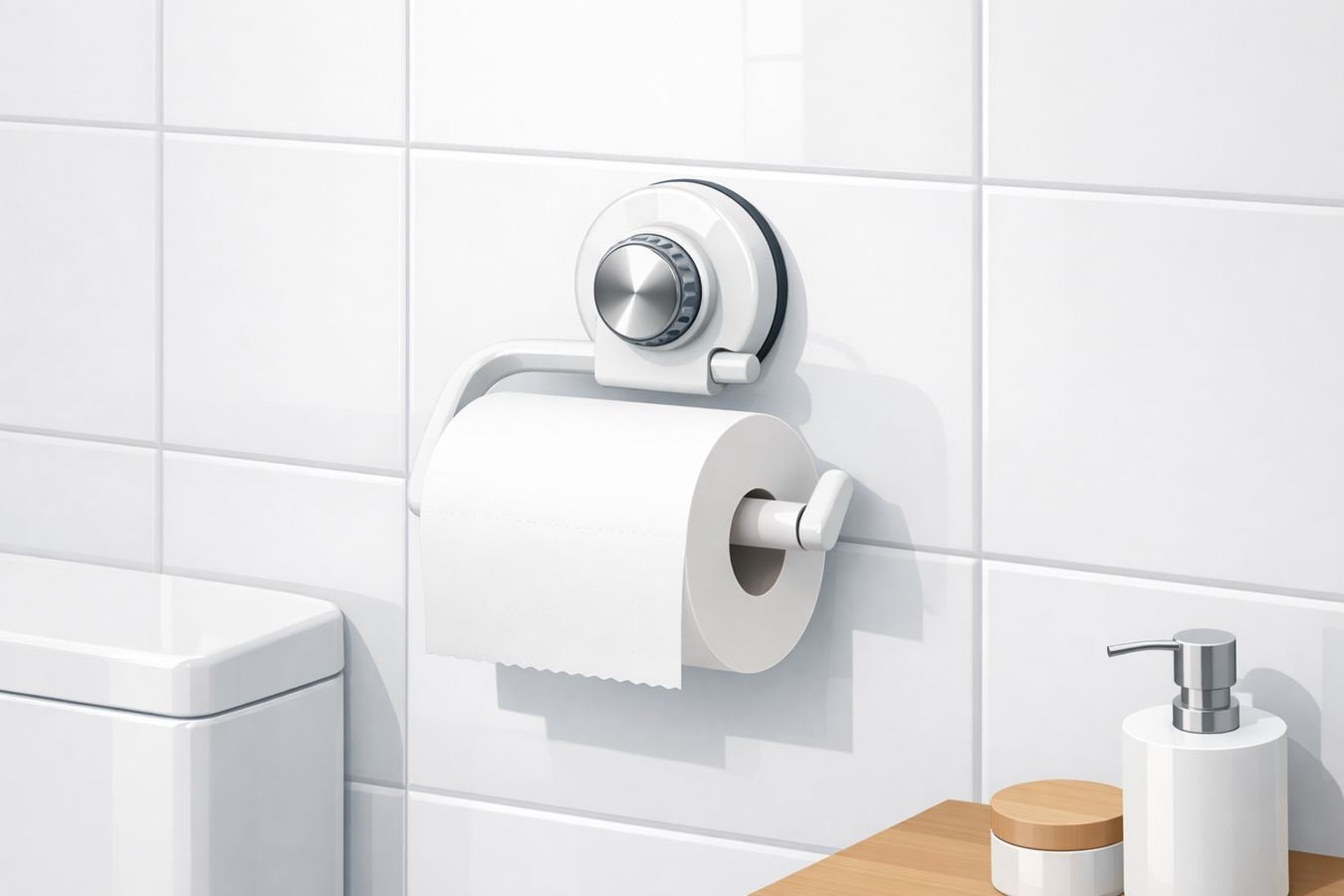
So wählen Sie einen Toilettenpapierhalter mit Saugnapf für den Vertrieb in Großbritannien und der EU aus: Technische Daten, Oberflächen, Verpackung und Gewinnspanne
Wenn Sie in Großbritannien und Europa Badaccessoires vertreiben, mag ein Toilettenpapierhalter mit Saugnapf wie ein “Verkaufsschlager” erscheinen: kein Bohren, mieterfreundlich, schnelle Montage und ein klarer Vorteil für den Verbraucher. In der Praxis kann diese Produktkategorie entweder zu einem schnell drehenden, beschwerdearmen Verkaufsschlager werden – oder zu einem stillen Rückgabeproblem, das die Marge durch Schadensersatzansprüche wegen Bruch, Beschwerden wie “Es ist abgefallen” und negative Bewertungen aufgrund schlechter Oberflächenhaftung schmälert.
Dieser Leitfaden richtet sich an Händler, die die Märkte in Großbritannien, der EU, Deutschland, Frankreich und Spanien bedienen. Er zeigt Ihnen, wie Sie einen Toilettenpapierhalter mit Saugnapf so auswählen, wie es ein Einkäufer tun sollte: indem Sie die Konstruktion des Saugsystems auf die tatsächlichen Oberflächen im Badezimmer abstimmen und anschließend Materialien, Verpackung, Qualitätskontrolle und Warenpräsentation darauf ausrichten, um Rücksendungen zu reduzieren und gleichzeitig die Gewinnspanne zu sichern.
1) Beginnen wir mit der “Rückgabegleichung”: Warum diese Produkte im echten Badezimmer versagen
Bevor Sie SKUs vergleichen, sollten Sie definieren, was “Ausfall” im Zusammenhang mit einem Toilettenpapierhalter mit Saugnapf im Vertrieb bedeutet. Ihren Endkunden interessieren die Belastungswerte aus Laborversuchen nicht – für sie zählt nur, ob der Halter im täglichen Gebrauch fest sitzt.
Typische Faktoren, die die Renditen in dieser Kategorie beeinflussen:
- Ungeeignete Oberfläche: Der Saugnapf haftet nicht auf matten, strukturierten, porösen oder leicht unebenen Oberflächen.
- Verunreinigungen wie Seifenrückstände, Kalk, Silikonspritzer, Reinigungsöle oder Staub verhindern eine luftdichte Abdichtung.
- Wechsel zwischen Feuchtigkeit und Temperatur: Warme Duschen und Abkühlphasen belasten die Saugkante und alle Kunststoff-Verriegelungsteile.
- Dynamische Beanspruchung: Wiederholte seitliche Zugkräfte (Papierreißen), Rollenwechsel und Stöße erzeugen Drehmomente, die sich von denen bei statischen Belastungstests unterscheiden.
- Fehler bei der Verlegung durch den Anwender: Verlegung auf Fugen, in der Nähe von Fliesenkanten, auf leicht gewölbten Flächen oder ohne vollständiges Einrasten der Verriegelung.
Ihr Auswahlziel ist einfach: Wählen Sie Designs, die den realen Oberflächenbedingungen und der tatsächlichen Nutzung standhalten, und sorgen Sie dann mithilfe von Verpackung, Gebrauchsanweisungen und Sortimentsstrategie dafür, dass die Erwartungen im Einklang bleiben.
2) Saugsysteme verstehen: Nicht alle “Saugnapf”-Konstruktionen funktionieren gleich
Ein Toilettenpapierhalter mit Saugnapf nutzt in der Regel eine dieser Befestigungsarten. Als Händler sollten Sie von Ihren Lieferanten Querschnittsfotos und Details zum Mechanismus anfordern – diese sind für die Leistung weitaus ausschlaggebender als die Form des Arms.
A) Einfache Saugbefestigung durch Einpressen (ohne Verriegelung)
So funktioniert es:Der Benutzer drückt auf den Becher, und die Dichtwirkung beruht auf der anfänglichen Kompression.
Vorteile:niedrigste Kosten, möglichst wenige Teile.
Nachteile:Am wenigsten langlebig in feuchten Badezimmern; neigt nach Temperaturwechseln am ehesten zu Defekten; höheres Ausfallrisiko.
Wann es passt:Aktionspreise, stressfreier Einsatz oder als Zweitartikel – jedoch nur, wenn die Oberflächen streng kontrolliert werden (z. B. glänzende Fliesen).
B) Saugvorrichtung mit Hebelverriegelung
So funktioniert es:Ein Hebel erhöht den Druck und hilft dabei, Luft abzulassen.
Vorteile:bessere Handhabung als bei reinen Druckmodellen; intuitiv für Verbraucher.
Nachteile:Hebelscharniere und Verriegelungspunkte können ermüden; bei einer ungünstigen Hebelgeometrie fühlt es sich “blockiert” an, ohne dass eine vollständige Abdichtung erreicht wird.
Was Sie bei Lieferanten erfragen sollten:Material des Hebels (ABS/PA), Dicke des Drehgelenks, Lebensdauertest (z. B. 200–500 Öffnungs-/Schließzyklen) und ob der Hebel über einen formschlüssigen Anschlag verfügt.
C) Vakuumverriegelung mit Drehknopf (Twist-to-Vacuum)
So funktioniert es:Ein Drehknopf treibt einen Kolben oder eine Nocke an, die die Luft aktiv absaugen und so ein stärkeres Vakuum erzeugen.
Vorteile:im Allgemeinen die beste Langzeitleistung; bessere Toleranz gegenüber kleinen Unvollkommenheiten; oft höherer wahrgenommener Wert.
Nachteile:Mehr Komponenten = mehr Qualitätskontrollpunkte; das Drehgefühl spielt eine Rolle (ein körniges Gefühl vermittelt den Eindruck von Billigkeit).
Was Sie bei Lieferanten erfragen sollten:Drehmomentbereich des Einstellrads, rutschfeste Rändelung, Robustheit der Zahnradzähne (falls mit Zahnradantrieb) sowie Vakuumhaltbarkeitstests nach Feuchtigkeitswechselzyklen.
D) “Mikrosaug”-Polster (klebstoffähnliche Silikon-Mikrostruktur)
So funktioniert es:beruht eher auf der Oberflächenhaftung der Mikrostruktur als auf Vakuum.
Vorteile:funktioniert auch auf einigen glatteren, matten Oberflächen, auf denen der Saugnapf versagt; lässt sich leicht neu positionieren.
Nachteile:Die Leistung variiert je nach Zusammensetzung stark; die Empfindlichkeit gegenüber Verunreinigungen kann hoch sein; eine Neupositionierung kann die Haftkraft verringern.
Anmerkung des Vertriebs:Mikrosaugen kann sehr nützlich sein, erfordert jedoch klare Anweisungen auf der Verpackung.
Entscheidungshilfe für den Vertrieb in Großbritannien und der EU: Wenn Sie eine Kern-SKU mit dem geringsten Rückgaberisiko suchen, sollten Sie vorrangig Vakuumverschlüsse mit Drehknopf oder Regler wählen, die aus robustem Kunststoff gefertigt sind und enge Toleranzen aufweisen, ergänzt durch klare Anleitungen zur Oberflächenausrichtung und Montage.
3) Oberflächenverträglichkeit: Erstellen Sie eine “Ampel”-Matrix für Ihren Katalog und Ihre Verpackungen
Die Passform ist der entscheidende Faktor für die Kundenzufriedenheit. Erstellen Sie eine Matrix, die Sie auf Produktseiten und Verpackungen wiederverwenden können.
Beste Oberflächen (Grün)
- Glänzende Keramikfliese
- Glas / Spiegel
- Polierter Stein (geringe Porosität, glatte Oberfläche)
- Glatte, strukturfreie Metallplatten
- High-gloss acrylic panels (flat)
Caution surfaces (Amber)
- Satin/matte tile that is still very smooth (micro-texture is the issue)
- Large-format tiles with slight warping (flatness matters)
- Painted walls if truly smooth and non-porous (often not)
- Smooth waterproof wall panels with slight curvature
Avoid surfaces (Red)
- Textured tile, stone with pores, or “anti-slip” finishes
- Grout lines, tile edges, or cracked glaze
- Wallpaper, plaster, cement, raw wood
- Curved surfaces (unless product explicitly supports curvature with a flexible base)
Distributor action: require suppliers to state “recommended surfaces” and “not recommended surfaces.” If they won’t, you should create the guidance yourself and treat unknowns as “amber/red” to protect margin.
4) Load and torque: specify performance the way bathrooms actually stress a holder
Many suppliers quote static load capacity (e.g., “5 kg”). For a toilet roll holder, the real stress is often:
- Peel force:the suction seal is peeled by torque as paper is pulled.
- Shear force:downward and sideways forces from use.
- Fatigue:repeated small pulls degrade holding over time if the seal is marginal.
Practical distributor specs to request
Ask suppliers for:
- Static shear load (vertical load on a smooth surface)
- Peel/torque resistance (arm length matters; longer arms increase torque)
- Vacuum retention time (e.g., no movement after 72 hours in 90% RH)
- Temperature cycling (e.g., 10–40°C cycles)
- Re-installation performance (remove and reinstall 5 times; holding should remain acceptable)
Arm design matters
- Shorter arm + closer-to-wall roll reduces torque and increases success rate.
- Heavier decorative arms can look premium but increase peel risk if suction is marginal.
- Closed arms (anti-drop) can improve user experience but add weight.
Selection tip: if you sell to mixed-surface housing stock across UK/EU, choose designs that minimize torque (compact arms) unless your suction system is proven strong.
5) Materials and corrosion resistance: build a tier strategy that protects margin
Bathrooms are corrosion accelerators. If your SKU rusts or pits, returns spike and repeat orders drop. You need a simple tier strategy that matches your channel.
A) Stainless steel tiers
- 304 stainless steel:best for humid bathrooms; strong “premium” signal; more stable for European consumers.
- 201 stainless steel:lower cost; can be acceptable with good finishing but higher risk in coastal/hard-water regions.
- 430 stainless steel:magnetic ferritic stainless; can be used for some parts, but rust risk depends heavily on finishing and environment.
Distributor note: If you sell into coastal areas or premium retail, 304 with good brushing/polishing is the safest long-term play.
B) Zinc alloy + plating
Zinc alloy can look premium and feel heavy, but plating quality is everything.
- Ask for plating stack details (nickel/chrome thickness, passivation).
- Ask for salt spray targets and whether tests were done on assembled parts.
C) Plastics in suction mechanisms
Most vacuum lock structures use ABS/PC/PA blends.
- ABS:cost-effective; can be fine but may creep under load and heat over time if not designed well.
- PC/ABS:improved toughness; often better for knobs and locking parts.
- PA (nylon):stronger; can absorb moisture; good for gears if properly designed.
D) Suction cup material
Usually TPE or silicone.
- Silicone:better heat resistance and longer-term elasticity, often better in hot showers.
- TPE:widely used; performance depends on formulation; can harden over time if low-grade.
What to specify:
- Suction cup material type (silicone or high-grade TPE)
- Shore hardness range (supplier should provide)
- Aging performance claims (e.g., no cracking after humidity aging)
Related reading (materials/anti-rust): Chrome vs. Stainless Steel vs. Powder Coating: The Ultimate Anti-Rust Guide.
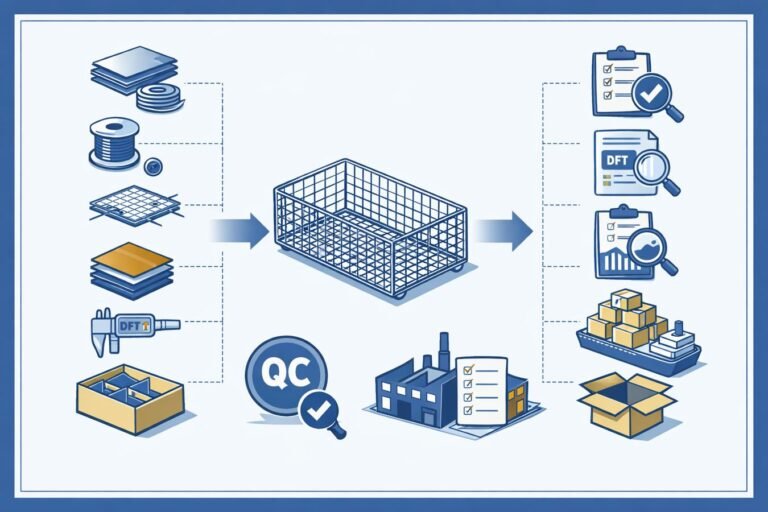
6) Manufacturing and QC: the checklist that prevents “mystery failures”
Even a good design fails if tolerances are loose. For distributors, QC is margin insurance.
Critical-to-quality checkpoints (CTQs)
Suction cup
- Edge lip: no nicks, flashing, deformation, or uneven thickness
- Flatness: cup must sit flush without warping
- Cleanliness: no oil contamination from molding release agents
Lock mechanism
- Smooth engagement: no grinding feel
- Positive stop: clear locked/unlocked positions
- Tooth/gear integrity: no chipping or incomplete molding
- Cycle test: open/close multiple times without loosening
Body + arm
- Alignment: arm must be perpendicular and stable (wobble leads to peel force)
- Surface finish: no sharp edges, no plating pits, no brushing streaks
- Corrosion protection: verify coating consistency on hidden areas too
Assembly
- Correct gasket placement (if used)
- Screw torque control (over-torque cracks plastics; under-torque causes wobble)
- Accessory completeness (spares, caps, instructions)
Suggested distributor acceptance tests (simple, repeatable)
- Surface seal test on glass and glossy tile: mount, lock, wait 1 hour, apply controlled pull/torque.
- Humidity test: 24–72 hours in a humid environment; check slipping.
- Carton drop test: retail pack drop from standard heights; check mechanism damage and scuffs.
- Reinstall test: remove/reinstall 3–5 times; check if vacuum remains stable.
For a broader OEM verification approach, see: How to Choose a Bathroom Accessories Supplier (OEM).
7) Packaging that reduces returns: what to print, what to include, and how to structure info
Packaging is not just branding—it’s a returns-control tool. The most profitable distributors treat packaging as a “silent salesperson” that sets correct expectations and improves installation success.
A) On-pack essentials (front or side panel)
- “No-drill / tool-free installation” (if true)
- Recommended surfaces icons (glass, glossy tile, etc.)
- Not recommended surfaces icons (textured tile, grout)
- Max roll size guidance (if relevant) and holder type (standard roll / jumbo compatibility)
B) Inside the box: include what prevents failure
- Multi-language quick-start guide (at least EN + relevant EU languages depending on channel)
- Cleaning prep instruction (wipe with alcohol, dry fully)
- Step-by-step lock instructions with clear visuals
- Maintenance note (re-tighten dial if needed, periodic cleaning)
C) Returns-reduction copy that works
Include a short “Before you install” checklist:
- Surface must be smooth, clean, dry
- Do not install on grout lines
- Press firmly + fully lock the mechanism
- Wait X hours before heavy use (if recommended by supplier)
If you distribute in multiple countries, consider language variants: UK: EN only may be sufficient for some channels, but EU marketplaces often benefit from multi-language inserts. EU: DE/FR/ES language inserts reduce customer confusion and reviews.
D) Retail packaging engineering
For wholesale distribution, packaging must survive mixed-case handling, parcel shipping for e-commerce clients, and shelf friction and stacking in stores.
Ask suppliers for:
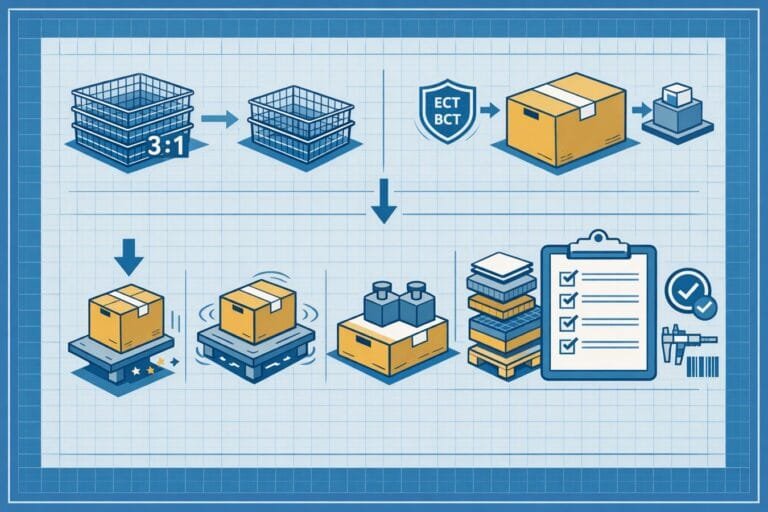
- Carton specs (ECT/BCT or equivalent)
- Preventive inner protection around the dial/lever
- Barcode placement and label space
8) Build margin with a tiered assortment: good / better / best
Suction cup toilet roll holders sell best when you offer a clear ladder that matches different retail formats and price points.
Tier 1: Value (high volume, controlled claims)
- Lever-lock or decent press-lock designs
- ABS + stainless-look finishes
- Strict surface guidance on packaging
Margin play:lower COGS, higher velocity; avoid risky surfaces by clear instructions.
Tier 2: Core (lowest return risk)
- Dial/knob vacuum lock
- 304 stainless arm or robust plated body
- Better sealing lip material (prefer silicone or proven TPE)
Margin play:“recommended SKU” positioning; less returns improves net margin.
Tier 3: Premium (upsell + brand positioning)
- 304 stainless + premium finishes (brushed, matte black with robust coating)
- Heavier body, anti-drop features, refined dial feel
- Giftable packaging for retail
Margin play:higher MSRP; bundle value-adds to justify price.
9) Bundle strategy: increase AOV and reduce complaints with smart accessories
Bundles can raise average selling price and reduce installation-related failure.
High-impact bundle add-ons:
- Spare suction cup (low cost, high perceived value)
- Surface prep wipes (alcohol wipe)
- Small positioning guide (helps avoid grout lines)
- Alternative mount adapter (only if product supports it; avoid overcomplication)
Bundle positioning ideas:
- “Starter kit” for renters
- “Bathroom refresh kit” including towel hook + toilet roll holder
- “Family pack” (2-pack) for multi-bathroom households
Distributor benefit: better shelf story, higher margin per transaction, fewer “missing accessory” complaints.
10) Compliance and documentation: what distributors should request and keep on file
While a suction cup toilet roll holder is not an electrical product, EU/UK distribution still benefits from clean documentation and material declarations—especially for larger retailers and marketplace compliance checks.
Ask suppliers for:
- Material declarations for key components (metals, plastics, suction material)
- REACH / SVHC statements if applicable to coatings/plastics (retailer requirement varies)
- RoHS may be requested by some clients even if not strictly required for non-electrical items—be ready with a clear statement if asked
- Country of origin and HS code support for customs paperwork
- Care instructions and warnings (surface limitations) in relevant languages for your channel
Operational tip: keep a shared compliance folder per SKU. It speeds up onboarding with new retailers and reduces “paperwork friction.”
11) MOQ, lead time, and risk control: how to buy like a distributor (not like a one-off importer)
A) MOQ strategy
For a multi-market distributor, aim for:
- One core SKU at scale (lowest return risk)
- 1–2 complementary SKUs at smaller MOQs (value/premium)
- Standardized packaging sizes to simplify warehousing
Ask if suppliers can:
- Hold shared components (same suction base across multiple designs)
- Support mixed-SKU cartons while keeping factory efficiency
- Provide neutral packaging for private label over-stickers if needed
B) Lead time strategy
Lead time in this category depends heavily on plating/finishing queues, packaging print time (especially multi-language), and suction cup molding capacity.
To reduce risk:
- Lock down packaging early
- Standardize instruction templates
- Request pilot lot photos and pre-shipment inspection
C) Change control
Any small change can break performance (new TPE formulation, different dial plastic, altered gasket). Require suppliers to notify you of material/process changes, keep a golden sample, and provide retention samples per batch.
12) Logistics and packaging efficiency: protect profit from factory to warehouse
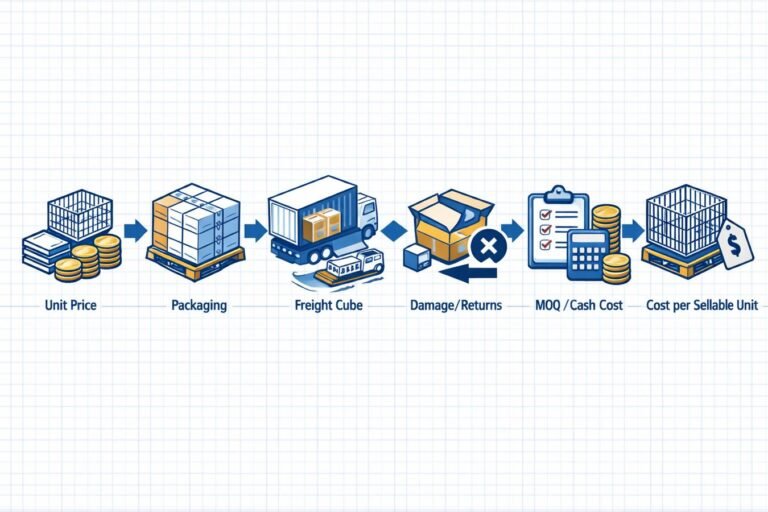
Suction cup toilet roll holders can be margin-positive or margin-negative depending on carton efficiency and damage rate.
Key logistics considerations:
A) Carton and pallet optimization
- Avoid oversized retail boxes that waste cube.
- Choose packaging that protects the dial/lever without excessive void space.
- Request carton packing plans: units per carton, carton dimensions, gross weight.
B) Damage prevention in transit
Common damage modes:
- Dial/lever snapping due to impact
- Cosmetic scratching of metal finishes
- Suction cup deformation if compressed incorrectly
Mitigations:
- Inner trays or protective sleeves for metal finishes
- Dial protection zones in the pack
- Do not store suction cups under constant deformation for long periods
C) Warehouse handling
For distributor warehouses:
- Ensure barcode and product ID visibility
- Standardize carton labels (SKU, finish, language variant)
- Use consistent master carton counts to simplify picking
13) A distributor-ready selection checklist (copy/paste for your buying process)
Use this checklist when comparing suppliers or SKUs:
Product performance
- Suction system type identified (press / lever / dial vacuum / micro-suction)
- Recommended vs not recommended surfaces clearly defined
- Torque/peel resistance considered (arm length, weight)
- Vacuum retention tested in humid conditions
- Reinstall performance validated (3–5 cycles)
Materials & durability
- Material tier defined (304/201/430, zinc alloy, plastics)
- Suction cup material declared (silicone or high-grade TPE)
- Finish durability claims supported (salt spray or equivalent)
- No sharp edges; safe for household handling
Packaging & returns control
- Surface compatibility icons on pack
- Clear installation steps (EN + needed EU languages)
- “Do not install on grout/textured surfaces” included
- Damage-resistant packaging for dial/lever
QC & supplier controls
- CTQ checklist agreed (suction lip, mechanism, alignment, finish)
- Pre-shipment inspection plan defined
- Change control process agreed
- Golden sample retained
Commercials & logistics
- MOQ supports your tiered assortment
- Lead time confirmed with packaging included
- Carton dimensions and pallet plan optimized
- Claims/returns policy aligned (spares availability, replacement suction cups)
14) Practical assortment recommendation for UK/EU/DE/FR/ES distributors
If you want a simple, high-success launch plan:
- Core SKU (best seller):Dial/knob vacuum lock, compact arm, 304 stainless or durable plated body, strong surface guidance, multi-language insert for EU channels.
- Value SKU (volume driver):Lever-lock design with strict “green surface only” guidance, simpler packaging, ideal for promo displays or entry-level retail.
- Premium SKU (upsell + brand positioning):304 stainless with premium finish, refined dial feel, anti-drop arm, premium packaging; optionally bundle a spare suction cup.
If you also sell fixed-mount holders, you may want to standardize dimensions across the category. See: What Is the Standard Toilet Paper Holder Height: (EU Specs).
15) What to request from suppliers (email-ready document list)
Ask for:
- Product drawings + key dimensions (arm length, base diameter)
- Mechanism detail photos/videos (lock engagement)
- Material list (metal grade, plastic types, suction material)
- Test evidence: vacuum retention, humidity cycling, reinstall cycles
- Packaging dielines + language options (EN/DE/FR/ES as needed)
- Carton packing plan + palletization suggestion
- QC checklist and pre-shipment inspection support
Final takeaway: choose “surface success” first, then engineer margin
For UK and EU distribution, your best suction cup toilet roll holder is not the cheapest or the most decorative—it’s the one that succeeds on the widest range of real bathroom surfaces with the least user error. Start by choosing the right suction system and surface guidance, then reinforce success through packaging, QC, and a tiered assortment that protects net margin after returns.
If you want, you can turn this into a repeatable buying standard: one surface matrix, one QC sheet, one packaging template, and a three-tier SKU ladder. That’s how a “simple no-drill item” becomes a reliable, scalable category in your distribution portfolio.
Simon, Experte für Beschaffung
Sind Sie bereit, Ihre Lieferkette zu optimieren:
Stop paying for defects. The market is moving towards precision manufacturing and reliable quality. Partner with Koitor Hardware for high-margin, automated metal wire solutions.
Katalog 2025 anfordern OEM-Projekt starten
E-Mail: simon@koitorhardware.com | Werk: Jiangmen, China
Senden Sie Koitor Ihre Zeichnung, ein Musterfoto, eine Referenz zur Oberflächenbeschaffenheit, die gewünschte Stückzahl und den Zielmarkt.
OEM / EIGENE MARKE
Verwandeln Sie diesen Beschaffungsleitfaden in ein Produktdossier
Teilen Sie uns Ihr Zielprodukt, die Größe, die Oberflächenausführung, die Bestellmenge und Ihre Verpackungsanforderungen mit. Ihr Team erhält vor der Angebotserstellung eine praxisorientierte Prüfung der Herstellbarkeit.
 English
  Español
  Português
  Français
  Deutsch
  العربية