
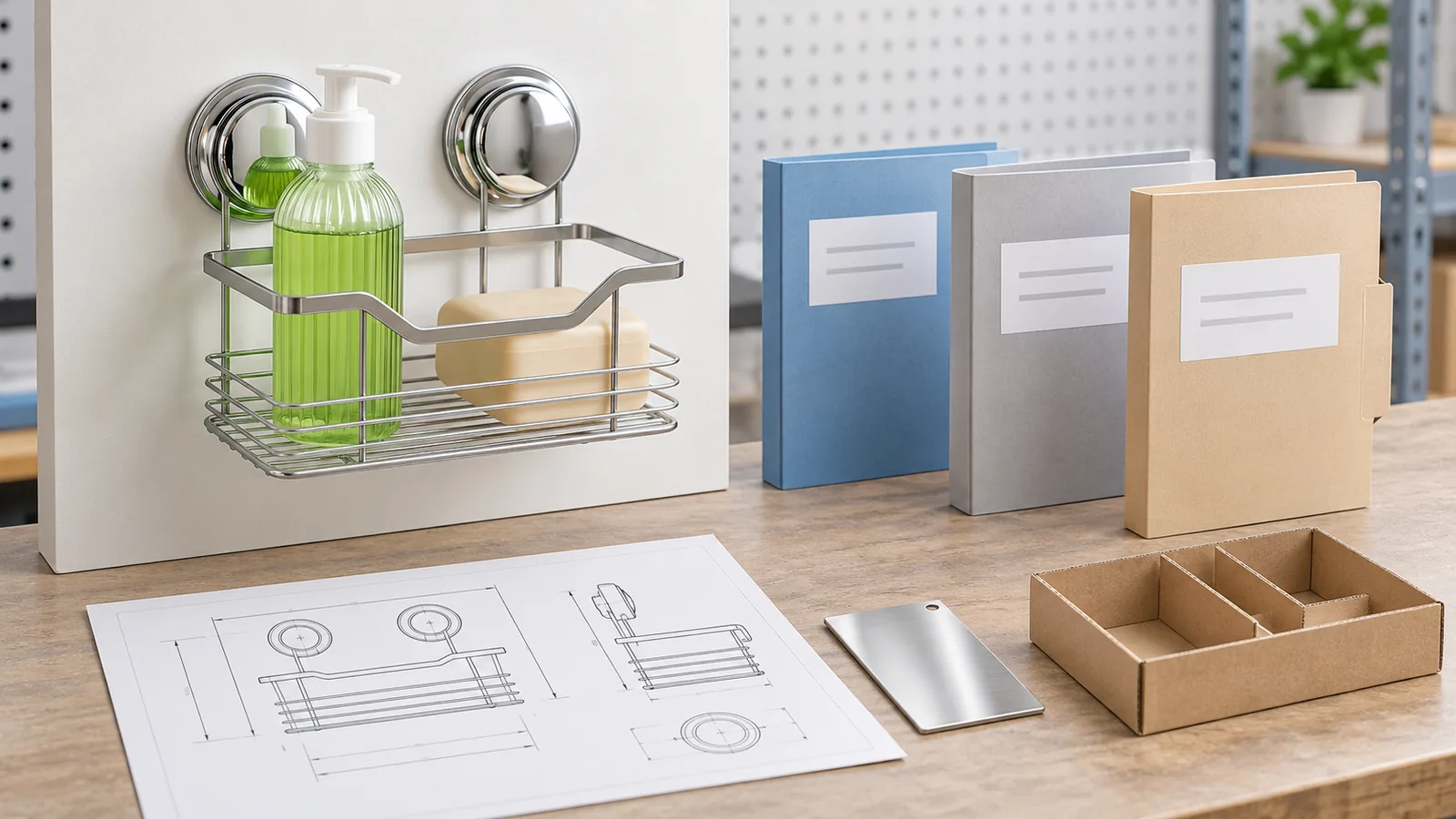
To compare OEM metal hardware quotes fairly, first make every supplier price the same product, order quantity, finish, packing method, inspection scope, and delivery basis. A lower unit figure is not directly comparable when one quote excludes tooling, sample work, individual retail packing, or a required finish. Build a like-for-like matrix, mark missing information as “not stated,” and resolve differences before ranking offers. This guide shows importers how to normalize technical assumptions and commercial terms before supplier award.
This short video shows the product or manufacturing context discussed in this guide.
Why can two OEM metal hardware quotes look far apart?
Two supplier quotations can differ because they describe different scopes, not because one factory is necessarily more efficient. A price may assume another drawing revision, wire diameter, component count, finish route, order quantity, carton configuration, or shipping term. Until these assumptions are visible, the unit-price column is an incomplete comparison.
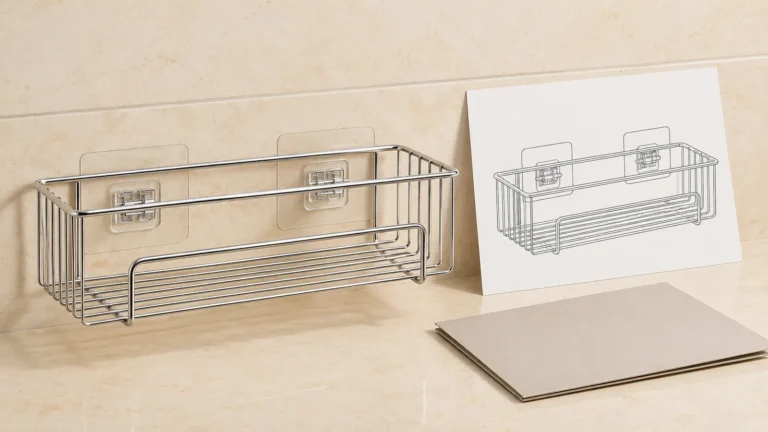
For bathroom hardware such as a towel rack, shower caddy, wall basket, or tissue holder, small design details affect material use and processing. A revised basket depth, an additional support wire, a different mounting component, or a finish change can alter operations and packing needs. Requestors should therefore compare the exact approved drawing and its revision, not just a product name or reference photo.
Procurement discussions frequently describe the practical headache: responses arrive in different formats, assumptions are buried in emails, and freight or packing may appear in one offer but not another. These forum examples identify a buyer problem; they do not establish how common it is or prove that a particular supplier is at fault. The remedy is a controlled comparison sheet that separates technical equivalence from commercial terms.
What must be identical before comparing supplier prices?
Before comparing the amount, establish a shared technical and order baseline. If an input cannot yet be fixed, label it as an open assumption and ask each supplier to price the same alternative scenarios.
| Comparison field | What to align | What to record when it differs |
|---|---|---|
| Definición del producto | Drawing number, revision, dimensions, components and quantity per set | Separate revision or deviation; do not treat as equivalent |
| Material | Buyer specification, grade if specified, wire/tube/sheet dimensions | Supplier-proposed substitute and evidence requested |
| Finalizar | Finish type, color/reference, visible zones and sample status | Included process, sample approval condition or extra option |
| Quantity | Units per SKU, order total and price tier | Each tier and its minimum; do not compare different tiers as one price |
| Development | Sample charge, fixture/tooling, setup and ownership/return terms | One-time charge, recurring charge or not stated |
| Embalaje | Unit protection, retail box, inner/master carton, labels and inserts | Included/excluded items and packing level |
| Inspección | Agreed checks, sample basis, records and acceptance criteria | Included scope, third-party cost if any, or buyer-arranged |
| Delivery basis | Incoterm and named place, shipment mode and lead-time assumptions | Exclusions, estimated versus confirmed items |
Keep the original quotation attached to the normalized sheet. A normalized view should clarify differences, not rewrite supplier commitments or silently fill gaps.
How should buyers normalize technical scope?
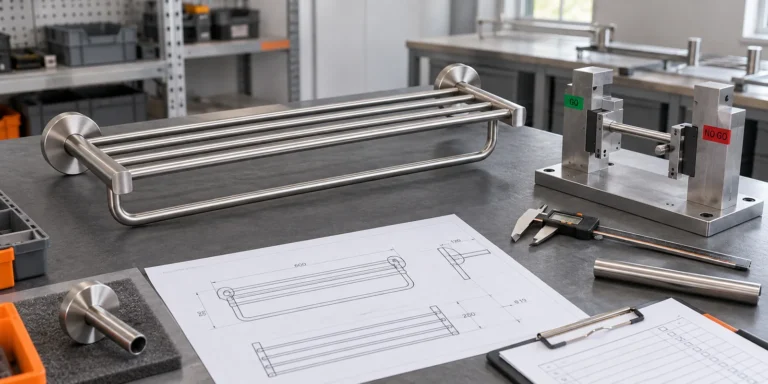
Use the same controlled product package for every supplier: the latest drawing, revision history, bill of materials or component list where available, finish reference, packaging concept, and clear order quantity. Ask each supplier to confirm compliance line by line and list exceptions explicitly.
For wire baskets and racks, identify major geometry and connection details that define the offer: overall dimensions, wire or tube sizes if known, number and placement of supports, joints, mounting method, and any hooks or removable parts. A photograph can help communicate appearance, but it may not show dimensions, hidden joints, grade, tolerances, or finish requirements. Treat unclear items as questions rather than inferred specifications.
Then separate “complies,” “deviation,” and “not stated.” A deviation is not automatically unacceptable; it is a decision requiring review. For example, a supplier may propose a different material or packing method. Record the proposal, its reason, buyer acceptance status, and the applicable sample or drawing revision. Never score an unresolved deviation as though it were a confirmed match.
How should buyers normalize commercial scope?
Once the product basis matches, align order economics and included services. Ask suppliers to provide the same quantity tiers, currency, payment assumptions, quote validity, sample quantity, tooling/setup treatment, packaging levels, lead-time basis, and delivery term. If a term is not yet selected, request the same alternative scenario from each bidder.
When you compare OEM metal hardware quotes, label every figure as supplier-confirmed, buyer-estimated, or still unknown. That distinction lets a reviewer separate confirmed savings from a total that depends on a missing assumption.
Do not add unknown costs as zero. Use three distinct states: quoted value, buyer estimate, and unknown/not included. This avoids a false total and makes it clear what remains to be confirmed. A landed-cost model may include product, packing, freight, insurance, duties, taxes, brokerage, and local handling depending on the buyer’s route and commercial terms. The quotation comparison should identify which values are supplier-provided and which require the importer’s own logistics or customs review; it should not present an incomplete sum as a guaranteed landed cost.
| Cost or term | Supplier quote should state | Buyer comparison action |
|---|---|---|
| Unit price | Currency, quantity tier and unit basis | Compare only at the same tier and set definition |
| Sample/development | Sample quantity, charge and timing | Separate approval samples from bulk price |
| Tooling/setup | What is included, charged once, or excluded | Record ownership and future-use terms separately |
| Embalaje | Specific unit and export packing components | Confirm protection and label requirements |
| Freight basis | Incoterm, named place and shipment assumptions | Obtain like-for-like logistics estimates if required |
| Plazo de entrega | Start point and dependency, such as drawing/sample approval | Compare the same milestone and calendar assumption |
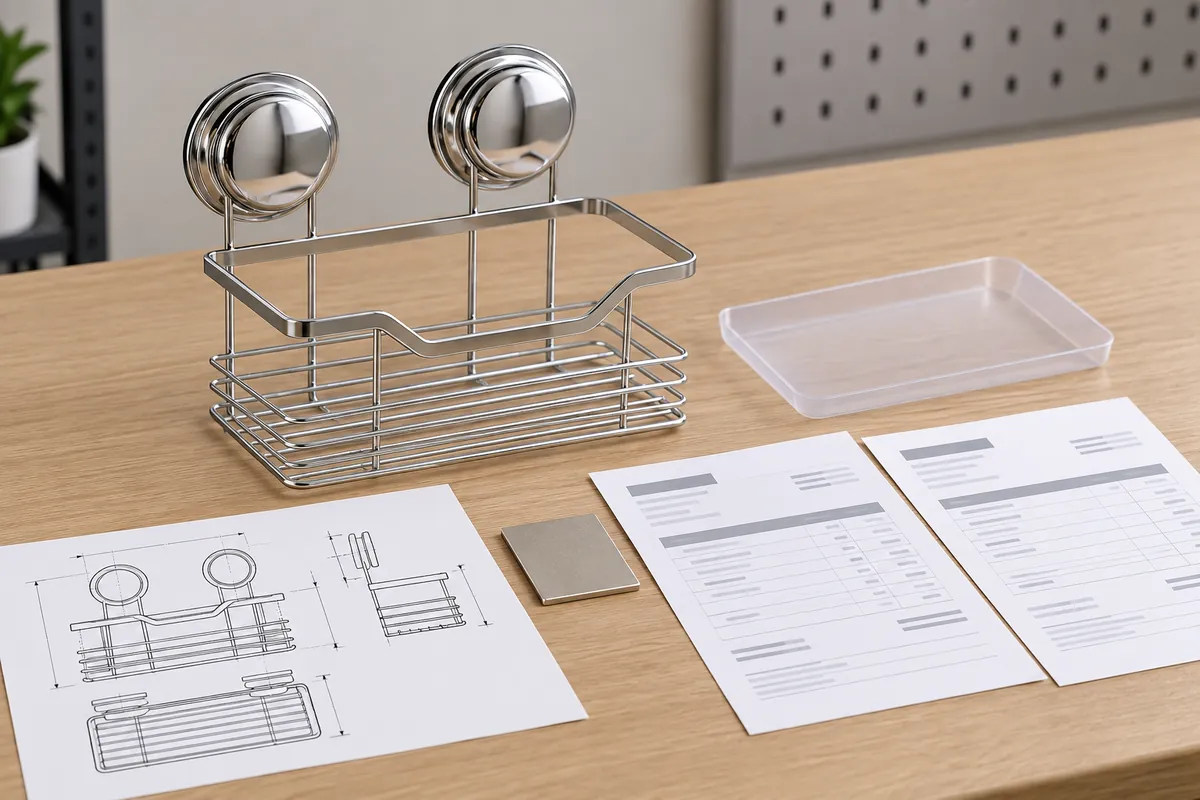
How can a buyer rank offers without overvaluing the lowest unit price?
Use a staged decision rather than one blended score. First determine whether the supplier has priced the required product. Next compare commercial terms. Then assess evidence and risk, including sample conformity, finish approval, production communication, inspection alignment, packaging, and change handling. A supplier with a higher comparable price may still be a better fit if the lower offer leaves material assumptions unresolved—but the buyer should document that rationale rather than assume.
An effective process looks like this:
- 1. Freeze the RFQ revision and identify every SKU and order quantity.
- 2. Normalize each response into identical technical fields.
- 3. List deviations, exclusions, and unanswered questions separately.
- 4. Request revised or scenario-based quotations for material differences.
- 5. Compare price tiers and one-time charges on the same basis.
- 6. Review sample, finish, packing, inspection and delivery evidence.
- 7. Record the award decision, approved exceptions and next approval gate.
The comparison is useful only if the next purchase order can refer back to the chosen basis. Keep the accepted drawing revision, finish/sample reference, packing specification, quantity tier, and written exceptions together. That creates a traceable commercial decision without claiming that a spreadsheet alone proves product quality.
How should the comparison sheet support a clear supplier decision?
Keep the comparison sheet short enough to maintain and detailed enough to preserve the decision. A practical workbook can use one row per supplier and a separate section for each type of evidence. Do not hide technical exceptions in a comments cell at the far right; show them next to the relevant specification. Add a source field that points to the original quotation page, email date, drawing version, or sample record so a reviewer can follow the conclusion back to its evidence.
Use a simple status vocabulary consistently. “Confirmed” means the supplier expressly accepted the stated basis. “Deviation” means the supplier proposed a different basis and the buyer has not necessarily approved it. “Not stated” indicates that the answer is absent. “Buyer estimate” distinguishes the importer’s planning assumption from a supplier commitment. These labels make a review meeting more efficient because unresolved matters remain visible instead of being mistaken for agreement.
Before making a final recommendation, ask a second reviewer to check a few high-impact fields: product revision, order quantity, finish, packaging level, and delivery term. This is particularly useful when quotes have been copied into a spreadsheet by different team members or translated between formats. Confirm any correction with the supplier in writing. An internal normalization sheet is a comparison aid, not a substitute for a corrected offer or purchase-order confirmation.
The record should also state why the selected offer fits the project. The explanation might refer to technical conformity, approved exceptions, communication needs, sample status, price at the relevant tier, and packaging readiness. It should not imply certainty about future quality solely from a quotation review. Preserve the decision date and approval owner, then carry the accepted basis into the sample approval and PO controls.
Which quote-comparison mistakes create false savings?
The most common mistake is ranking headline prices while the suppliers have priced different products or quantities. Another is treating an omitted line as included at no cost. Missing tooling, packing, sample, freight, inspection, or labeling information should remain visible until clarified.
Other avoidable errors include mixing currencies without recording the conversion date and source; comparing a confirmed lead time with an estimate that begins after a different milestone; and accepting a substitute finish based only on a screen image. For metal bathroom accessories, finish appearance is best controlled through a physical reference and explicit viewing/acceptance conditions where relevant. Do not confuse a polished appearance with proof of substrate or corrosion performance.
Buyers should also resist false precision. A weighted score can help organize judgment, but assigning decimals to uncertain information does not make it reliable. If a required criterion is unknown, show the uncertainty and pause the ranking until the supplier responds or the buyer accepts a defined exception.
What should the buyer checklist include before supplier award?
Use this compact checklist before selecting an OEM supplier:
- – [ ] Same product drawing, revision, component definition and SKU scope?
- – [ ] Material and dimensions aligned, with substitutions disclosed?
- – [ ] Finish route and approval reference stated consistently?
- – [ ] Same quantity tiers and unit basis compared?
- – [ ] Sample, tooling, setup, and ownership terms separated?
- – [ ] Packaging level, labels, inserts and carton assumptions listed?
- – [ ] Inspection criteria and records distinguished from optional testing?
- – [ ] Incoterm, named place, lead-time trigger and quote validity aligned?
- – [ ] Unknown costs and exceptions clearly marked rather than entered as zero?
- – [ ] Award basis and approved deviations linked to the purchase-order record?
If the list is incomplete, the next step is not necessarily to reject a supplier. It may be to issue a clarification round with the same questions to each shortlisted company. Keep the comparison neutral and give each supplier a fair opportunity to confirm scope.
For an importer preparing a supplier award, compare OEM metal hardware quotes using documented assumptions and unresolved items. The worksheet does not guarantee final product quality; it gives the buyer a consistent basis for sample approval, purchase-order release, and follow-up questions.
For a project involving several related SKUs, first normalize the shared family assumptions and then list each variant’s differences. This avoids asking suppliers to repeat identical answers while retaining visibility of dimensions, mounting options, colors, or packaging that vary. Make sure a family-level answer does not accidentally replace a SKU-specific requirement. Record which lines use common components and which require their own drawing, sample, or price tier.
It can also help to distinguish decision gates from scoring criteria. A gate is a requirement that must be resolved before award, such as a mandatory customer specification or an unapproved product deviation. A scoring criterion helps compare acceptable alternatives, such as responsiveness or the fit of a proposed packout. A high score should not compensate for a failed gate unless the buyer has authority to approve an exception and does so explicitly.
Finally, treat quote validity and timing as part of the decision record. A quotation may expire before sample approval or purchase order placement. Ask whether material, currency, quantity, or freight assumptions could change after validity ends. Capture any confirmed update and use the current version for award. Avoid copying a past quote into a later order without checking that the same scope and assumptions still apply.
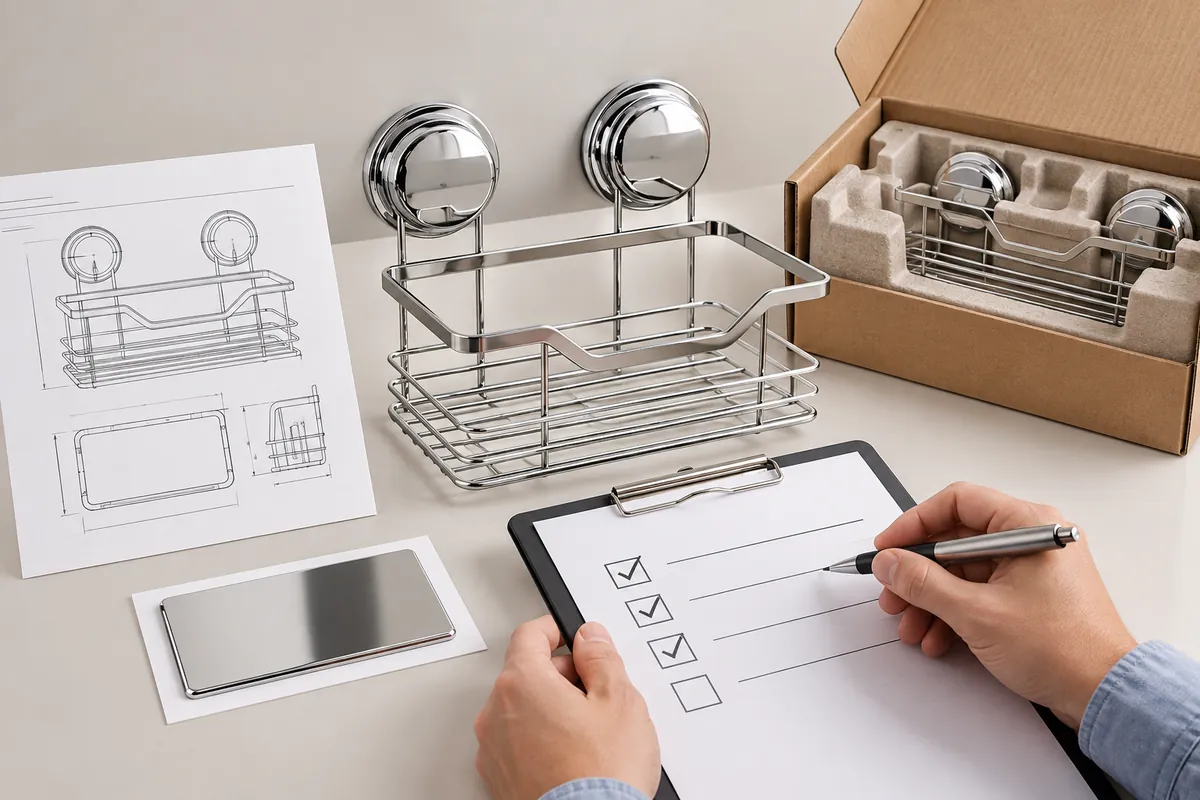
Frequently asked questions about comparing OEM quotations
Should the lowest quote always win?
No. First confirm that the offers cover the same technical and commercial scope. Then compare price alongside sample evidence, deviations, packing, timing, and other buyer requirements. An unresolved low price is not a confirmed saving.
How do I compare suppliers when one has not quoted packaging?
Record packaging as excluded or not stated and request a comparable option from each supplier. Do not assume a zero cost or compare a packaged price with a product-only price.
Should tooling and samples be included in unit price?
Keep one-time development costs separate from recurring unit price, unless the buyer specifically asks for amortization across a defined quantity. Record what the charge covers, who owns any tooling, and what future use or maintenance terms apply.
Can I compare quotations based on a product photo?
A photo is useful for visual reference but rarely defines all dimensions, material, joint, finish, tolerance, or packing details. Use a controlled drawing/specification and list any unknowns before award.
What if suppliers propose different materials or finishes?
Treat each proposal as a deviation and evaluate it against the buyer’s intended use, specification, sample and evidence requirements. Obtain approval in writing before the deviation becomes the production basis.
Compare Your Bathroom Hardware RFQ on Equal Scope
Share the drawing revision, finish reference, target quantity and packing needs when requesting a custom bathroom hardware quotation. Koitor Hardware can review the manufacturing scope for OEM bathroom and home storage hardware.
OEM / MARCA BLANCA
Convierte esta guía de abastecimiento en un resumen del producto
Indícanos el producto que deseas, el tamaño, el acabado, la cantidad del pedido y los requisitos de embalaje. Tu equipo recibirá un análisis práctico de la viabilidad de fabricación antes de recibir el presupuesto.
 English
  Español
  Português
  Français
  Deutsch
  العربية