
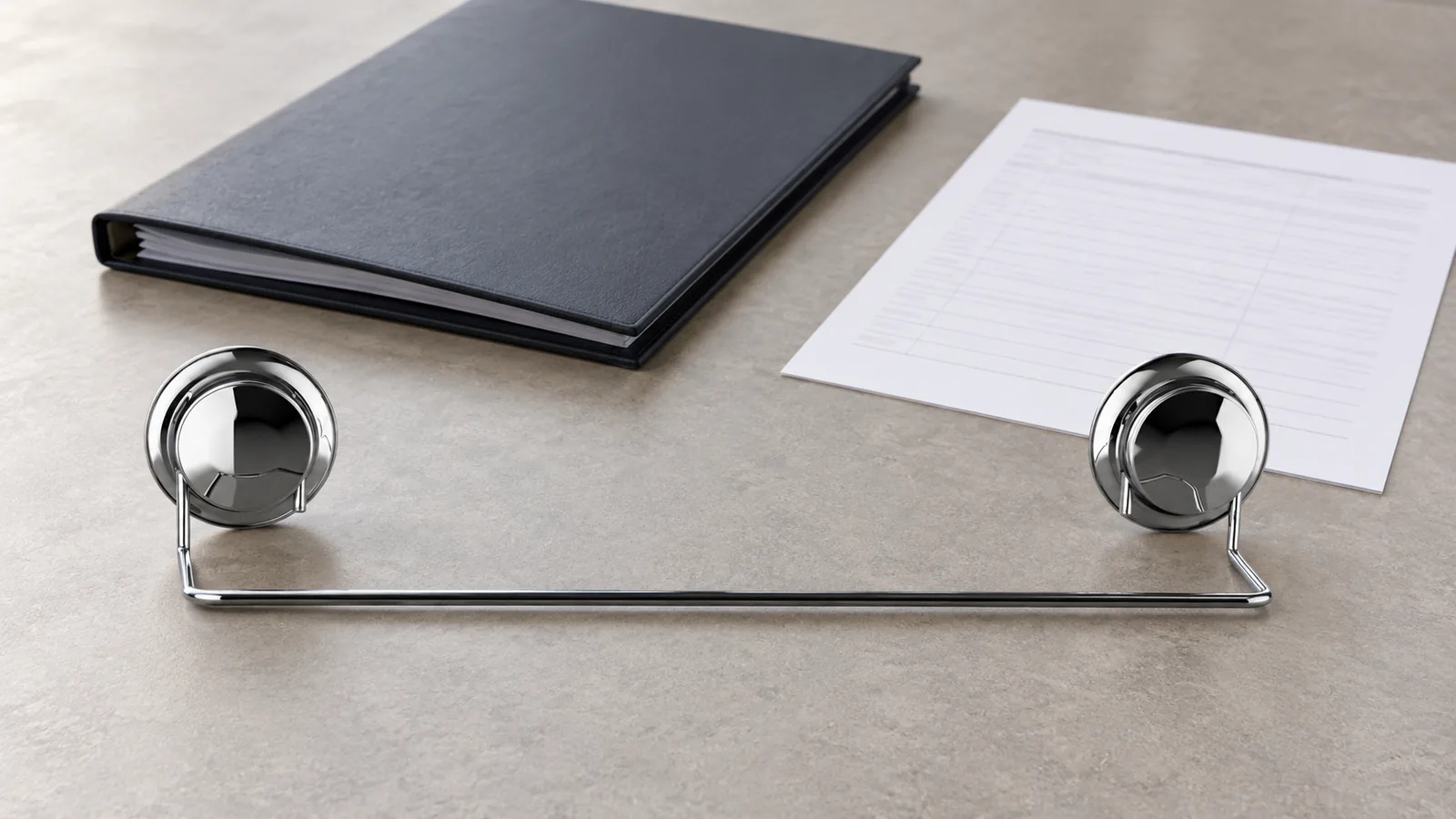
A buyer should request toilet accessories maintenance data that identifies the approved product and finish, points to the current manufacturer-issued care instructions, and records any relevant warranty or service reference before the facility operator takes over. The handover pack should match each document to the product model, revision and project location, not rely on one generic file for every item. Exact closeout requirements come from the contract and project documents; no single checklist applies to every installation.
Why Does Maintenance Handover Need to Match the Approved Product?
A closeout manual is useful only when an operator can tell which instruction belongs to which installed accessory. Product names can be similar while their materials, finishes, moving parts, mounting details or care restrictions differ. A generic washroom manual may therefore be too broad to support a specific replacement or surface-care decision.
The buyer’s task is not to invent cleaning instructions. It is to collect the product-specific information that the responsible manufacturer or supplier has issued, confirm that it matches the approved item, and transfer it in a usable format. For a metal towel rail, shelf, holder or basket, the finish may determine which care document applies. A powered dispenser, mirror with electrical features, plumbing product or other system may require a separate manual and service route.
Treat toilet accessories maintenance data as a traceable product record, not as a single generic cleaning sheet for every item in a project.
Project documents show how this information can enter the closeout process. For example, the Twin Rivers USD 2026 Restroom & Lounge Refresh project manual, Section 102800 requests maintenance data for toilet and bath accessories to be included in maintenance manuals. That is a requirement in this specific project document, not a universal rule or a statement of law. Other projects may specify different deliverables, formats, recipients or deadlines.
Closeout also differs from pre-approval submittals. Before approval, the project team checks proposed models, finishes, samples and room schedules. At handover, the team confirms what was actually approved and installed, then connects that record to current care and service documents. The commercial washroom accessory submittal checklist covers the earlier coordination stage; this article focuses on the later transfer to operations.
Which Product-Specific Documents Should Buyers Request?
Ask each responsible supplier for the documents that apply to the approved product, and record which items are not applicable or unavailable. Depending on the contract and product type, the closeout set may include:
- A current care and maintenance guide for the exact material and finish.
- Cleaning cautions or prohibited methods issued by the product manufacturer.
- The approved product data sheet, model identifier, finish code and relevant revision.
- Installation or adjustment instructions when the project requires them for continued servicing.
- The applicable warranty document, with its stated term and claim contact kept intact.
- A service or parts manual when one exists for that model.
- Replacement-part identifiers and confirmed ordering references, if the manufacturer supplies them.
- Product-specific safety or electrical instructions for equipment that contains powered components.
- The supplier or manufacturer contact responsible for clarifying the document set.
- A document issue date or revision so the operator can distinguish the handed-over version from an older file.
Do not assume every accessory has all of these documents. Some products may have only a care sheet and product data; others may need a detailed service manual. A blank or “not provided” field should prompt the buyer to confirm whether the item is unavailable, not applicable, still pending, or supplied by another party. These statuses mean different things and should not be merged into a vague “complete” check box.
The document request should also name the intended recipient and handover format. A facilities team might receive searchable PDFs in an operation and maintenance folder, while the owner’s project system may require a particular naming convention or closeout portal. Follow the project’s agreed process rather than assuming an email attachment is sufficient.
For a buyer working with a China OEM manufacturer, identify which product and finish records the supplier controls and which care guides or warranty terms must come from another responsible brand or product manufacturer. Koitor Hardware is a family-owned custom metal hardware manufacturer; buyers can discuss drawings, samples, finish references and packaging records in an OEM project conversation. That does not mean Koitor provides a commercial washroom maintenance manual or service-parts program. Request those documents from the manufacturer responsible for the specific approved item.
How Can Buyers Match Each Document to the Approved Accessory?
Use a closeout register that ties one installed or approved item to its actual documentation. A useful record starts with the product schedule or purchase-order identifier, then captures the model, finish and revision that the project accepted. Add a document title, version or issue date, source and status so a future operator can find the right instruction without guessing.
| Closeout field | What the buyer records | Por qué es importante |
|---|---|---|
| Project and location | Project name, room or zone, and schedule reference | Connects the document to the installed context |
| Product identity | Buyer SKU, manufacturer model and product description | Separates similar accessories and related options |
| Approved configuration | Drawing or submittal revision, selected options and approved deviations | Shows which configuration the closeout record represents |
| Material y acabado | Supplier-stated material and finish code or description | Helps select the manufacturer’s relevant care guide |
| Care document | Exact file title, revision/date, issuing source and storage location | Prevents a generic or obsolete guide from being attached |
| Warranty/service reference | Document name, model coverage and contact or portal, if applicable | Preserves the source and terms without paraphrasing them |
| Status and owner | Received, confirmed, pending, not applicable; responsible party and due date | Makes unresolved closeout items visible |
For a mixed schedule, create one row per model and finish when the care guidance could differ. If the same manufacturer document explicitly covers several listed models, note that scope instead of copying the file into every row without explanation. If a substitute was approved, retain the final approved model and revision as the key; do not attach the proposed product’s guide simply because it was the first submittal.
A buyer can also connect the closeout register to earlier records without duplicating them. The approved submittal, sample approval, purchase order, delivery record and installation schedule may each use different identifiers. Record the cross-reference that lets the operator or project administrator follow that chain. When a field cannot be verified, mark it as unresolved and identify who will close it.

What Should the Care and Finish Information Explain?
The manufacturer-issued guide should tell the operator what product or product family it covers and what maintenance methods, materials or precautions the manufacturer recommends. Buyers should transfer those instructions accurately instead of summarizing them into generalized cleaning advice. If the guide differentiates stainless steel, plated surfaces, powder coating or other finishes, preserve those distinctions and make the relevant product match clear.
Manufacturer resources illustrate why specificity matters. Bobrick’s cleaning and maintenance library lists separate bulletins for different washroom products and surfaces. Its TB-21 bulletin for stainless-steel and cast-metal parts, revised March 6, 2025, contains finish-specific cautions and application guidance. Metlam’s care and maintenance page provides separate guides across material and washroom product categories. These examples support requesting the right manufacturer source; they do not make one supplier’s instructions universal for another brand or product.
For an accessory with a coated surface, the document should identify the applicable product or coating family and direct the operator to the issuing manufacturer’s current instructions. Buyers who need to assess cleaner suitability for a specific coated product can use the separate powder-coated hardware cleaner compatibility guide. That technical decision belongs with the relevant product requirements and manufacturer information; this handover checklist does not approve a cleaner.
Avoid rewriting the guide into a project-wide rule such as “use the same cleaner on all metal” or “all stainless accessories need the same routine.” Even related products may have different finishes, assemblies or manufacturer instructions. If the project’s cleaning contractor needs a consolidated operating document, the owner or responsible facilities representative should approve the consolidation and retain the source documents that support it.
The closeout register should record only the document’s identity and its match to the product. It should not claim that a material grade, finish life, corrosion performance or warranty outcome is proven merely because a maintenance guide exists. An instruction explains what the manufacturer recommends; it is not a test report or an independent performance guarantee.
What Closeout Records Should Buyers Verify?
Include the actual warranty and service references supplied for the approved model, but keep their conditions unchanged. Record the warranty document title, covered product or series, issue date and contact or process stated by its issuer. Do not convert a warranty into a broader project promise, extend a period, or imply that every supplier offers parts or repair service.
Replacement information should be equally precise. If a supplier provides part numbers, manuals or an ordering portal, map the reference to the applicable product model and revision. If availability has not been confirmed, state that the part reference is identified but availability remains unconfirmed. An old catalogue number, an unverified URL or a product-family name alone may not help an operator locate a compatible item.
Some product families have no separately orderable replacement components, or their manufacturer may handle support through a different channel. In those cases, the closeout package should state the confirmed support route or clearly mark the information as not provided. The buyer can ask the supplier what can be confirmed for the actual product, but should not infer stocking, availability or future supply from a drawing or sample.
Keep installation records within the scope required by the project. If the closeout specification asks for anchoring or adjustment information, attach the correct document and match it to the installed model. Do not replace the manufacturer’s installation instructions with an improvised maintenance summary, and do not treat a parts list as proof that installation meets the project requirements.
What Closeout Mistakes Leave Operators with the Wrong Information?
The most common preventable mistakes are mismatches between records, not the absence of a thick manual. A large PDF package can still be hard to use if model numbers, finishes and revisions are missing. A short set of accurate, traceable manufacturer documents may be more useful than a generic binder full of unrelated material.
Watch for these issues during review:
- One generic guide for unlike products. Verify that the guide’s stated coverage includes the specific model and finish.
- The proposed model remains in the register. Replace it with the final approved product and record any approved substitution or deviation.
- Finish names are incomplete. Match the finish code or supplier description to the actual submittal and product schedule.
- An old file is treated as current. Record its issue date or revision and request clarification where the project requires a current version.
- A warranty is paraphrased. Transfer the issuer’s document and terms without altering them.
- Parts are listed as available without confirmation. Separate an identified part reference from confirmed orderability.
- Pending items are hidden. Name the owner and due date for each missing or disputed closeout document.
- Care advice is rewritten from memory. Use the applicable manufacturer’s written guide and preserve its cautions.
- The operator receives documents without an index. Provide a register that points from each project item to its files.
- Powered or unrelated equipment is grouped with metal accessories. Route each item to the correct manufacturer manual and responsible service team.
A project may use a different format, but these checks help a buyer see whether the information is traceable and usable. They do not replace contract review, project-specific closeout requirements or the manufacturer’s own instructions.
What Should Buyers Confirm Before Handover?
Before transferring the package, reconcile each product row against the approved schedule, latest submittal and project closeout requirements. Confirm the document is readable, correctly named, accessible to the intended recipient and linked to the right product configuration. Then record any open questions instead of marking the package complete by assumption.
- Confirm the project and room or location identifier.
- Confirm the final approved manufacturer model, buyer SKU, configuration and revision.
- Confirm finish descriptions against the approved submittal or sample record.
- Attach or point to the manufacturer-issued care guide that covers that item.
- Record the guide’s source, issue date or revision, and where the operator can retrieve it.
- Preserve any finish-specific cautions exactly as issued by the responsible manufacturer.
- Attach warranty, parts, service or installation references only when they apply or are required.
- Distinguish a confirmed part or support route from an unverified one.
- Mark missing, pending and not-applicable items distinctly.
- Name the person or organization responsible for resolving every pending item.
- Confirm the project’s required file format, folder, naming and recipient.
- Save the final register with the project record and note the handover date.

For a buyer requesting toilet accessories maintenance data, the purpose is to hand the operator a dependable map from installed accessory to the exact supporting document. The checklist helps organize that map; the project documents and product manufacturer remain the authority for required deliverables and technical care instructions.
Preguntas frecuentes
Do all commercial washroom projects require the same maintenance data?
No. The contract and project specification define the required closeout submittals. Public project manuals show that accessory maintenance data can be requested, but one project’s language does not establish a universal requirement.
Should a buyer write the cleaning instructions for the facility manual?
Use the manufacturer’s written instructions for the approved product and finish. If a project needs a consolidated operator guide, keep the source documents and have the responsible owner or facilities team approve the consolidation.
Is a product data sheet enough for closeout?
It may cover identity and product characteristics but may not include care, warranty, service or replacement references. Check the project’s closeout requirements and request any additional documents relevant to the actual model.
What if the supplier has no maintenance or parts manual?
Record the response accurately and ask whether another product-specific document or support contact applies. Mark the item as unavailable, pending or not applicable only after confirming which status is correct for that product.
How should buyers handle two finishes of the same accessory?
Treat them as separate entries if their manufacturer guidance differs. If one current guide explicitly covers both finishes, document its scope and link it to each applicable approved item.
Trabaja con Koitor Hardware
Planning Closeout Records for Metal Bathroom Hardware?
Share the approved product schedule, drawing or sample revision, finish references and project closeout requirements. Koitor can discuss buyer-to-factory information handoff for drawings, samples, metal-product finishes and packaging; maintenance instructions and service terms must come from the responsible product manufacturer.
OEM / MARCA BLANCA
Convierte esta guía de abastecimiento en un resumen del producto
Indícanos el producto que deseas, el tamaño, el acabado, la cantidad del pedido y los requisitos de embalaje. Tu equipo recibirá un análisis práctico de la viabilidad de fabricación antes de recibir el presupuesto.


 English
 Español
 Português
 Français
 Deutsch
 العربية