

Amazon SIPP packaging certification is an Amazon seller program decision, not a factory-issued certificate. For a bathroom or home-storage product, the seller first checks ASIN eligibility and current marketplace rules in Seller Central, then confirms the exact customer-facing package, test route, product variants and shipment labels that apply. The manufacturer can help build and document the approved pack configuration, but it cannot enroll an ASIN or guarantee that Amazon will accept it. Treat the packaging sample, test evidence and production revision as one traceable handoff.
What does SIPP certification cover, and who decides?
Ships in Product Packaging (SIPP) is Amazon’s program for eligible products to ship to customers in their own custom-branded packaging without Amazon-added outer material. Amazon describes it as an enrollment and packaging qualification process. The seller’s portal and current program rules—not a factory’s estimate—determine whether a specific ASIN is eligible and which route applies. The Seller Central SIPP FAQ and Amazon Packaging’s FBA enrollment guide are starting points; the seller must use the current marketplace-specific page and account view before making a commitment.
The seller or brand owner owns the marketplace decision. It should check the eligible-products area in Seller Central, confirm any marketplace or account conditions, review the current program guidance, and decide whether the cost, customer experience and packaging approach make sense. A listing’s general FBA status does not prove SIPP eligibility. Nor does a product’s being sold in a plain box mean that the seller has completed the program’s qualification steps.
The buyer-to-factory split should be explicit:
- Seller or brand owner: checks ASIN eligibility, marketplace conditions, current program instructions, enrollment, customer-facing package approval and the shipment plan.
- Factory and packaging supplier: build to the buyer’s approved product/package specification, prepare samples, identify production constraints, document the tested revision and report any change.
- Testing provider, when required: performs the applicable test and issues its report for the defined sample and method.
- Importer or sourcing team: makes sure that the seller’s approved configuration is the one ordered, packed and shipped.
Koitor Hardware can discuss metal product construction and how a buyer’s packaging revision is communicated into OEM production. It does not operate Seller Central, determine an ASIN’s eligibility, certify SIPP packaging or claim to be a testing laboratory. A sourcing brief should preserve that boundary so an operational supplier is not mistaken for the program authority.
The practical point behind the phrase Amazon SIPP packaging certification is coordination: one specific product and one specific package configuration must be tied to the seller’s program decision. A generic “Amazon-ready box” statement is too vague to release a production order. Name the product model, the external package, inserts, closures, pack quantity, labels and revision that the seller has reviewed.
How is the sellable package different from inbound FBA shipping?
SIPP focuses on the package that reaches the customer as the product’s shipping package. It does not automatically collapse the whole supply chain into one carton or remove every inbound shipment instruction. A retail unit can still be packed with other units into a master carton for export or warehouse movement; that outer carton has a separate job and may have its own carrier, warehouse or Amazon shipment labels.
Keep three physical layers distinct in the specification:
| Layer | Purpose | Buyer-controlled information | Release question |
|---|---|---|---|
| Customer-facing sellable package | Protects the product and may be shipped to the customer as its package | Approved box/mailer, internal restraint, exterior design, product identity and package revision | Does this exact ASIN and configuration meet the current SIPP path the seller selected? |
| Export or master carton | Groups sellable units for bulk transport and handling | Case quantity, orientation, carton strength and buyer/warehouse identification | Does this carton match the order, logistics plan and the current inbound shipment instructions? |
| Fulfillment item/carton labels | Lets the fulfillment network identify the item or case | Current seller-provided label files and placement instructions | Are scannable item and outer-carton labels applied to the correct outermost package? |
Amazon’s current seller guidance says that SIPP-certified units continue to use the regular inbound process, while its labeling guidance specifies item and carton identification for shipment configurations. The exact barcode type, label position, carton contents and shipment workflow can depend on how the seller creates the shipment. The seller should download or confirm current instructions for the actual marketplace and shipment; do not copy a label from an older order or a different account.
This distinction matters for metal bathroom hardware. A towel bar’s customer box may be the package the customer receives, while dozens of boxed units travel inside an export carton. The export carton is not automatically the SIPP customer package. A factory can prepare both layers, but the buyer should supply separate specifications and sample approvals. If a retail unit ships as part of a set, make clear which outer package presents the complete sellable set and which label or packing information the seller requires.
Do not interpret “ships in product packaging” as permission to send a weak, open or unprotected pack. The exact SIPP guideline defines eligible package types, closures, exclusions and testing requirements. A box that looks presentable at a product photo shoot may still be unsuitable for the handling route, while a robust transit package may use space or materials that do not fit the brand’s goals. Ask the seller to identify the current package category and rules rather than relying on a slogan.
How should buyers compare SKUs before grouping them?
Do not assume that every color, finish, size or bundle can share one SIPP qualification. Amazon Packaging explains that product groups are evaluated using factors such as product size and weight, material, package construction, product-to-package relationship and pack quantity. The current rules allow grouping only for products that meet the applicable similarity criteria, and the seller’s portal remains the authority for a specific group.
Build a variant matrix before the factory makes a final test sample. List each ASIN or planned listing against the physical product and package facts that can affect the qualification:
- Model and product dimensions in the shipped configuration.
- Product weight and any accessories packed inside.
- Finish, structure and projecting parts that might contact or puncture the package.
- External package dimensions, material, construction and closure.
- Insert design, number of units per pack and product-to-package fit.
- Customer-facing artwork and the package revision expected for production.
Select the primary or worst-case configuration only as the current program guidance permits. Amazon’s seller-facing enrollment page refers to testing the largest/heaviest product in a group; do not extend that into a blanket engineering rule if the seller’s actual group or instructions differ. Confirm the test unit and the members of the group in Seller Central or with the program’s current support channel. A test on one towel bar package does not automatically approve a longer bar, multi-piece kit, heavier finish option or different carton construction.
Physical similarity is not enough if the packages differ. Two wire baskets may share a product family but have different widths, protective inserts or edge exposure. A chrome and black finish may use the same wire geometry but different packaging configuration or included accessories. A two-piece bundle changes the packed mass and quantity. Each change should be checked against the program criteria and recorded as included, excluded or awaiting seller confirmation.
This is where a sourcing team can use a simple “test group register.” Include the seller’s selected representative ASIN, package drawing or dieline reference, product sample code, included variants, test evidence reference and the person who approved group membership. Keep it with the factory order so the team does not quietly substitute a similar-looking SKU during production.
How should the seller plan testing and evidence?
Amazon states that SIPP packaging must pass the applicable physical performance tests. Amazon’s self-testing guidance and program-specific package rules differentiate when a self-test may be used and when an ISTA-6 laboratory route is required. Conditions can depend on package type and product characteristics, including whether an item is fragile, sharp or otherwise restricted. Do not infer the test path from “metal” alone: one smooth towel rail and a kit containing exposed pointed fittings may be treated differently.
Before building samples, the seller should download the current test instructions for the target marketplace and packaging format. Confirm:
- Which ASIN or approved product group is being tested.
- Which customer-facing package revision is under evaluation.
- Whether the seller’s category and item characteristics permit self-testing or require a lab.
- Which specimen count, procedure, evaluation criteria, photos and records the current guide requires.
- How the test evidence is entered or attached to the seller’s enrollment.
- Who has authority to approve the result and complete enrollment.
A test record is only meaningful when it matches the sample. Photograph the product, inserts, closures and package before and after the prescribed test when the current guide requires it. Record model, package revision, date, tester or lab, method, observed damage, functional condition and the seller’s accept/reject decision. Keep the report linked to the actual SKU group rather than in an unlabelled folder called “Amazon test.”
Passing a package test does not guarantee zero damage on every parcel or prove that every customer will accept visible wear. Amazon Packaging’s seller materials include an evaluation of product condition, seal integrity and whether observable wear is acceptable. Protect cosmetic finishes and product function intentionally: a retail box can remain sealed yet allow a polished wire basket to rub against its own mounting parts. The buyer should review both package integrity and the finished hardware after testing.
What should the factory receive before sample approval?
The factory needs a controlled package brief, not just a link to SIPP or a forwarded support message. The seller should translate the program decision into product and packaging facts that can be built and inspected. For a bathroom shelf or wire basket, that brief can identify the product orientation, which edges must not touch the box, where mounting parts sit, how the product is restrained and which closure keeps the package intact.

Include these inputs in the factory handoff:
- Product drawing or approved sample, model and configuration.
- Customer-facing package dieline, materials and exact approved revision.
- Insert arrangement, contact-point protection and mounting hardware location.
- Closure method, sealing details and any package features relevant to the current test.
- Artwork, language, product identity and scannable-label areas supplied by the seller.
- Number of units per sellable pack, case pack and master-carton plan.
- The test sample configuration, evidence owner and change-approval contact.
- Pack-out photos or a signed sample checklist showing the approved arrangement.
Ask the factory to create a packaging sample with the actual or representative hardware, not an empty box. Check whether long bars bow the package, whether projecting brackets press into a wall, whether a basket rim can abrade a finished surface, and whether small screws or anchors can move during handling. The final package should retain every component and protect the finish without implying that a buyer has completed Amazon enrollment.
If the seller or packaging engineer changes a board grade, insert, closure, product finish, pack quantity or carton size after testing, pause and ask whether the test evidence and ASIN grouping remain applicable. Do not assume that a change is minor because the external artwork did not move. The package itself is the tested configuration.
How can buyers prevent a passed sample from drifting in production?
A passed sample is a reference point, not an automatic substitute for routine production controls. Use change control to make sure each production batch uses the approved product, package and label version. A box can be visually similar yet use a different insert thickness or closure; a product can keep the same listing name while adding a heavier accessory kit. Those differences can alter package fit or invalidate the buyer’s assumption about its approved group.
Use a clear version code on the buyer’s packaging specification and retain the source file separately from the print-ready file. The buyer can ask the supplier to confirm the current SKU, packaging revision, case quantity and pack-out photo before the first bulk run. If a component is unavailable and the supplier proposes an alternative, require the buyer or seller to evaluate the change before substitution. Do not authorize a quiet replacement of protective paper, bag or carton.
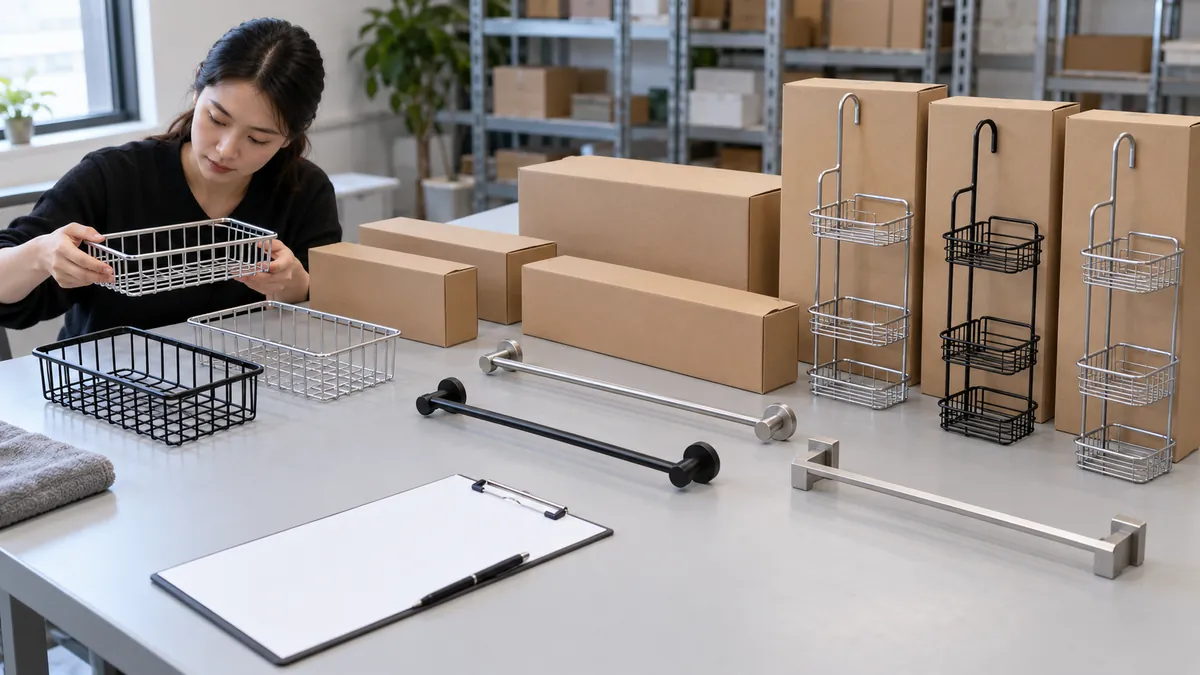
Maintain two records that link to each other: the seller’s SIPP decision or test evidence, and the factory’s approved product/package specification. The first records eligibility, group membership and enrollment evidence; the second tells production what to build. When the seller updates an ASIN, shipping marketplace or package design, the teams can identify which factory revision needs review.
SIPP certification should also be evaluated as a business decision, not assumed to be a universal cost saving. Amazon advertises potential fulfillment-fee reductions for certified products, and the current rate card is marketplace- and product-dependent. Compare the seller’s actual account-specific benefit with testing, packaging changes, additional protective materials, artwork or tooling, handling risk and the cost of maintaining separate variants. Do not use a remembered fee table or assume that a program discount offsets a particular package redesign.
Buyer checklist before asking the factory to release packaging
Use this checklist at the packaging kickoff and again before bulk print or pack-out:
- Seller Central shows the intended ASIN as eligible or provides an actionable enrollment path for the target marketplace.
- The seller has checked the current rigid or flexible package guidance and has documented the selected route.
- Each ASIN or variant is assigned to a confirmed group or explicitly held out for separate review.
- The test sample uses the exact product, insert, closure, pack quantity and package revision intended for production.
- Self-testing versus laboratory testing was confirmed from current Amazon instructions, not assumed by the factory.
- Test evidence, images and the approval owner are identified and linked to the seller’s enrollment record.
- Product, customer-facing package, export master carton and inbound labels have separate specifications.
- Artwork, barcode files and label placement come from the seller’s current approved files.
- The factory has returned an actual sample and clear pack-out photos for buyer sign-off.
- Any product, material, package or shipment-market change triggers seller review before substitution.
- The seller has checked current fee and program information in its own marketplace/account, without treating a discount as guaranteed savings.
This Amazon SIPP packaging certification checklist is useful because it ties the seller’s account-level decision to a reproducible physical package. It does not transfer enrollment responsibility to the supplier or replace the portal’s current requirements.
Perguntas frequentes
Does a bathroom hardware factory certify products for SIPP?
No. Amazon’s seller process controls eligibility and enrollment, and the testing route may involve a seller-performed test or a qualified testing lab under current guidance. A factory can prepare a sample and build to the approved package specification, but it should not claim SIPP certification unless the responsible seller has completed the program steps and can substantiate the claim.
Can a seller group every size or color of one product under a single test?
No blanket assumption is safe. Amazon’s grouping guidance considers the products and package configuration, including physical characteristics and pack details. The seller should verify each member in the current portal and keep an approved group list. A change in package material, size, product configuration or unit count may require a separate review.
Does SIPP remove inbound shipping labels or master-carton requirements?
Not necessarily. Customer-facing package qualification and inbound fulfillment instructions are separate. The seller should confirm the current item-label, carton-label, case-pack and shipment requirements for the specific shipment. The export master carton is not automatically the package that qualifies the individual customer-facing product.
Does passing the test guarantee no transit damage?
No. Testing evaluates the package under the applicable procedure and criteria; it is not a guarantee against every handling condition or every real-world damage event. The seller should evaluate product function, finish protection, closure integrity and acceptable cosmetic condition, then review customer feedback and claims after launch.
Trabalhe com a Koitor Hardware
Koitor Hardware is a family-owned custom metal hardware factory specializing in bathroom and home storage hardware. Buyers can share the product sample or drawing, target marketplace, approved package concept, insert plan and current revision. Koitor can discuss product-to-package coordination, pack-out details and small-batch OEM options while the seller retains responsibility for SIPP eligibility, testing decisions and enrollment.
Planning Amazon-Ready Packaging for Bathroom Hardware?
Send Koitor your hardware drawing or sample, customer-facing package concept, insert details and approved revision. Our team can discuss practical pack-out coordination with a custom metal hardware OEM project; Amazon eligibility and certification remain with your seller account and chosen test route.
OEM / MARCA PRÓPRIA
Transforme este guia de fornecimento num resumo do produto
Indique o produto pretendido, as dimensões, o acabamento, a quantidade a encomendar e os requisitos de embalagem. A sua equipa receberá uma análise prática da viabilidade de fabrico antes da apresentação do orçamento.


 English
 Español
 Português
 Français
 Deutsch
 العربية