
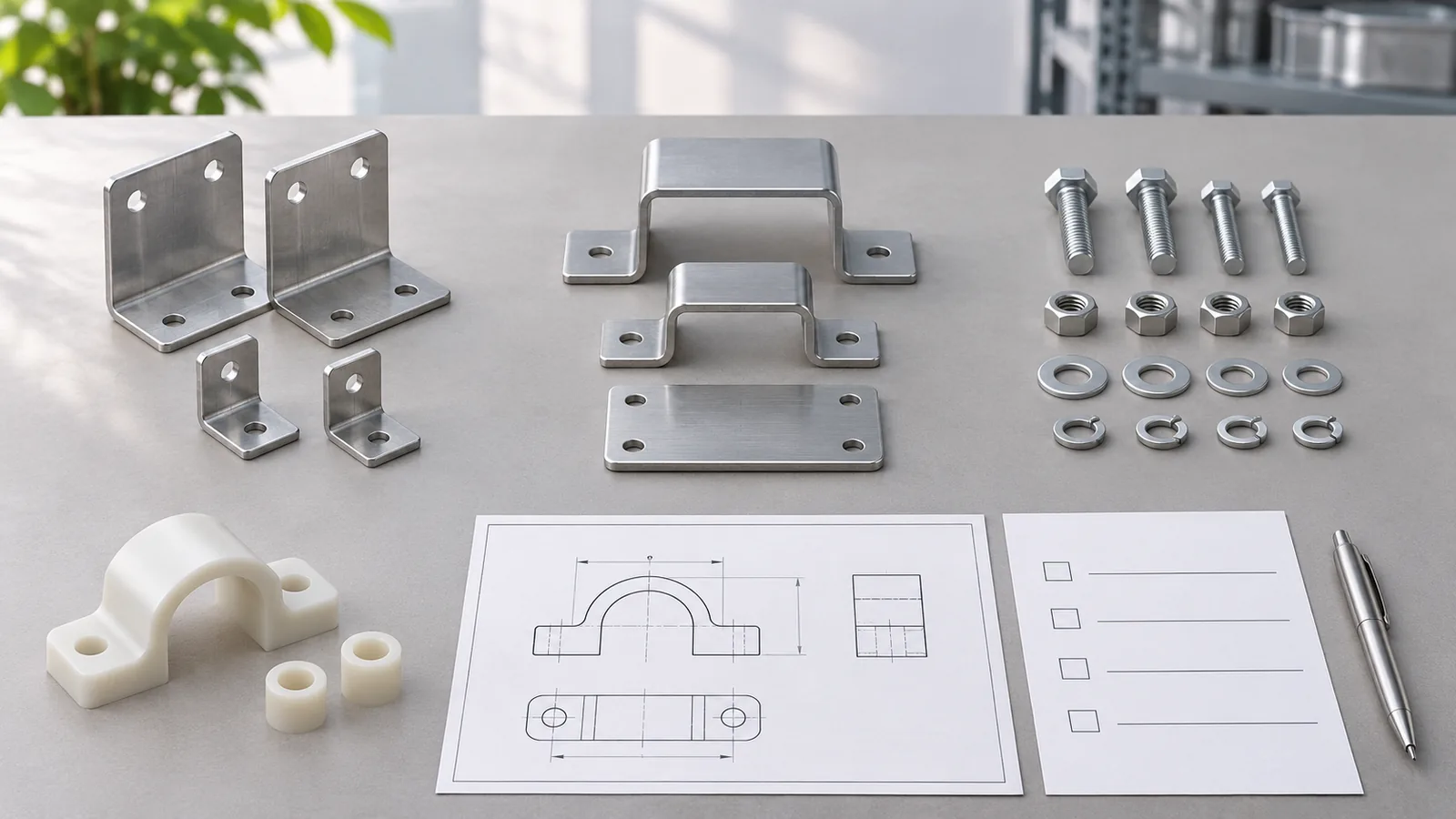
When a buyer selects a component supplier but asks a hardware OEM to place the order and assemble the part, the parties should agree who controls the exact component, purchase, receipt, technical acceptance and release. For customer nominated component supplier responsibilities, separate the buyer’s source decision from purchasing and acceptance ownership. The phrase “customer nominated supplier” only identifies a source preference; it does not answer those operational questions or create a universal rule for contractual responsibility. Before a quotation or sample is approved, define the source, exact part and revision, the buyer’s acceptance authority, and what happens if the selected component is late, unavailable or unsuitable.
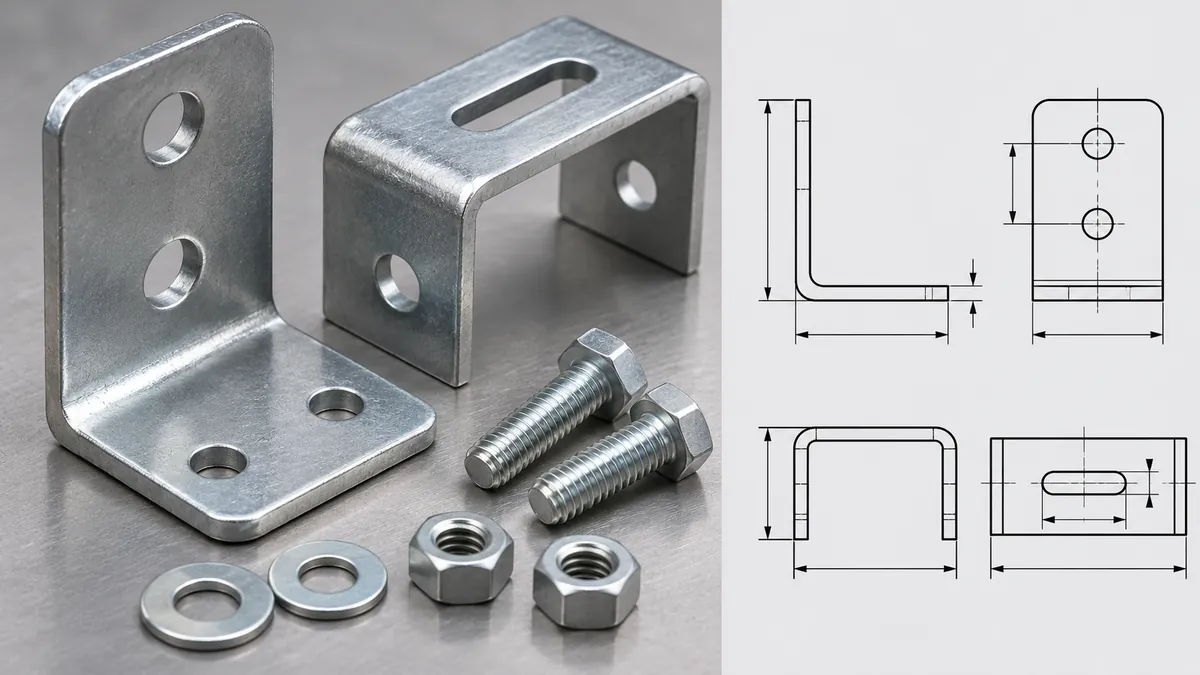
What Does a Buyer-Nominated Component Arrangement Mean?
A nominated component arrangement means the buyer has identified a preferred or required source, brand, part number or specification for an item used in the finished product. The OEM may still be expected to buy it, receive it, assemble it and ship the finished hardware. These are different decisions. Naming a source does not by itself settle who verifies the drawing, who owns the purchase order, who checks the delivered quantity, or who approves the item in the finished assembly.
For a metal rack, holder or bracket assembly, the nominated item might be a fastener, pad, insert, clip, suction component or another purchased part. Treat each as a distinct interface. A brand name may identify a manufacturer but not the exact revision, size, finish, material or package quantity needed for the application. A photograph is useful for recognition but is rarely enough to define a purchasable component. The buyer and OEM need an identifiable part reference and an approved interface.
و industrial supplier manual from NORMA Group describes a company-specific directed-buy arrangement and responsibilities for incoming materials. It is a useful example of why nominated purchasing needs a defined handoff, not a rule for unrelated housewares contracts. Contract terms, governing law and the parties’ own purchase documents determine the actual obligations. The practical guide here is therefore to make the work visible and agree it explicitly, rather than assume that a nomination automatically transfers liability or acceptance to one party.
The distinction matters because three similar-looking models can require different controls:
| Arrangement | Who identifies the source? | Who typically places the order? | Main handoff to document |
|---|---|---|---|
| Buyer-furnished component | Buyer | Buyer | Count, condition, storage, release and remaining stock |
| Buyer-nominated, OEM-purchased component | Buyer | OEM, if agreed | Exact part, source, purchasing terms, receipt and acceptance |
| OEM-proposed component | OEM proposes; buyer approves if required | OEM, if agreed | Evidence for the proposed part and written buyer approval |
These are working descriptions, not contract templates. If the arrangement is buyer-furnished stock, see the separate buyer-furnished material handoff guidance. If an approved supplier or material changes later, use the project’s change-control process rather than silently replacing the nomination.
Which Decisions Must the Buyer and OEM Assign Before the Purchase Order?
The fastest way to reduce ambiguity is to assign an owner to each action, then record the evidence that closes it. One organization can own several steps, but “the supplier handles it” is too vague when buyer, component maker and assembly factory are separate parties.
Start with the identity of the component. Record manufacturer or source name when relevant, exact part number, drawing or catalog revision, material and finish requirements, allowed substitutions, and the part’s position in the finished-product bill of materials. If the source is specified without a part number, ask whether the buyer is nominating an organization, a product family or an exact item. These do not have equal precision. A supplier can offer several versions under one family name. Record customer nominated component supplier responsibilities in the same handoff matrix as the purchasing and technical-approval owners so that no step is left implicit.
Then map the commercial transaction. Confirm which company requests the component quote, who approves price and lead time, whose name appears on the purchase order, where the delivery is sent and who receives the order confirmation. If the OEM is buying on the buyer’s direction, the quotation should identify any assumptions about minimum order, packaging quantity, freight or timing that affect the finished order. Do not imply that those commercial terms are standardized; the parties need to agree them for the transaction.
Next assign technical authority. The buyer may define the intended use or nominate a source, while the OEM checks whether the item can be assembled with the metal product. The component manufacturer can provide its own specifications or instructions. The finished-product buyer still needs to decide what evidence is sufficient for acceptance. A source’s product data does not automatically establish that a component fits a particular bracket, coating, hole, mating part or package.
The handoff should answer at least these questions:
- Who verifies that the quoted component matches the nominated source and exact part revision?
- Who approves a different source, superseding part number or alternate package quantity?
- Who checks delivered quantity and visible shipping condition?
- Who reviews technical conformity against the agreed component specification?
- Who approves the component-to-finished-product fit in a sample or assembly trial?
- Who can release the finished order when a question remains open?
- Who contacts the buyer if the nominated item is unavailable, delayed or offered with a change?
Keep commercial, physical and technical acceptance separate. Counting cartons at receipt does not prove the supplied item meets every technical requirement. A visual comparison may identify an obvious mismatch but cannot establish hidden composition, origin or performance. If those characteristics are critical, agree the appropriate documentation or qualified test with the responsible party.
How Should the Three-Party Flow Work?
A clear process follows the component from nomination through finished-product release. It can be a short table attached to the RFQ or a referenced section of the product specification. The goal is not to add paperwork for its own sake; it is to make a late change or mismatch visible before it affects assembly or shipment.
- Nominate: The buyer provides the exact source and part reference, the reason it is required, the product revision and the relevant interface information. If a source is only preferred, say whether an alternate can be proposed.
- Review feasibility: The OEM checks the assembly interface, available space, orientation, fastener engagement, finish contact and packaging implications that apply to the actual part. Questions go back to the buyer before the quote is treated as complete.
- Confirm the transaction: The buyer and OEM agree who will request and approve commercial terms, place the component order, receive it and handle unexpected changes. The component source confirms its own order and delivery details with the purchasing party.
- Inspect and identify: The receiving party records the component identifier, revision if available, quantity and visible condition. Any technical or origin evidence is collected only as required by the project; receiving paperwork should not be described as proof of more than it establishes.
- Evaluate the interface: The OEM and buyer review a representative component in the approved assembly or sample. The record identifies the finished-product revision and shows what was observed. If fit or function is unresolved, hold release of the affected assembly until the authorized person decides what to do.
- Close exceptions: A shortage, damage, substitution, mismatch or timing issue is documented and sent to the buyer’s named decision maker. The OEM does not assume permission to choose a different source merely because it appears similar.
- Release: The authorized buyer or project owner confirms acceptance, conditional acceptance or the agreed disposition. The final record connects the decision to the component and finished-product revisions.
This sequence may be shortened for a low-risk standard item or expanded for a critical interface. That choice belongs to the project team. Avoid adding unverified inspection criteria or a generic “100 percent inspection” promise. The useful control is a defined acceptance question, responsible reviewer and record that connects the answer to the purchased lot and product assembly.

What Happens When the Nominated Source Cannot Supply the Exact Part?
An unavailable or changed item should trigger a decision, not an undocumented substitution. Ask whether the source has discontinued the item, revised its design, changed packaging, split the order or offered an alternative. The purchasing party should send the relevant evidence to the person who can approve the change. A product that looks similar may have different dimensions, material, finish, installation sequence or supply terms.
Before accepting an alternate, compare the characteristics that matter to the specific assembly. These may include mating dimensions, thread or hole engagement, contact area, orientation, clearance, cosmetic exposure, interaction with the finish, and how the parts are packed together. The list depends on the product. Do not turn it into a claim that each example is required for every hardware order. The designer or buyer defines the critical features; the OEM can explain which production and assembly questions are visible from its scope.
If an alternative changes a sample or approved BOM, make the revision traceable. Identify the old and proposed item, the reason for change, affected SKUs or lots, the buyer’s decision, and whether a new sample or focused check is needed. Keep the old and new records distinct. A purchase order note, email approval and current drawing should not contradict each other. Where the commercial agreement sets a particular precedence, follow that agreement rather than assuming one document always controls.
Do not use a source problem to make an unapproved claim to the buyer, such as “equivalent,” “better,” “same quality” or “drop-in replacement.” Those descriptions require evidence against the applicable requirements and the buyer’s acceptance. If the buyer does not approve an alternate, record the schedule or order effect and obtain a direction before proceeding with the affected assembly.
What Should the Handoff Record Contain?
A useful nominated-component matrix is short enough to maintain but specific enough to trace. It should connect the buyer’s nomination to the OEM’s purchase, receipt, assembly and release steps.
| Record field | Example of useful content | Why it helps |
|---|---|---|
| Component identity | Manufacturer, exact part number, revision and project BOM line | Avoids relying on a broad product family or image |
| Nomination scope | Mandatory source, preferred source or buyer-approved list | Clarifies whether an alternate may be proposed |
| Purchasing owner | Organization responsible for quote and purchase order | Prevents a gap between nomination and procurement |
| Delivery and receipt | Destination, quantity reference and receiving contact | Makes shortages and damage reportable |
| Technical acceptance | Buyer-defined requirement and evidence owner | Separates receipt from technical approval |
| Assembly approval | Sample/product revision and interface observations | Connects the part to the finished hardware |
| Exception route | Named contact and release-hold decision authority | Prevents an informal substitution |
| Change record | Old/new references, reason, approval and affected scope | Preserves repeat-order history |
Keep only appropriate commercial information in the record. Do not store payment credentials or confidential supplier details in a public specification. Share sensitive purchasing documents only with the parties who need them and are authorized to see them. For a simple item, a controlled spreadsheet row may be enough. For a project with several nominated parts, use a BOM-linked register so each line has an owner and revision.
How Can a Small-Batch OEM Factory Contribute?
A specialized metal hardware manufacturer can help review the physical interface, drawing clarity, assembly sequence, finish contact, sample plan and packed configuration within its confirmed production scope. That contribution can reveal questions before a PO is released: for example, whether the selected fastener can be accessed after a bend, whether the pad interferes with the mounting plate, or whether a component can be protected during packing. These are examples to investigate, not claims about a particular Koitor product or nominated supplier.
Koitor Hardware is a family-owned custom metal hardware manufacturer with experience coordinating buyer drawings, samples, metal forming, joining, finishing, assembly and packaging for bathroom and home-storage hardware. This does not mean Koitor manufactures every bought-in component, maintains a universal approved-source list, accepts every directed-buy arrangement or provides independent certification. The buyer should confirm the scope and purchasing terms for the actual project. The point of early communication is to clarify a practical production handoff, not to imply that source nomination alone guarantees compatibility.
Small-scale production can be useful when a buyer wants to evaluate a product concept or private-label assortment before a larger program. It still requires a controlled reference. A sample should identify which nominated component was used, its part reference and any known deviation from production intent. If the buyer supplies a sample or drawing, state which one governs the question being reviewed. A photograph helps communicate but should not replace an approved component identity or drawing where those are necessary.
Buyer Checklist Before Requesting a Quote
Use customer nominated component supplier responsibilities as the heading for the agreed source, purchasing, receipt and acceptance ownership record.
- State whether the source is mandatory, preferred or open to alternatives.
- Identify the exact component part number, revision, specification and BOM line.
- Share the relevant mounting or assembly interface and finished-product revision.
- Name who requests and approves the component quote and who places the order.
- Define delivery destination, receiving responsibility and visible receipt checks.
- Assign technical acceptance and sample-fit approval to a named role.
- Explain what evidence is required for any critical material, origin or performance claim.
- Set a route for shortages, delays, discontinuation and proposed substitutions.
- Identify who may release the finished assembly when a component question is open.
- Keep component, sample, drawing, packaging and PO revisions aligned.
الأسئلة الشائعة
Does a customer-nominated supplier automatically become responsible for the whole component?
No universal responsibility follows from the phrase alone. The actual contract and agreed purchasing and acceptance documents determine the parties’ obligations. Use a written handoff rather than assuming a legal result.
If the OEM places the component order, does that mean the buyer no longer approves it?
Not necessarily. Purchasing authority and technical or finished-product acceptance can belong to different parties. The buyer and OEM should name who performs each action and how approval is recorded.
Can the OEM choose a similar component when the nominated item is delayed?
Only if the buyer’s agreement allows that action or the authorized buyer approves the alternative. Similar appearance does not prove equivalent fit, material, performance or commercial acceptability.
Is a receiving inspection the same as technical acceptance?
No. A receipt check can document quantity or visible condition. Technical acceptance may require separate specifications, records or a product-specific review.
What should be reviewed in the finished-product sample?
Use the buyer-defined interface requirements. Typical questions may concern fit, access, orientation, clearance, appearance or packaging interaction, but the relevant checks depend on the component and product.
Clarify Your Component Handoff Before the RFQ
Share a non-confidential product drawing, nominated-part reference and purchasing assumptions so the metal OEM scope can be discussed clearly.
OEM / العلامة التجارية الخاصة
حوّل دليل التوريد هذا إلى موجز منتج
يرجى إطلاعنا على المنتج المستهدف، والحجم، والتشطيب، وكمية الطلب، ومتطلبات التغليف. وسيتلقى فريقك تقييمًا عمليًّا لإمكانية التصنيع قبل تقديم عرض الأسعار.


 English
 Español
 Português
 Français
 Deutsch
 العربية