
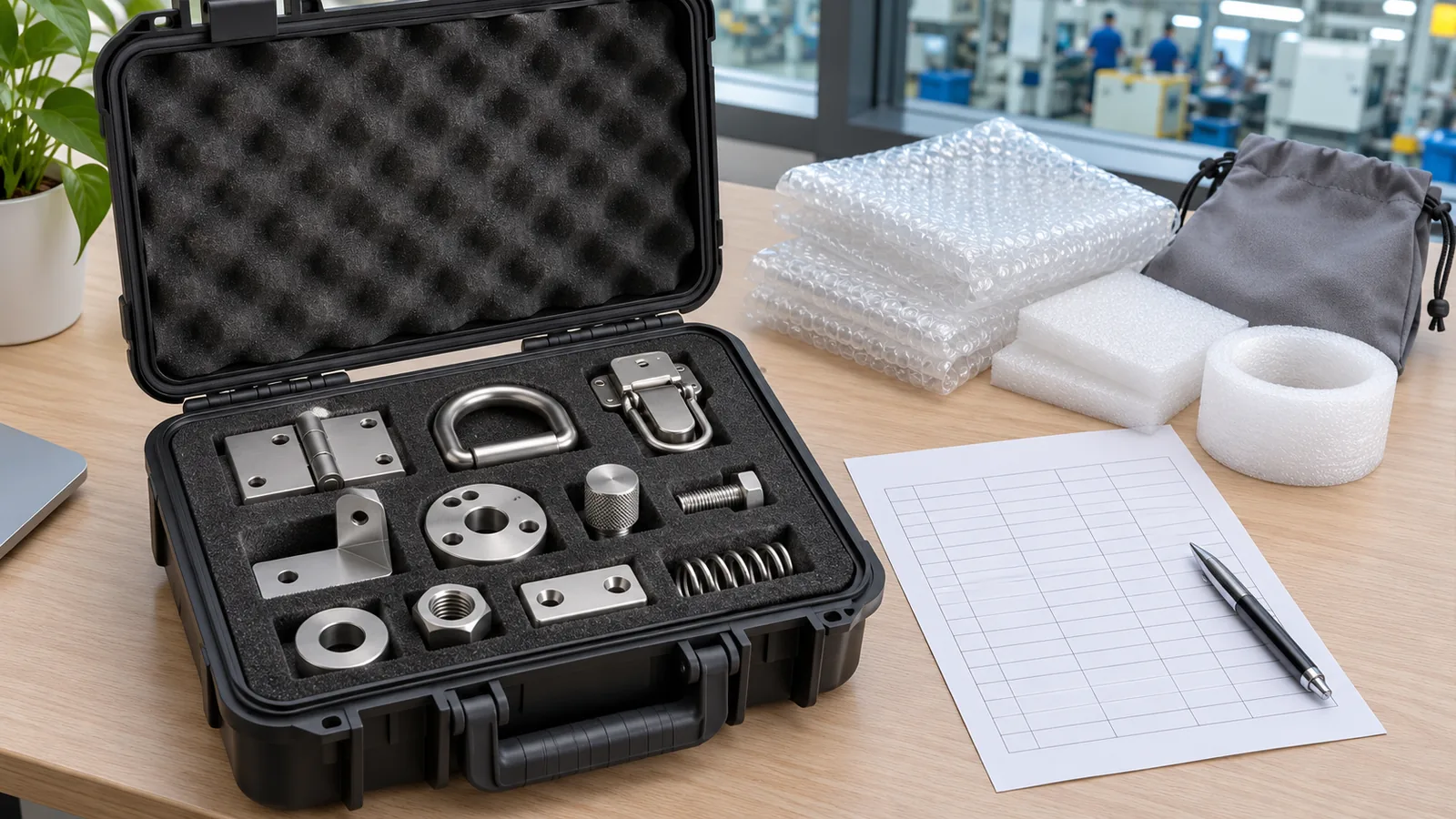
Before bringing product samples to China for a factory visit, identify each item, agree how it will be used, decide whether it must return, and confirm the correct customs and transport route with a qualified professional. The search phrase “bringing product samples to China factory visit” captures the planning question: what happens to every sample after the review? A sample that will only be compared visually is different from one that may be measured, disassembled, cut, tested or left with a factory. Do not assume that a personal-baggage allowance or an ATA Carnet automatically covers every business sample and planned use. Plan item by item, retain the records and do not change the intended disposition without checking the applicable requirements.
Why Decide the Sample’s Purpose Before Booking Travel?
A physical sample can help a buyer and an OEM compare shape, finish, fit, packaging or a product variant during a sourcing visit. But “bringing a sample” does not explain what will happen to it. It could remain in the buyer’s luggage and leave with the buyer, be temporarily held at a factory, be used for measurement, be altered for evaluation, or be retained as a reference. Each plan has different custody and documentation questions.
China Customs provides separate public guidance for passenger-carried goods and for temporary import/export goods. The passenger guidance identifies goods and samples as items that may need declaration; that does not mean every sample follows one identical process. The temporary-admission guide describes a separate approval and return/extension process for eligible goods. The buyer should not convert a general webpage or a travel allowance into a determination for a specific item, route, value or business purpose.
The International Chamber of Commerce describes ATA Carnets as a temporary-admission mechanism for eligible categories such as commercial samples, while emphasizing that eligibility depends on the territory and the goods’ use and disposition. ICC also explains that the goods generally must leave in the same condition and cannot simply be sold or given away without customs permission to end the temporary admission. The actual route and item must be reviewed by the issuing body, broker or customs authority responsible for the case. Read the current ICC ATA Carnet guidance and relevant China Customs temporary goods service guide for the source material, then obtain advice for your specific shipment.
This article is a planning checklist, not customs, tax or legal advice. It does not determine tariff classification, customs value, eligibility, required forms, airport procedure, duty relief or filing deadlines for an individual shipment. For a wider preparation plan, see the China factory visit checklist and the project’s OEM purchasing handoff guidance. This article deals specifically with sample use and custody.
How Should Buyers Classify Each Physical Sample for Planning?
Build an item list before travel rather than treating one case of hardware as a single generic sample. Give each object an identifier and a plain-language description. Note quantity, approximate dimensions, material where known, project or SKU reference, owner, and whether it is new, used or modified. If value information is required, use supported purchase or valuation records and ask the responsible professional how it should be presented. Do not label an item “no commercial value” just because it is a prototype or display sample. A buyer bringing product samples to China factory visit should keep the planned use and return decision beside each item ID.
Then decide what the buyer and factory intend to do with it. A visual comparison may leave the object unchanged. A fit check may require placing it beside a mating part. Measurement may require opening packaging or using a tool. Disassembly may risk losing components. Cutting, coating removal, destructive testing or leaving the item behind can alter its condition or ownership. Record the planned activity before departure and ask whether the chosen movement route permits that activity and the intended return or retention.
Separate reference samples from saleable inventory. A production item carried for demonstration may have a purchase invoice and a separate commercial purpose. A prototype may contain unapproved changes. A branded competitor product may have design or intellectual-property restrictions; clearance to carry an object does not grant permission to copy it. Buyers should confirm they have authority to share any samples, drawings, photos or confidential information with the factory and should limit access where needed.
| Planning field | What to record | Why it matters |
|---|---|---|
| Item identity | Unique label, description, model/SKU or reference | Prevents items from being mixed in a case or record |
| Owner and sharing authority | Owner and who can authorize factory review | Clarifies possession and confidentiality |
| Intended activity | Compare, measure, fit, disassemble, alter or other use | Supports the professional’s route and document review |
| Planned disposition | Return unchanged, retain, consume, destroy or another approved path | Makes the departure plan explicit |
| Transport and route | Traveler or carrier, route and planned entry/exit points | Lets the responsible professional assess the actual movement |
| Supporting evidence | Purchase, value or product records as requested | Avoids unsupported descriptions or estimates |
| Custody contact | Person receiving, holding or returning the object | Makes handover and retrieval traceable |
Which Questions Should the Buyer Ask the Factory in Advance?
Ask the factory contact whether it can receive the sample, where it will be stored, who can access it and what review activity is feasible. Do not assume a factory visit includes customs handling, secure custody, measurement, destructive testing, sample storage or return shipping. Confirm these points directly, and record any service that the supplier explicitly agrees to provide.
Send a photograph and a short item list before travel when appropriate. Make clear whether the picture shows the item that will actually travel or only a reference. Identify fragile edges, detachable screws, coatings that can scratch, packaging that should remain sealed, and parts that must stay together. If a sample needs a mating part, include the mating item or provide clear interface information. Do not request a factory to perform a destructive test unless it is authorized, technically appropriate and consistent with the agreed customs and ownership plan.
For each item, confirm:
- whether the supplier agrees to receive and temporarily hold it;
- the name or role of the person who will acknowledge receipt;
- the review location and activities planned during the visit;
- whether the sample will be opened, disassembled or marked;
- how its condition will be recorded before and after review;
- who will keep it after the visit and where it will be stored;
- who will pack, ship or hand it back; and
- what happens if the buyer changes the plan or cannot retrieve it on schedule.
The factory can clarify its own willingness and manufacturing review scope. It cannot replace customs authorities, an ATA issuer, a broker, the traveler’s employer or the sample owner. A supplier’s “we can keep it” is not a customs disposition approval. Treat those as separate confirmations.
What Must Be Confirmed with a Customs or Carnet Professional?
Provide the actual item list, purpose, route, traveler or carrier, planned entry and exit, expected use, ownership and intended disposition. Ask the professional which route and documents fit that exact scenario, which authority or issuing body should confirm eligibility, and what actions may affect the item’s temporary status. Keep the question specific: a metal bracket used for an unchanged visual review may raise different questions from a coating coupon intended to be cut or a sample the buyer plans to leave behind.
Do not assume one program covers all objects in a sample case. Different items may have different owners, values, country of origin, transport methods or planned uses. The professional may advise separating items, using a different movement method or not carrying a particular sample. Follow the authority or issuer’s actual instruction; this article does not recommend a specific customs route.
Ask how the records should be presented at each relevant border, whether the item requires declaration or inspection, and how exit/return should be evidenced. If using a temporary admission mechanism, clarify who holds the document, which customs endorsements are required, and how a change in route or use should be handled. Do not assume an electronic workflow, a paper document or a particular port process without current confirmation for the route.
China Customs’ public temporary-goods service page describes an application/confirmation and extension workflow, and lists categories that may qualify. The page is not a guarantee that a buyer’s physical sample qualifies, that a particular traveler may use the same process, or that a factory visit fits every category. Likewise, ICC’s global carnet explanation is a general framework, not a port-specific ruling. Use the primary sources as questions to take to the responsible customs professional, not as a substitute for a case review.
What If the Sample Will Be Altered, Consumed or Left Behind?
Stop and check before changing the plan. A sample that entered for temporary evaluation may not be freely cut, consumed, sold, donated or retained. ICC’s guidance notes that the same-condition and no-sale/no-gift principles can matter for carnet goods. Whether a particular activity is permitted depends on the procedure and authority. Do not infer from a supplier’s willingness to keep the item that the customs process has been completed.
If the buyer expects an alteration or test, tell the professional before travel and describe the planned method and final condition. If the buyer expects to leave an unchanged sample with the factory, state that explicitly and confirm the applicable disposition before the trip. If the plan changes during the visit, pause the handoff until the responsible professional explains the permitted next step. Keep a written record of who authorized any change and what documents or follow-up are required.
There are also non-customs questions. Confirm ownership and permission to share product drawings or branded samples. Ask whether factory staff may photograph or measure the item, whether any confidential marking must remain visible, and whether the buyer can take the sample back. For competitor products, discuss lawful review boundaries and do not treat a reference object as permission to copy protected design features. Customs clearance and intellectual-property permission are different issues.
| Planned use or outcome | Confirm before travel | Do not assume |
|---|---|---|
| Visual comparison, unchanged return | Route, declaration/temporary status and condition record | That personal luggage rules settle a business sample |
| Measurement or fit review | Whether the planned activity affects handling or documentation | That supplier acceptance resolves customs conditions |
| Disassembly or alteration | Permission, final condition and any required approval | That a prototype may be modified without consequence |
| Sample left at factory | The authorized disposition and required procedure | That a verbal agreement is sufficient |
| Sample shipped separately | Carrier, broker, documents and route for that shipment | That passenger guidance applies to cargo |
How Can Buyers Maintain Custody and Return Records?
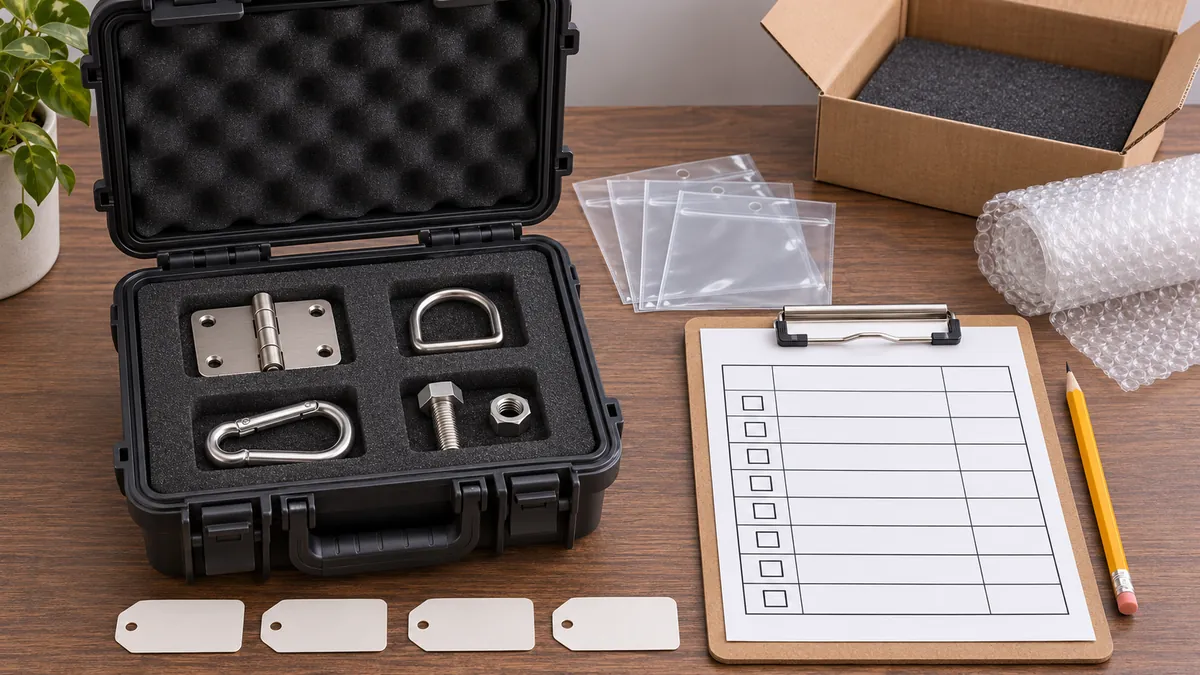
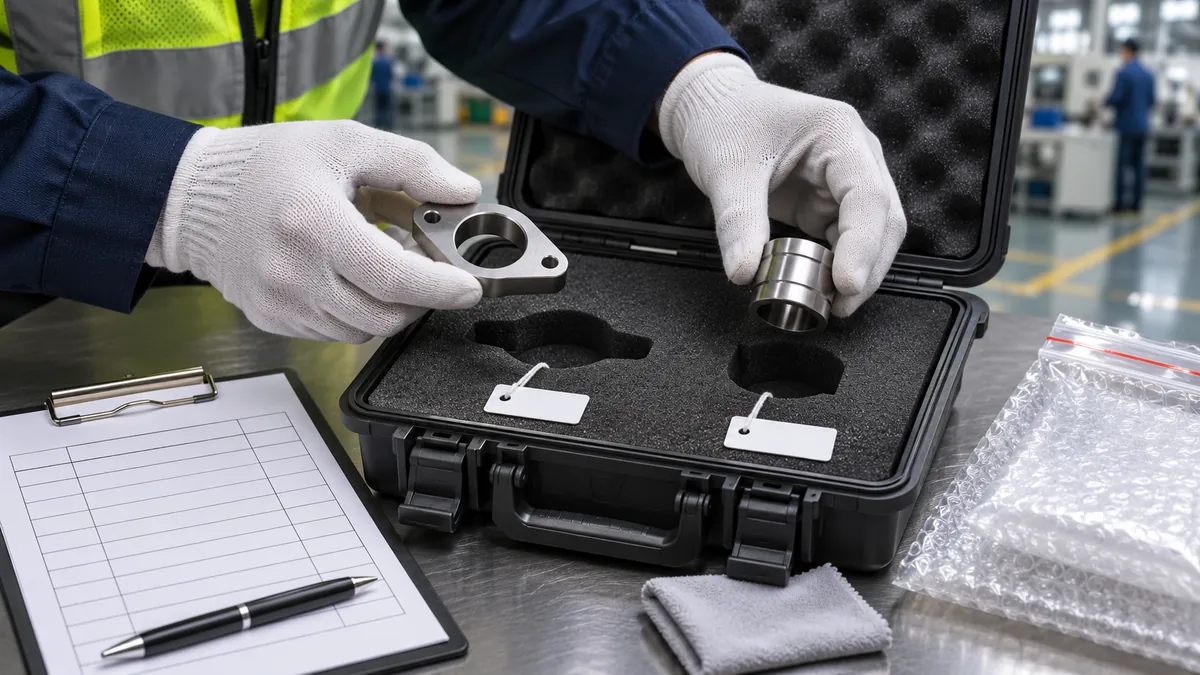
Use a simple sample log. Assign an identifier to each item and capture its condition with dated photos before it leaves. At handover, record who received it, where it is stored, what activity was performed and whether anything changed. At return or other approved disposition, record the date, responsible person and supporting documents. This is a practical traceability record, not proof of customs compliance by itself.
Keep the sample log separate from confidential financial or customs credentials. Do not place passport data, bank details or carnet serial information in a broadly shared product sheet. Store original documents with the person or professional responsible for them. The buyer’s sourcing team can retain a reference to where the approved document is held without copying sensitive data into an unnecessary system.
If one visit covers several factories, keep one handoff per location. Note whether an item travels with the buyer between visits or remains at a facility. If a supplier holds it, agree a return date and shipping responsibility in writing. A buyer should have a fallback plan if a meeting changes or a visit is postponed: identify where the item will remain and which route applies if the original return schedule changes.
After the visit, reconcile the sample log against the planned disposition. Confirm that returned items are present and in the expected condition, or that an authorized alternative disposition has been completed. Save the manufacturing observations separately: fit comments, finish preferences or drawing questions can inform development, while the customs record tracks movement and custody. Keeping these records distinct prevents an engineering approval from being mistaken for a customs closeout.
What Should a Buyer Checklist Include?
Use bringing product samples to China factory visit as the travel-planning entry, then record use, custody and disposition for every item.
- List every sample separately and identify its owner and product revision.
- Photograph and describe each item using supportable information.
- State why the sample is needed and what activity is planned.
- Choose the intended return, retention or other disposition in advance.
- Confirm the factory’s willingness, receiving contact and storage location.
- Share the actual route, carrier/traveler and dates with the responsible professional.
- Ask the customs broker, issuing body or authority which process applies.
- Confirm documentation, inspection, exit/return evidence and any change procedure.
- Protect drawings, brands and confidential samples with appropriate sharing permission.
- Keep before/after condition and handoff records for each location.
- Reconcile all items and documents after the visit.
For a metal hardware sample, an OEM may be able to discuss drawings, physical fit, material and finish questions within its confirmed manufacturing scope. Koitor Hardware is a family-owned custom metal hardware manufacturer with buyer-drawing and physical-sample development experience for bathroom and home-storage hardware. This does not mean Koitor acts as importer of record, customs broker, ATA Carnet agent, travel organizer or guaranteed sample custodian. Confirm the exact factory review and custody arrangement directly before travel.
الأسئلة الشائعة
Can a buyer carry a product sample in personal luggage?
The route depends on the item, purpose, quantity, value, destination rules and planned activity. Consult the appropriate customs authority or qualified professional with the actual details; passenger guidance is not a blanket business-sample exemption.
Does an ATA Carnet automatically cover every hardware sample?
No. Eligibility depends on the country/territory, item category and use. Confirm the actual route and disposition with the issuing body or customs professional.
Can the buyer leave the sample with a factory after the visit?
Do not assume so. Confirm the permitted disposition before travel, especially if the item is under a temporary-admission arrangement.
Should buyers bring samples that may be cut or tested?
Only after checking the planned activity with the sample owner and the relevant customs or carnet professional. Altering a sample can change its condition and affect the applicable procedure.
Is a factory receipt enough to prove the sample was returned?
No. Keep custody and condition records, and retain whatever exit or disposition evidence the responsible professional requires.
Prepare a Physical Sample Review
Share the non-confidential product reference and intended factory review so the manufacturing questions and sample handoff can be discussed before your visit.
OEM / العلامة التجارية الخاصة
حوّل دليل التوريد هذا إلى موجز منتج
يرجى إطلاعنا على المنتج المستهدف، والحجم، والتشطيب، وكمية الطلب، ومتطلبات التغليف. وسيتلقى فريقك تقييمًا عمليًّا لإمكانية التصنيع قبل تقديم عرض الأسعار.


 English
 Español
 Português
 Français
 Deutsch
 العربية