
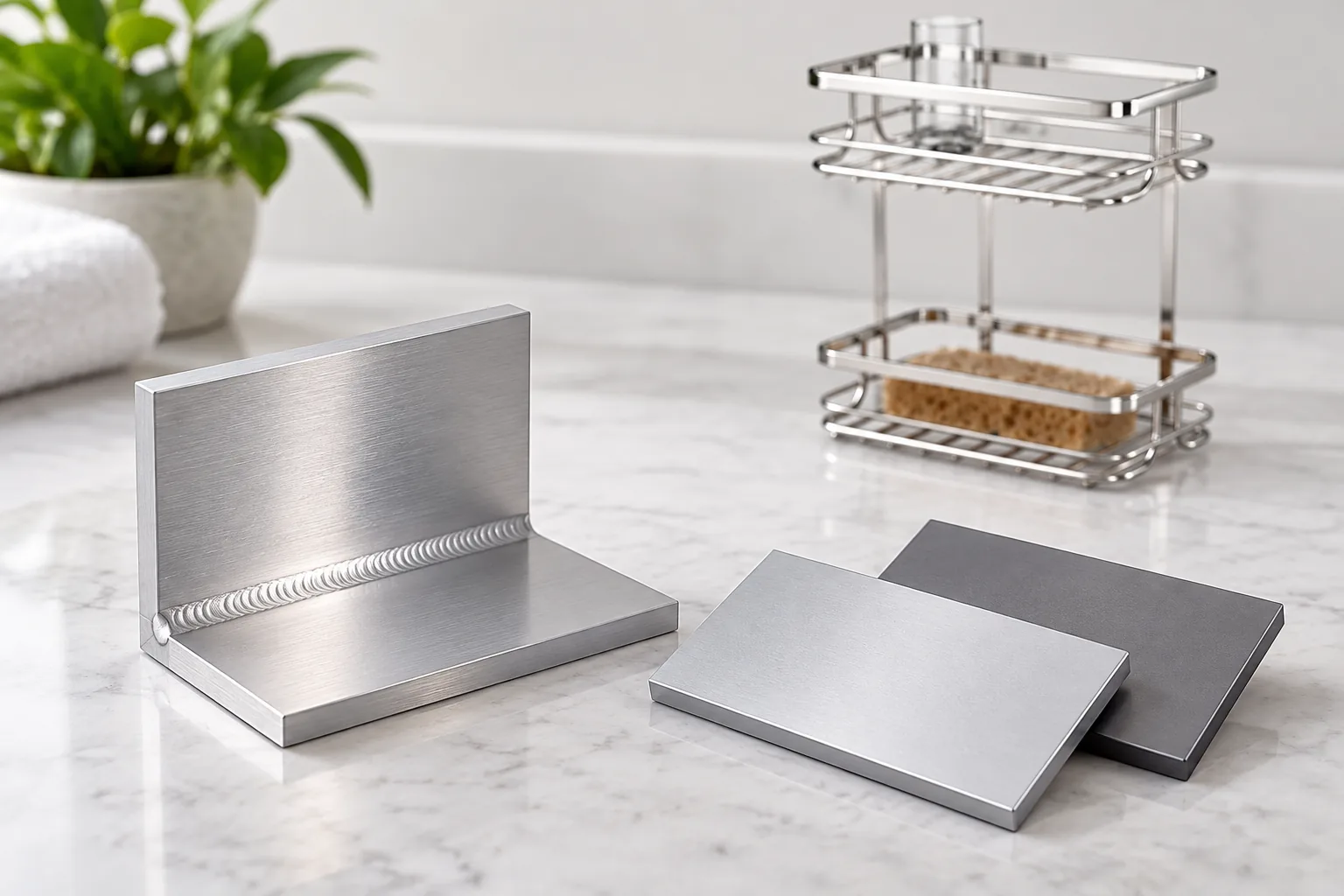
For anodizing alloy weld discoloration filler mismatch on a welded aluminum rack, buyers should approve the actual base alloy, filler metal, weld procedure, surface preparation, and post-weld finish together. A weld zone that looks different after anodizing may reflect differences between filler and parent-metal chemistry, local heat effects, or surface preparation—not necessarily a defect that can be corrected by grinding alone. The buyer’s specification should define the acceptable appearance and functional requirements, then verify them on a representative welded sample.
This article is an adjacent sourcing guide for aluminum components. It does not imply that Koitor’s stainless-steel wire baskets are aluminum, anodized, or made with aluminum welding filler. Koitor can explain relevant metal-fabrication purchasing questions, but a qualified aluminum welding and anodizing supplier must confirm its specific alloy, filler, process, and performance. Color matching is only one decision; strength, cracking, corrosion, service temperature, and other design conditions must also guide filler selection.
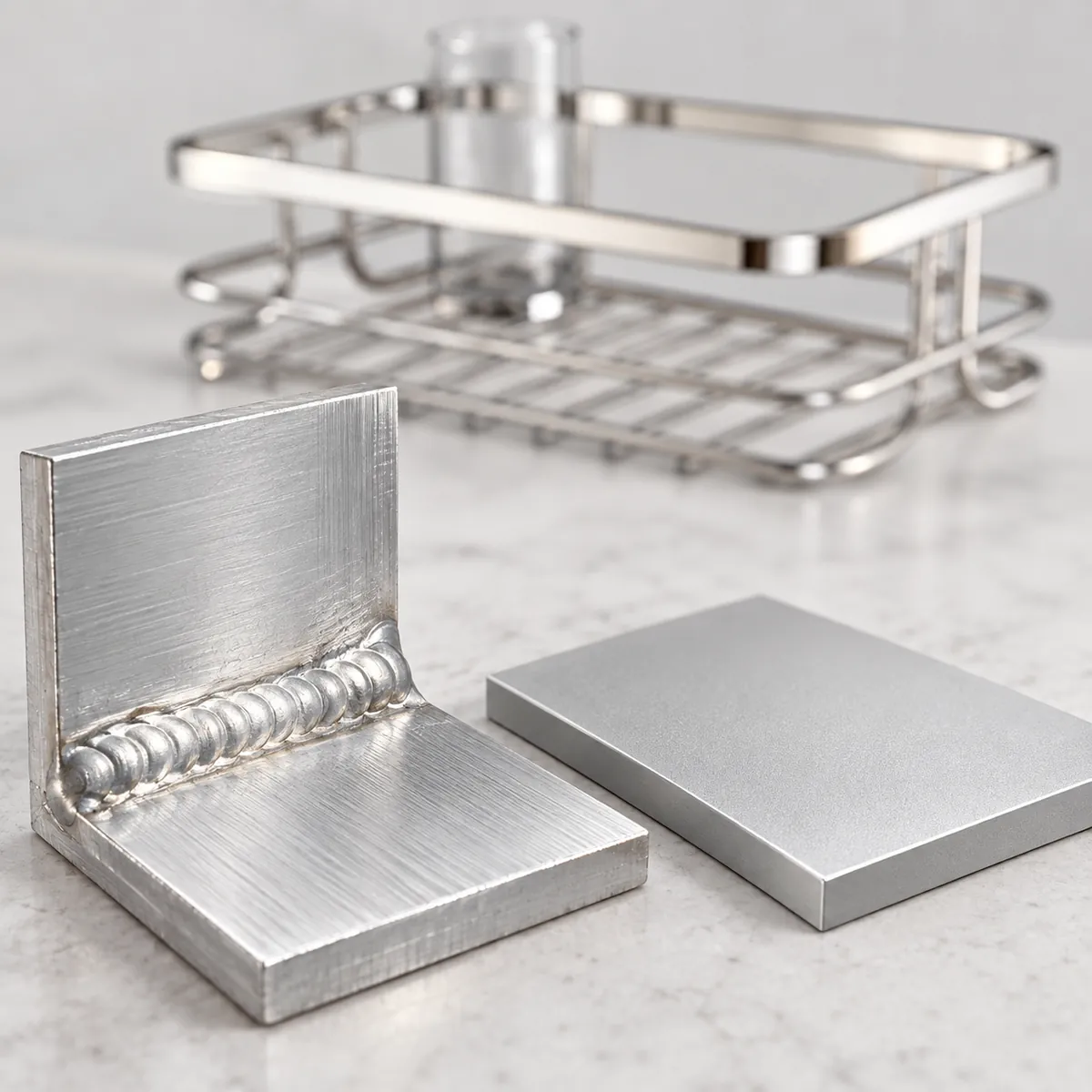
Why the weld can look different after anodizing
Anodizing response depends in part on the aluminum alloy and its surface condition. A welded assembly may include parent material, weld metal made from a filler alloy, and a heat-affected region whose properties have been altered by welding heat. The anodizing process treats these regions together, but their metallurgical and surface differences can produce visible shade variation. Industry guidance from the Aluminum Anodizers Council notes that filler-wire metallurgy and heat-induced changes near a weld can contribute to halos or “ghosts” after anodizing.
Filler selection references also describe how certain filler/base-metal combinations can produce a different color after anodizing. Hobart Brothers, for example, explains a contrast that can occur for some 6xxx-series base materials joined with 4xxx-series filler and post-weld anodized. That example is not a universal rule for every alloy, geometry, or process. It demonstrates why the buyer needs the actual material and filler designations rather than relying on a broad label such as “aluminum rack.”
Appearance also depends on the chosen anodizing route, alloy and temper, mechanical or chemical pretreatment, surface texture, and coloring method. Two parts that share a nominal color name may not visually match if their alloy, weld, finish route, or lot differs. Therefore, the term anodizing alloy weld discoloration filler mismatch should trigger a configuration review, not an assumption that one filler metal or post-weld operation is always the answer.
Separate appearance from weld integrity
A visible shade difference may be a cosmetic concern, but the buyer must not treat it as a complete weld-quality assessment. Conversely, a visually uniform anodized weld does not prove the joint meets strength or durability requirements. Agree separate acceptance criteria for weld geometry and integrity, the anodized appearance, and any functional performance needed for the finished rack. Each criterion needs suitable evidence from the responsible supplier.
Do not ask a finisher to remove more material until the design and welding owner evaluate the effect. Grinding or blending can alter the joint profile and may reduce section thickness or disturb the intended geometry. The Aluminum Anodizers Council cautions that grinding away a weld to hide appearance differences does not resolve the underlying metallurgical color variation and can reduce mechanical integrity. If mechanical finishing is part of the approved route, specify its extent and verify it on the actual design.
| Potential cause or variable | What the buyer should identify | Evidence to request | Limit of the evidence |
|---|---|---|---|
| Parent alloy and temper | Exact alloy/temper for each joined component and approved source | Material identification tied to the part revision or lot | A generic “aluminum” description cannot predict appearance or weld suitability. |
| Filler metal | Filler classification, supplier and approved substitution rules | Weld record or controlled process declaration; sample weldment | Color guidance does not override structural or service requirements. |
| Weld heat and geometry | Joint design, weld location, bead condition and relevant process route | Representative weldment and agreed visual/functional criteria | One sample cannot establish performance across unapproved process changes. |
| Anodizing and pretreatment | Finish type, surface preparation, color expectation and lot controls | Finisher’s process/specification evidence and identified production-intent sample | A color swatch alone does not qualify a welded assembly. |
Specify the materials and sequence before sampling
Begin with the product drawing and a clear bill of materials. Identify each aluminum component, its alloy and temper when known, the joint locations, and which surfaces are visible in the finished product. Ask the welding supplier to identify the proposed filler and the basis for selecting it. The supplier should consider the full service requirement, not just appearance after anodizing. If a supplier proposes a substitute, obtain its technical rationale and review whether it affects strength, ductility, cracking sensitivity, corrosion behavior, or service temperature.
Record the manufacturing sequence: cutting or forming, surface preparation, welding, any mechanical finishing, cleaning, anodizing, and final inspection. A changed order or preparation can affect the surface presented to the anodizer. Keep the approved route linked to the part revision and sample. If multiple suppliers perform the steps, clarify who owns the material records, who controls filler substitutions, and who verifies the final appearance.
At RFQ stage, ask the suppliers to distinguish confirmed inputs from assumptions. If the drawing says only “aluminum,” request the design owner to resolve the alloy and temper rather than allowing the fabricator to choose a convenient substitute. If the filler designation is not yet fixed, ask the welding supplier to propose a qualified option and identify what design or service information is needed to select it. If the anodizing source has not reviewed the welded sample, state that the finish appearance remains subject to sample approval. This makes the quote useful without pretending every technical decision is settled.
For the anodizing alloy weld discoloration filler mismatch review, include enough sample context to reproduce the appearance: identify the base alloy and filler, weld process and relevant settings as controlled by the supplier, surface preparation, anodizing type and color route, and sample lot. Buyers do not need to prescribe proprietary process parameters without engineering basis, but they should ask suppliers to record the approved route and notify them about changes affecting the result.
How to set a useful appearance target
“Match the anodized color” is usually too vague for a welded product. Identify whether the weld zone must be visually uniform with adjacent material, whether a limited halo is acceptable, and which views or lighting conditions matter for the buyer’s product. Agree the visual distance, illumination, sample orientation, comparison reference, and acceptable range with the anodizer and product owner. Where the brand needs a consistent appearance, establish a physical master sample or a documented range sample rather than depending on an uncalibrated image.
Inspect the complete assembled component where that is how customers see it. A separate weld coupon can be useful to compare process options, but it cannot fully represent rack geometry, surface preparation, weld placement, or the visual context of adjacent components. Use a production-intent sample that contains representative joint lengths, corners, and visible faces. Note any limits where the sample does not represent the full design.
When comparing supplier samples, keep the viewing setup consistent and record the sample identity before placing samples side by side. Avoid comparing a freshly cleaned piece with a handled or oxidized one, or judging one sample in direct light and another in shadow. If appearance is assessed by multiple reviewers, agree how disagreements are resolved and who has final acceptance authority. The result should be a documented acceptable range tied to an identified sample—not a vague direction such as “make it brighter.” If a physical range sample is retained, protect it from damage and label it with revision and approval date so it remains a usable reference.
If the anodized appearance is intentionally varied by alloy or joint, document that design choice. A controlled contrast may be acceptable; an unexplained lot-to-lot variation may not be. The point is not to demand identical appearance from every possible alloy combination, but to align what the buyer expects with what the qualified process can reliably demonstrate.
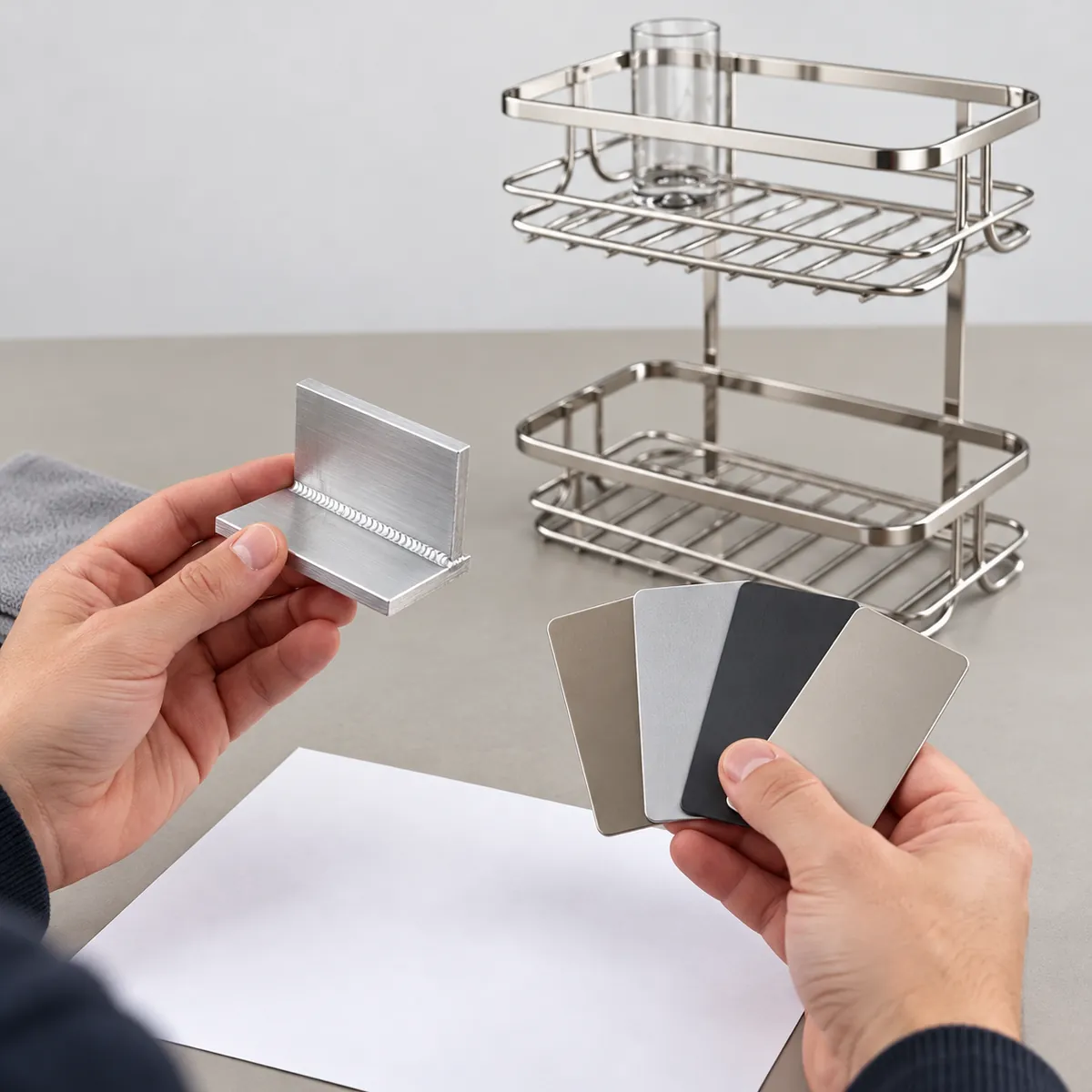
Approve a production-intent sample and control changes
Before releasing volume, review a sample made with the proposed production materials and sequence. Capture component and drawing revision, supplier identities, material and filler designations, finish callout, surface preparation, sample ID, and inspection observations. Keep photographs as supporting records, not as a replacement for sample identity or an agreed visual method. If a critical appearance concern occurs, preserve the part and its records before rework so the suppliers can examine the original condition.
Define change triggers in the purchase and quality documents. These may include a change to base alloy or temper, filler classification or source, joint design, welding process, surface preparation, anodizer, finish type, color route, or a significant process revision. The trigger list should be tailored to the product risk. A notified change does not automatically mean rejection; it means the buyer can determine whether a new sample or evidence is necessary.
For distributed supply chains, include the approved configuration in the purchase order or its controlled attachments. Make sure the receiving inspection has access to the correct revision and knows what to record if a visible mismatch is found. If the hardware is shipped as a kit or assembled set, note whether pieces from separate anodizing lots may be mixed. The buyer can then decide whether lot segregation or an additional appearance review is appropriate. These controls are especially important where a private-label brand expects a consistent finish across parts that share a visible frame.
For repeat orders, compare against the approved reference using the same viewing conditions and check that the process records match the released configuration. When a mismatch appears, separate observations from hypotheses: document where the shade changes, whether it follows the weld metal or heat-affected zone, and whether the surrounding parent material also differs. Then request a supplier investigation rather than prescribing a fix before the cause is established.
Common buyer mistakes
- Choosing filler only for color: weld suitability depends on base alloy and operating conditions as well as appearance.
- Assuming all anodized aluminum is visually identical: alloy, temper, surface texture and coloring route can change appearance.
- Grinding the bead to erase a halo: extra grinding can affect joint integrity and may not remove the metallurgical color difference.
- Approving a coupon as the complete product: validate a representative welded component and its visible assembly.
- Using a generic color name as a criterion: define a reference, viewing method and acceptable range with the supplier.
- Changing filler or finisher without notification: keep the approved material/process configuration controlled.
Buyer checklist and FAQ
Does a darker weld always mean the filler is wrong?
No. Filler chemistry is one possible contributor, but heat-affected material, alloy, pretreatment, finish route, and surface condition can also influence appearance. Ask the welding and anodizing suppliers to review the identified sample.
Can 5356 filler be specified for every aluminum weld that will be anodized?
No. Filler selection must consider the base alloy, joint design, mechanical requirements, service temperature, cracking and other relevant conditions. Manufacturer guidance is a starting point for the qualified welding engineer, not a universal buyer instruction.
Will polishing or grinding always make the anodized weld blend in?
No. Mechanical finishing can change texture and geometry, and it does not necessarily remove differences caused by the weld metal or heat-affected zone. Approve any finishing route on a representative sample.
What should an importer request before approving the appearance?
Request identified base materials and filler, the agreed anodizing and preparation route, a production-intent sample, a defined visual reference and inspection conditions, and written change-notification rules. Keep structural acceptance separate from appearance approval.
References: The Aluminum Anodizers Council FAQ discusses weld-area shade differences and cautions about grinding; Hobart Brothers’ filler-metal guidance explains why base/filler combinations can look different after anodizing; its filler selection guide identifies other engineering factors that must be considered. Confirm current, product-specific guidance with qualified suppliers.
Review a welded aluminum finish specification
Share the drawing or sample, material/filler information, appearance target, and proposed finish route for a project-specific OEM discussion. This adjacent buyer guidance does not imply that Koitor currently supplies anodized aluminum racks.
OEM / EIGENE MARKE
Verwandeln Sie diesen Beschaffungsleitfaden in ein Produktdossier
Teilen Sie uns Ihr Zielprodukt, die Größe, die Oberflächenausführung, die Bestellmenge und Ihre Verpackungsanforderungen mit. Ihr Team erhält vor der Angebotserstellung eine praxisorientierte Prüfung der Herstellbarkeit.


 English
 Español
 Português
 Français
 Deutsch
 العربية