
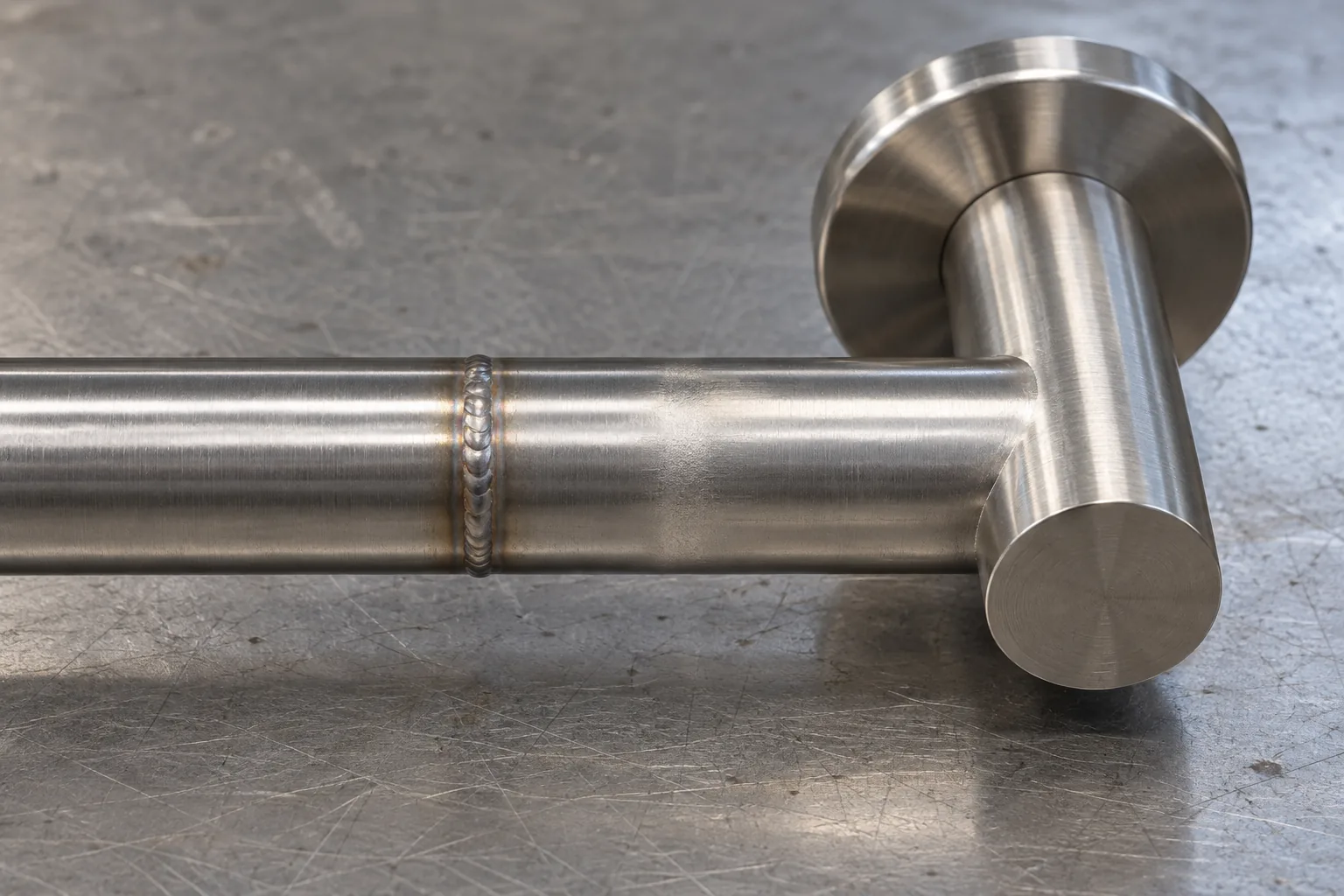
For grinding stainless welds flush, buyers should define the actual functional requirement, approve a representative finished sample and retain the evidence against a controlled drawing. The correct choice depends on product geometry, material, finish and intended assembly; no universal dimension, setting or performance claim can replace project-specific review. How flush the seam must appear while retaining the intended section and surface continuity should be recorded before the supplier releases a production route.
Why is flush grinding a controlled design decision?
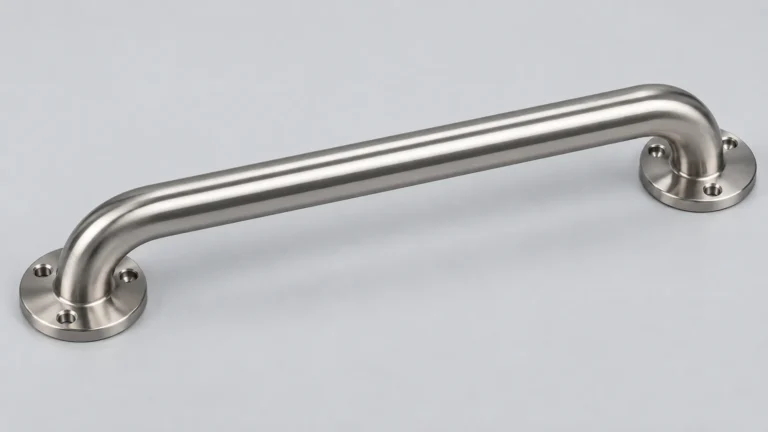
For a visible weld on a thin-wall stainless towel-bar frame, judge the finished assembly against its agreed function, not appearance alone. A flush-looking seam is not automatically a better joint. The a product developer or sourcing manager specifying a polished metal bathroom accessory should define the controlling interface before the supplier selects a route. This keeps the decision tied to the product rather than an assumed standard configuration.
In an RFQ, grinding stainless welds flush labels this specific buyer decision; the drawing and sample criteria still define acceptance.
Treat this as a controlled design input during why is flush grinding a controlled design decision?. Map the joint locations and assign a visual class only where it affects the product. Make the drawing, sample and inspection note use the same feature names and revision. Resolve conflicting records before purchase release instead of relying on a later visual interpretation.
Connect how flush the seam must appear while retaining the intended section and surface continuity to an observable acceptance step. A restrained blend may preserve more parent material but leave a visible transition; a more extensive blend can reduce the visible ridge while increasing finishing time and the need for controlled inspection. Ask the supplier to list assumptions about material, finish or geometry for buyer approval. The goal is clear design intent and evidence, not an unsupported machine setting or tolerance.
The sample should represent the production-intent condition for a visible weld on a thin-wall stainless towel-bar frame. Review representative samples across the joint types and tube orientations in the design. Record any omitted finish or feature on an early prototype. An identified sample, controlled drawing and disposition make later comparisons repeatable without implying unperformed tests.
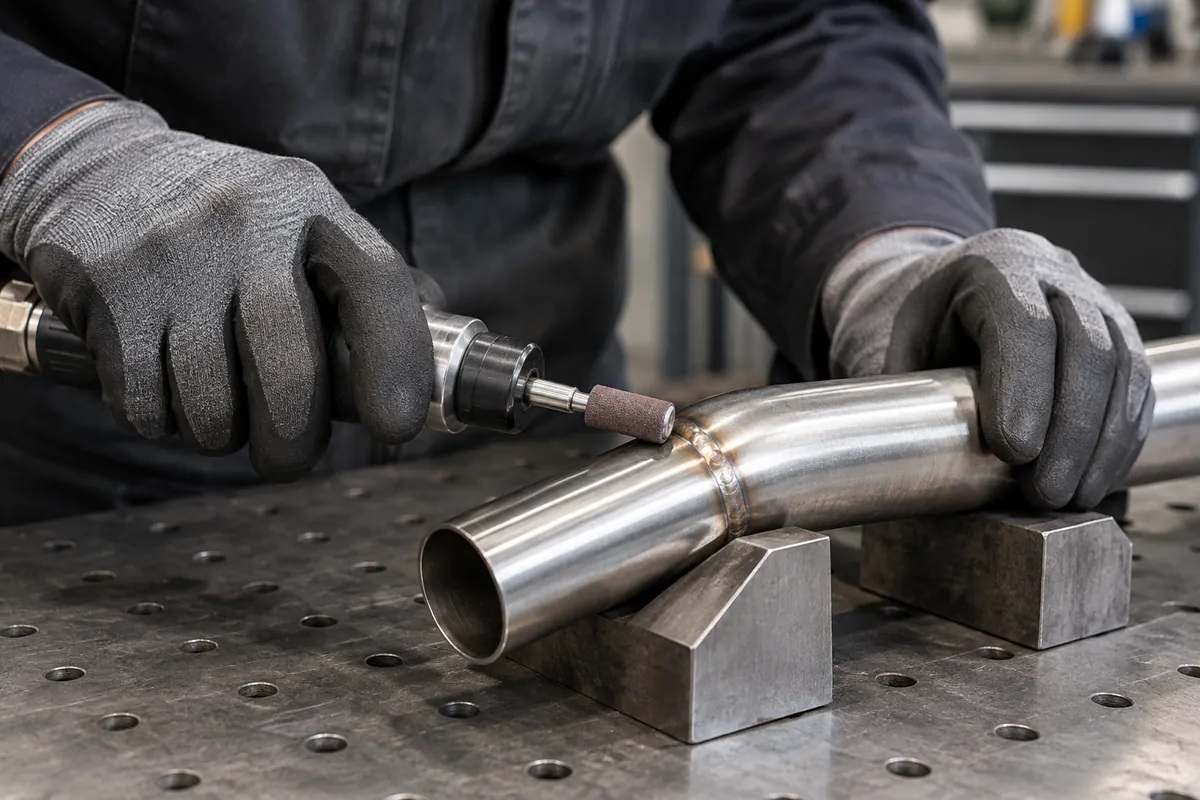
How should buyers classify visible and structural seams?
For a visible weld on a thin-wall stainless towel-bar frame, judge the finished assembly against its agreed function, not appearance alone. Map the joint locations and assign a visual class only where it affects the product. The a product developer or sourcing manager specifying a polished metal bathroom accessory should define the controlling interface before the supplier selects a route. This keeps the decision tied to the product rather than an assumed standard configuration.
Treat this as a controlled design input during how should buyers classify visible and structural seams?. A restrained blend may preserve more parent material but leave a visible transition; a more extensive blend can reduce the visible ridge while increasing finishing time and the need for controlled inspection. Make the drawing, sample and inspection note use the same feature names and revision. Resolve conflicting records before purchase release instead of relying on a later visual interpretation.
Connect how flush the seam must appear while retaining the intended section and surface continuity to an observable acceptance step. Review representative samples across the joint types and tube orientations in the design. Ask the supplier to list assumptions about material, finish or geometry for buyer approval. The goal is clear design intent and evidence, not an unsupported machine setting or tolerance.
The sample should represent the production-intent condition for a visible weld on a thin-wall stainless towel-bar frame. A flush-looking seam is not automatically a better joint. Record any omitted finish or feature on an early prototype. An identified sample, controlled drawing and disposition make later comparisons repeatable without implying unperformed tests.
Which finishing approaches should a buyer compare?
For a visible weld on a thin-wall stainless towel-bar frame, judge the finished assembly against its agreed function, not appearance alone. A restrained blend may preserve more parent material but leave a visible transition; a more extensive blend can reduce the visible ridge while increasing finishing time and the need for controlled inspection. The a product developer or sourcing manager specifying a polished metal bathroom accessory should define the controlling interface before the supplier selects a route. This keeps the decision tied to the product rather than an assumed standard configuration.
Treat this as a controlled design input during which finishing approaches should a buyer compare?. Review representative samples across the joint types and tube orientations in the design. Make the drawing, sample and inspection note use the same feature names and revision. Resolve conflicting records before purchase release instead of relying on a later visual interpretation.
Connect how flush the seam must appear while retaining the intended section and surface continuity to an observable acceptance step. A flush-looking seam is not automatically a better joint. Ask the supplier to list assumptions about material, finish or geometry for buyer approval. The goal is clear design intent and evidence, not an unsupported machine setting or tolerance.
The sample should represent the production-intent condition for a visible weld on a thin-wall stainless towel-bar frame. Map the joint locations and assign a visual class only where it affects the product. Record any omitted finish or feature on an early prototype. An identified sample, controlled drawing and disposition make later comparisons repeatable without implying unperformed tests.
| Buyer decision | Define or compare | Nachweis der Genehmigung |
|---|---|---|
| Seam class | Buyer intent | Acceptance evidence |
| Hidden / non-cosmetic | Functional joint with defined edge condition | Assembly and project-specific joint checks |
| Visible blended | Reduce abrupt profile while retaining surface continuity | Finished sample and agreed viewing condition |
| High-visibility face | Coordinate seam location, blend and grain | Reference views under consistent lighting |
| Thin-wall area | Limit unintended parent-metal removal | Sample review and agreed feature-specific method |
What evidence belongs in sample approval?
For a visible weld on a thin-wall stainless towel-bar frame, judge the finished assembly against its agreed function, not appearance alone. Review representative samples across the joint types and tube orientations in the design. The a product developer or sourcing manager specifying a polished metal bathroom accessory should define the controlling interface before the supplier selects a route. This keeps the decision tied to the product rather than an assumed standard configuration.
Treat this as a controlled design input during what evidence belongs in sample approval?. A flush-looking seam is not automatically a better joint. Make the drawing, sample and inspection note use the same feature names and revision. Resolve conflicting records before purchase release instead of relying on a later visual interpretation.
Connect how flush the seam must appear while retaining the intended section and surface continuity to an observable acceptance step. Map the joint locations and assign a visual class only where it affects the product. Ask the supplier to list assumptions about material, finish or geometry for buyer approval. The goal is clear design intent and evidence, not an unsupported machine setting or tolerance.
The sample should represent the production-intent condition for a visible weld on a thin-wall stainless towel-bar frame. A restrained blend may preserve more parent material but leave a visible transition; a more extensive blend can reduce the visible ridge while increasing finishing time and the need for controlled inspection. Record any omitted finish or feature on an early prototype. An identified sample, controlled drawing and disposition make later comparisons repeatable without implying unperformed tests.
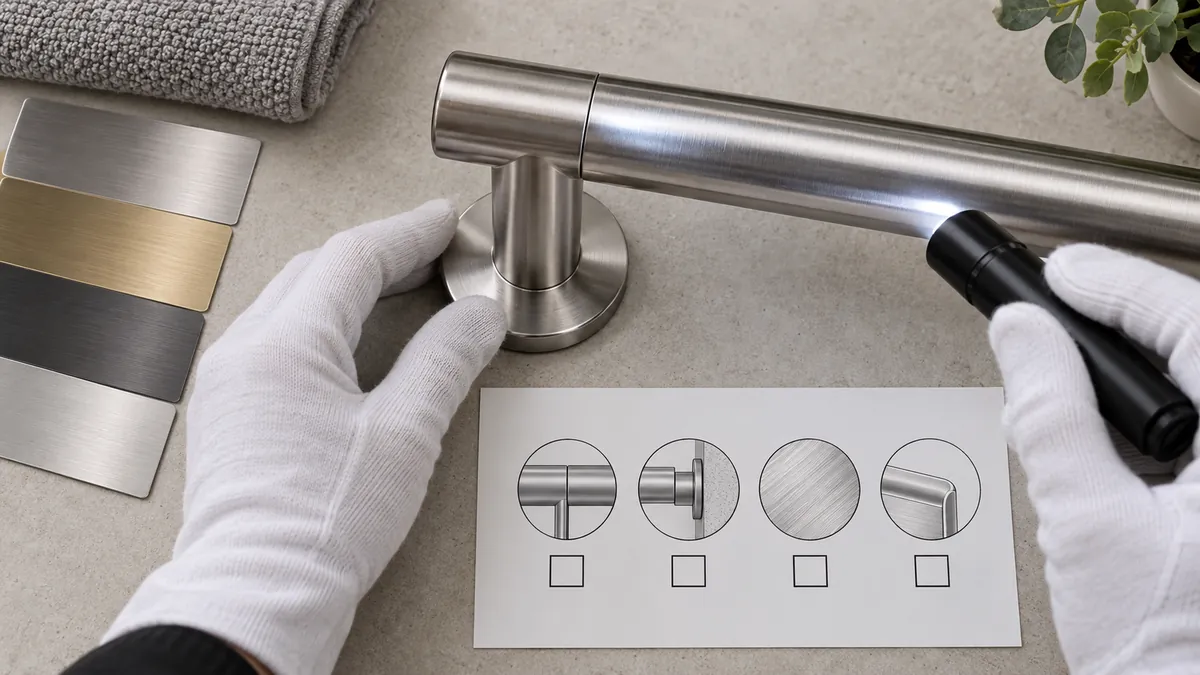
How can repeat orders preserve the approved seam?
For a visible weld on a thin-wall stainless towel-bar frame, judge the finished assembly against its agreed function, not appearance alone. A flush-looking seam is not automatically a better joint. The a product developer or sourcing manager specifying a polished metal bathroom accessory should define the controlling interface before the supplier selects a route. This keeps the decision tied to the product rather than an assumed standard configuration.
Treat this as a controlled design input during how can repeat orders preserve the approved seam?. Map the joint locations and assign a visual class only where it affects the product. Make the drawing, sample and inspection note use the same feature names and revision. Resolve conflicting records before purchase release instead of relying on a later visual interpretation.
Connect how flush the seam must appear while retaining the intended section and surface continuity to an observable acceptance step. A restrained blend may preserve more parent material but leave a visible transition; a more extensive blend can reduce the visible ridge while increasing finishing time and the need for controlled inspection. Ask the supplier to list assumptions about material, finish or geometry for buyer approval. The goal is clear design intent and evidence, not an unsupported machine setting or tolerance.
The sample should represent the production-intent condition for a visible weld on a thin-wall stainless towel-bar frame. Review representative samples across the joint types and tube orientations in the design. Record any omitted finish or feature on an early prototype. An identified sample, controlled drawing and disposition make later comparisons repeatable without implying unperformed tests.
A useful review scenario is a change between the prototype and the intended production sample. For a visible weld on a thin-wall stainless towel-bar frame, even a small change in geometry, finish or assembly order can alter a seam can be made visually flatter by removing too much weld or parent material from a thin section. The a product developer or sourcing manager specifying a polished metal bathroom accessory should ask which acceptance points remain valid and which need a new check. This avoids treating an earlier approval as blanket authorization for a different configuration.
Before requesting a quotation, provide the controlled drawing, the product’s installed or assembled orientation, the specified material and finish, and the buyer’s use conditions. Call out a seam map that separates structural joints, visible joints and cosmetic finishing zones. Ask the supplier to identify missing inputs and quote assumptions in writing. A clear RFQ helps compare proposals fairly and reduces the risk that two suppliers price different interpretations of the same short product description.
At sample review, use the same names for features that appear in the drawing, photographs and inspection notes. Check inspect the finished joint for continuity, profile, local thinning indicators and grain match under agreed lighting. If the result is borderline or the sample differs from the production route, record the limitation and assign a decision owner rather than silently changing the criterion. The resulting evidence should be concise enough for sourcing and quality teams to reuse during a later order.
Finally, maintain a change record linking the approved configuration to the supplier response and the next purchase order. A final-finish sample, marked seam locations, approved views and a written disposition for each cosmetic class If a proposed substitution affects a relevant feature, compare it with the accepted reference and document the buyer’s disposition before release. This modest control is especially useful when a private-label program moves from sampling into repeat orders or adds a related size.
Buyer approval checklist
Use this checklist at RFQ, sample approval and change review. Tailor it to the actual part and identify the person responsible for accepting each requirement.
- Mark structural, functional and cosmetic seams separately.
- Identify visible faces, viewing orientation and finish direction.
- State the desired profile without prescribing unsupported removal depth.
- Review the final-finish sample for distortion and surface continuity.
- Tie approval to seam map, drawing revision, sample ID and change control.
Häufig gestellte Fragen
Should every stainless weld be ground completely invisible?
No. The appropriate appearance depends on function, visibility, section geometry and the agreed finish. A universal invisible-seam requirement can encourage excessive material removal.
Does a smooth-looking seam prove the joint is structurally adequate?
No. Cosmetic review and structural validation are different decisions. The design authority should specify any strength or load validation separately.
Can a buyer set one grinding depth for all tube sizes?
Not without design and process evidence. Thin walls, joint geometry and finish route differ; use a drawing requirement and representative qualification instead.
Why inspect after polishing or brushing?
Later finishing can reveal or create reflection and grain differences that are not apparent on the ground joint alone.
Does Koitor claim a specific grinding capability in this guide?
No. It explains buyer decisions. The manufacturing route and capability must be confirmed for each project.
Technical references
Use source documents as context and confirm their scope, revision and applicability to the actual material and process.
Keep grinding stainless welds flush tied to the approved configuration and revision when recording a supplier decision.
For related sourcing context, see Koitor Hardware manufacturing information oder contact the project team.
Discuss Your Product Specification
Share the controlled drawing, intended use, finish and representative sample requirements so the relevant manufacturing questions can be reviewed for your project.
OEM / EIGENE MARKE
Verwandeln Sie diesen Beschaffungsleitfaden in ein Produktdossier
Teilen Sie uns Ihr Zielprodukt, die Größe, die Oberflächenausführung, die Bestellmenge und Ihre Verpackungsanforderungen mit. Ihr Team erhält vor der Angebotserstellung eine praxisorientierte Prüfung der Herstellbarkeit.
 English
 Español
 Português
 Français
 Deutsch
 العربية