
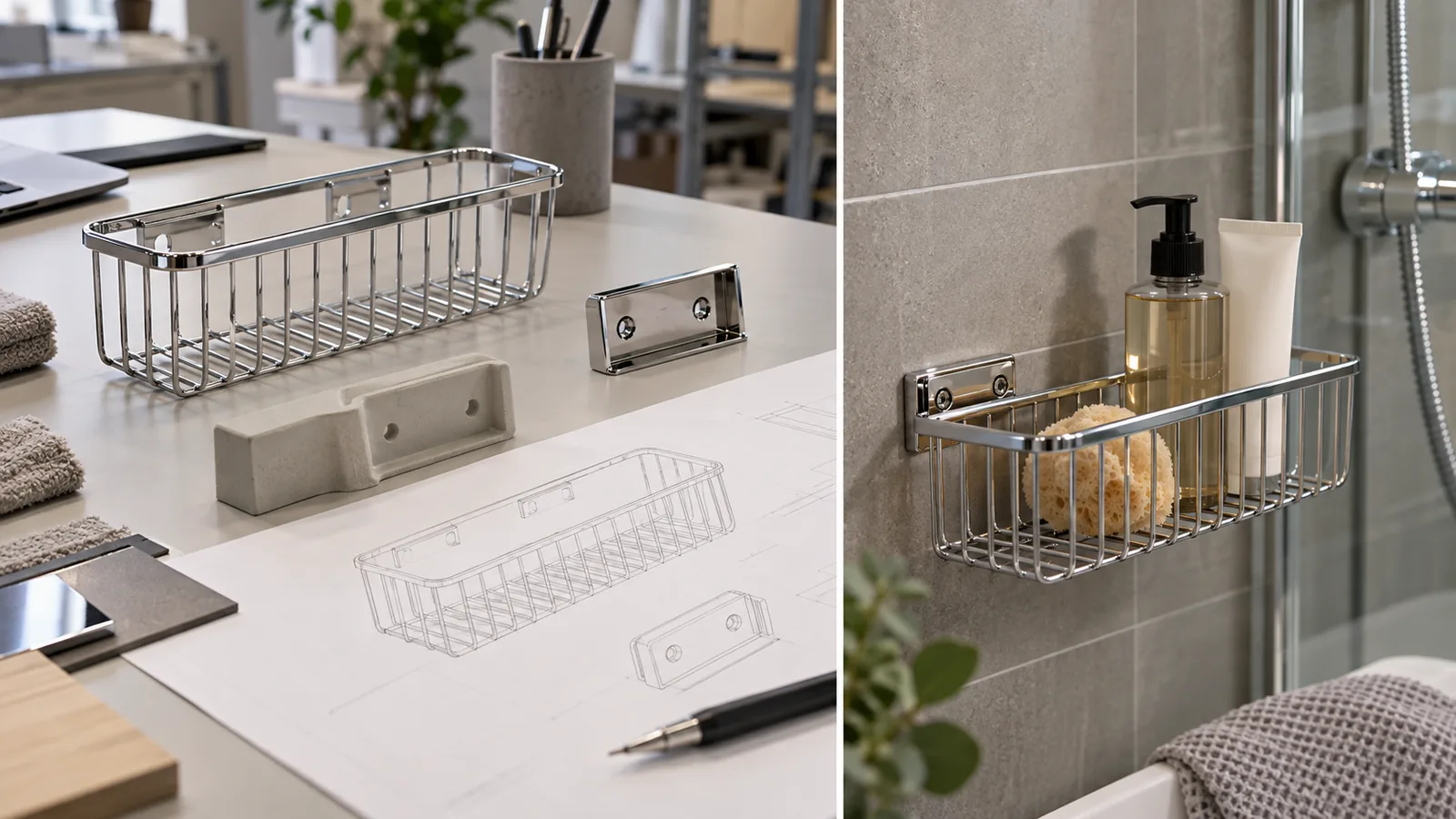
For an OEM bathroom or home-storage product, design verification versus design validation OEM hardware is the distinction between checking whether a defined design meets its stated requirements and checking whether the resulting product works for its intended users and environment. Verification asks, “Did the product meet the approved drawing and specifications?” Validation asks, “Does this configuration serve the buyer’s real use case?” A supplier sample review can include both questions, but they require different evidence. Buyers should define the product baseline, requirements, use conditions, and approval stage before deciding what a sample, inspection record, or trial assembly proves.
Why buyers should separate the two questions
Product-development teams often use “verified,” “validated,” “approved,” and “tested” as if they mean the same thing. That can leave a buyer believing an issue has been resolved when the supplier checked a different question. A rack may match its drawing but still be awkward to install in the intended location. A product may appear useful in a trial installation while missing a specified hole spacing or finish requirement. Both conditions matter, but one check cannot automatically substitute for the other.
NASA’s systems-engineering guidance on product verification and validation distinguishes verification as evidence of compliance with requirements and validation as evidence that the product fulfills its intended purpose in its intended environment. This is a useful general engineering distinction, not a bathroom-hardware certification rule. The buyer’s project requirements, applicable standards, and agreed method remain controlling. For metal hardware development, translating the distinction into a practical review can help teams decide what to measure against the drawing and what to demonstrate with an installed or assembled sample.
The distinction also supports clearer supplier communication. A purchase specification can name a dimensional characteristic, finish, assembly interface, or packaging requirement for verification. A validation plan can identify the installation surface, representative mating parts, user actions, or buyer workflow that must be reviewed. A supplier is then less likely to assume that one favorable sample photo closes every requirement.
This article is about organizing evidence. It does not imply that Koitor operates an accredited testing laboratory, performs every kind of product validation, or guarantees a product for every market. Appropriate methods depend on the specific design, customer requirements, and use conditions.
Establish the product baseline before requesting evidence
Verification and validation both need a defined configuration. Before a sample is reviewed, identify the drawing revision, product dimensions, material and finish stated by the buyer, included components, installation method, and intended market or application. If a buyer provides a physical reference sample rather than a complete drawing, record which dimensions and details are controlled by that sample and which remain open for development.
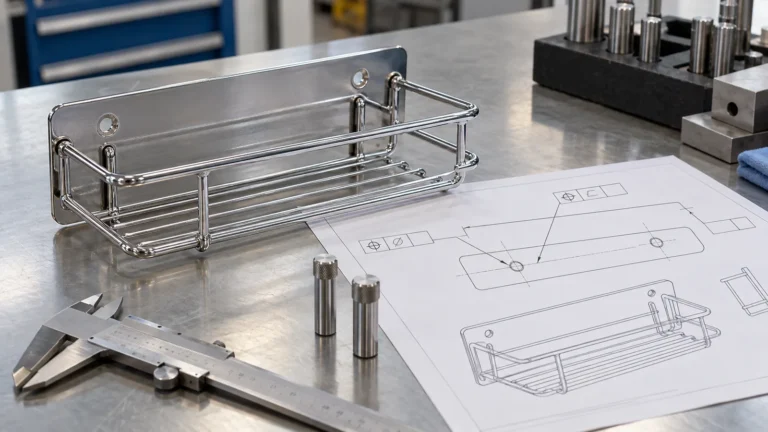
For a wall-mounted bathroom basket, for example, a baseline may specify the basket envelope, two mounting points, bracket geometry, included fasteners, finish, and the tile or wall condition expected during review. A product drawing can define dimensions and fit requirements. The use scenario may require checking that the basket sits level, fasteners engage, the mounting plate remains accessible, and the intended product can be installed using the agreed method. Those are separate but linked records.
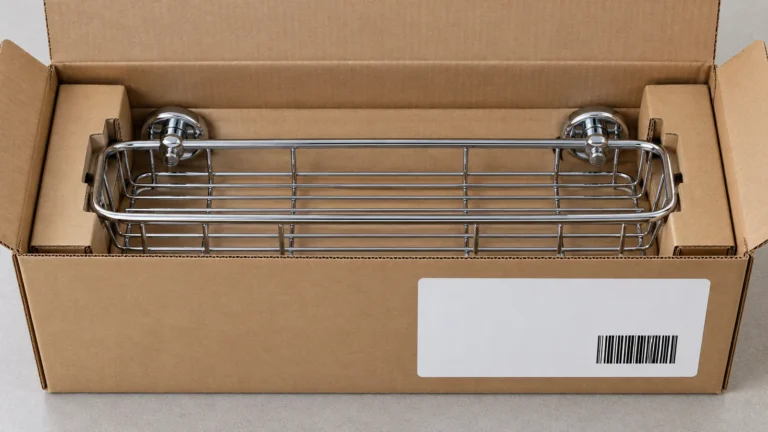
A baseline should also say what sample stage is being reviewed. A concept model may test layout. A prototype may reveal interference. A production-intent sample can be more representative of the manufacturing process and finish. A fully packed sample can answer questions about pack-out or transit protection. Do not call every sample “final” without identifying which design and process conditions it represents.
Design verification versus design validation OEM hardware planning should therefore begin with two separate lines in the approval plan: the requirements that can be checked against the released baseline and the use conditions that must be demonstrated or evaluated.
Configuration control becomes especially important when the buyer changes a dimension, material, coating, assembly method, hardware component, or packaging. A favorable result from one configuration does not automatically apply to a later revision. Record the change, determine which requirements it may affect, and repeat only the relevant evidence checks. This approach avoids treating an old approval as blanket approval for an altered product.
| Review question | Verification evidence | Validation evidence |
|---|---|---|
| Does the mounting plate match the released drawing? | Dimensional report or approved inspection against named characteristics | Not answered by dimensions alone |
| Does the basket engage with the specified bracket? | Interface dimensions and assembly check against requirements | Trial assembly can show whether the intended assembly sequence works |
| Is the selected finish present on the approved sample? | Visual or documented finish check against the defined requirement | Use-context review may reveal whether appearance is acceptable in the intended setting |
| Can the intended user install the product as planned? | May verify installation instructions or component list | Representative installation demonstration under agreed conditions |
| Does the packed product arrive protected? | Pack configuration and inspection against packaging specification | Distribution evaluation under the buyer’s route or protocol |
Choose verification checks that trace to explicit requirements
Each verification check should point to a requirement that can be observed or measured. If the drawing controls a hole location, the report should state the feature, datum setup, measurement stage, and method. If the specification names a finish appearance or packaging component, the review should define what acceptable evidence looks like. The buyer should avoid an unstructured request to “inspect everything” when only selected characteristics control fit, function, or release.
Verification can use inspection, measurement, analysis, or demonstration depending on the requirement. A dimensional report may be suitable for selected features. A sample assembly can show that known components fit together. A drawing review can identify missing definitions before production. A package inspection can confirm labels and inserts match the approved configuration. The evidence should be proportionate to risk and the product stage; no single instrument or report format is mandatory for every OEM hardware project.
Traceability matters. A result should identify the sample or lot, drawing revision, inspection condition, and relevant part configuration. If the sample has a different finish or fastener than the intended production item, record that difference. If a result depends on a measurement setup, describe the datums and method sufficiently for the buyer to understand its scope. An image can complement a report but should not replace a required measurement or acceptance record.
For a sample that does not meet a stated requirement, keep the observation separate from the proposed cause. “The mounting plate sits above the reference surface after tightening” describes an observation. “The welding fixture is wrong” is a causal claim that needs investigation. A useful corrective action identifies the requirement, checks the sample and process evidence, proposes a change, and repeats the relevant verification on the revised configuration.
Validate the product in the buyer’s intended use context
Validation asks whether the designed product is suitable for its intended purpose. For a bathroom accessory, that may involve a representative installation surface, actual mating hardware, expected assembly sequence, clearance around neighboring fixtures, cleaning or handling tasks defined by the buyer, or the buyer’s packaging and merchandising workflow. The use conditions must come from the project. An editorial example cannot substitute for an agreed use environment or product-specific test.
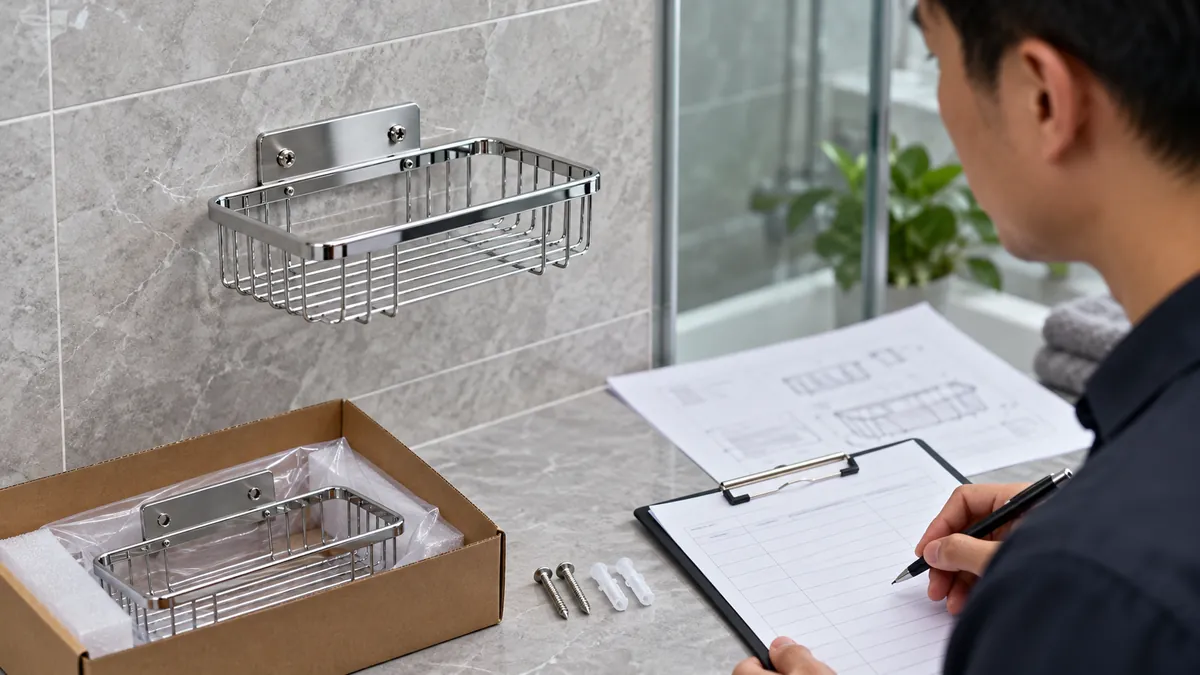
A realistic validation review identifies who is evaluating the product, what task they perform, what condition is representative, and what counts as an acceptable outcome. For instance, the buyer may want to see whether a basket can be mounted using the specified fasteners on the intended substrate and whether the product remains accessible in the planned installation. This demonstration does not automatically verify all dimensions, long-term corrosion behavior, or load capacity. Those questions need separately defined requirements and appropriate evidence.
Validation can occur at more than one development stage. A drawing mock-up may reveal an installation conflict before tooling or production. A prototype can help the product team evaluate access and proportions. A production-intent sample can support a later review under more representative construction and finish conditions. NASA’s guidance notes that verification and validation approaches can differ as the design matures; buyers can apply this general principle by recording what each stage is intended to learn and what remains unresolved.
Avoid overgeneralizing from one successful demonstration. A sample installed on one tile arrangement does not prove fit on every wall, substrate, or bathroom layout. A user’s positive impression does not establish compliance with a numerical drawing requirement. State the tested or demonstrated configuration, sample revision, observations, and limits so commercial teams do not turn a narrow result into an unsupported universal-fit claim.
Build an evidence matrix that connects both reviews
The strongest development record makes the relationship between the requirement, verification check, validation activity, and approval owner visible. A compact matrix can show which requirements are objective, which use scenarios need demonstration, what sample revision is used, and what must be revisited after a change. This is more useful than collecting unrelated photos, measurements, and email approvals without a clear link to the product baseline.
| Product decision | Requirement baseline | Verification check | Validation activity | Approval boundary |
|---|---|---|---|---|
| Mounting interface | Drawing identifies plate, holes, datum, and fastener | Measure controlled features and confirm component identity | Assemble or install with representative mating parts | Buyer and supplier agree configuration and result record |
| Basket geometry | Approved envelope and wire arrangement | Inspect selected dimensions and visual requirements | Place product in intended installation context | Demonstration applies only to reviewed arrangement |
| Surface finish | Buyer defines finish, color, and appearance criteria | Compare sample to agreed reference and record condition | Review appearance in representative lighting/use context if required | Do not infer corrosion performance from appearance alone |
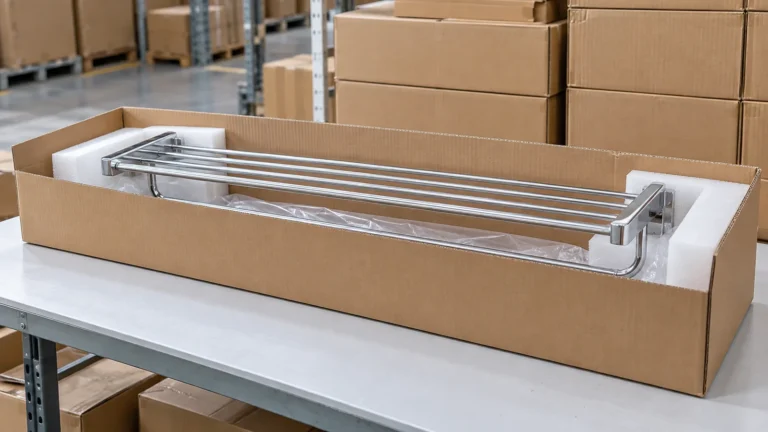
| Emballage | Pack drawing, materials, labels, and included hardware | Check sample against the released pack specification | Evaluate pack usability or distribution protocol if required | Route-specific evidence remains with buyer’s protocol |
The matrix should identify a person or team responsible for each decision. The buyer may own intended-use acceptance and market requirements. The supplier may own manufacturing records and process evidence. Both parties may need to approve the physical sample or agree a change. Make those responsibilities explicit instead of assuming the supplier can approve the buyer’s intended user experience or that the buyer can interpret every manufacturing record without discussion.
When a mismatch appears, use the matrix to decide which checks need repeating. A finish-only change may require appearance and material review but not a full geometry recheck, depending on the product. A mounting-point change may affect dimensional verification and installed validation. A new carton may require package verification and possibly a route-specific validation activity. Record the rationale so future purchasing teams know why an earlier approval was retained or reopened.
Prevent approval gaps during OEM development and repeat orders
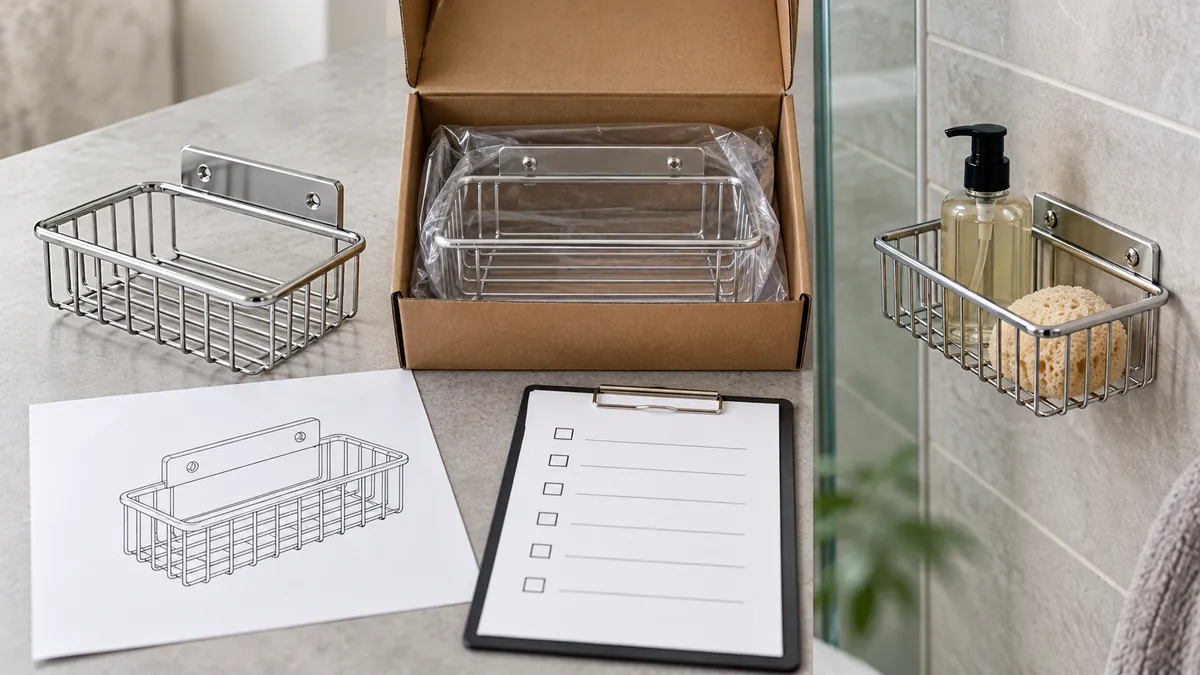
An approval gap often emerges at handoff. Product development signs off a sample, purchasing issues an order, and quality receives a drawing that no longer matches the reviewed piece. Prevent this by attaching a sample identity and revision to the approval record, listing open conditions, and defining the released configuration. If the buyer approves a sample “for appearance only,” state that geometry, installation, or packaging review remains open.
For repeat orders, compare the requested order configuration with the last approved baseline. Review changes in material, finish, supplier-provided components, drawing, tooling or fixture setup when they may affect a controlled feature. Determine which verification results remain applicable and which validation assumptions changed. Notification thresholds should be agreed during development; they should not be improvised only after a shipment discrepancy.
Keep claims within the scope of the evidence. A report that confirms selected dimensions does not establish every product characteristic. A successful mounting demonstration does not establish long-term corrosion resistance. A packaging review does not prove a carrier route without the agreed distribution conditions. When evidence is missing, record the status as open rather than implying it was completed.
When the design verification versus design validation OEM hardware record is handed from engineering to purchasing, carry forward both the released configuration and any unclosed intended-use questions; otherwise sample approval can be misread as unrestricted production approval.
Koitor’s OEM home-storage hardware manufacturing can support drawing- or sample-led product discussions for metal storage products. The buyer and supplier should agree which requirements are verified, which use conditions need validation, and which evidence each party will provide. For a project-specific conversation, contacter Koitor with the product baseline and intended approval stage.
Liste de contrôle pour la validation par l'acheteur
- Identify the current drawing, sample, finish, components, and package revision under review.
- Separate “meets the specified requirement” from “works for the intended use.”
- Link each verification check to a named requirement and defined evidence method.
- Define realistic intended-use conditions and the limits of each demonstration.
- Record sample identity, configuration, review owner, result, open items, and approval scope.
- Reassess affected checks after changes to geometry, materials, finish, mating parts, or packaging.
- Do not infer durability, load performance, universal fit, or certification from unrelated evidence.
- Keep supplier manufacturing evidence distinct from buyer-owned market and intended-use decisions.
Foire aux questions
Can one sample review cover both verification and validation?
It can include activities that address both questions, but the record should distinguish the evidence. A measurement against the drawing can verify a requirement; an installation demonstration can help validate intended use. One activity does not automatically prove the other.
Is verification only dimensional inspection?
No. Verification can include inspection, test, analysis, or demonstration, depending on the requirement. The important point is that the evidence traces to an approved requirement and a defined product configuration.
Who owns validation for a private-label hardware product?
The buyer or brand generally defines the intended user, market, and use conditions. A supplier can support agreed demonstrations and provide product evidence, but the parties should state who approves intended-use suitability and what the evidence covers.
Does a successful installed sample prove the product will fit every bathroom?
No. It demonstrates the reviewed configuration and conditions. Broader fit claims need representative configurations and clear boundaries; one installation should not be generalized to all surfaces or layouts.
What should happen when a design changes after approval?
Identify which requirements or use assumptions the change may affect, then repeat the relevant checks. Record the revised configuration and do not rely on an earlier approval without assessing its scope.
Plan a clear OEM sample-approval process
Share the drawing revision, product sample, intended installation, and open buyer questions so verification and validation evidence can be scoped separately.
Fabrication pour compte de tiers / Marque de distributeur
Transformez ce guide d'approvisionnement en cahier des charges
Indiquez-nous le produit souhaité, ses dimensions, sa finition, la quantité commandée et vos exigences en matière d'emballage. Votre équipe recevra une analyse pratique de la faisabilité de la fabrication avant l'établissement du devis.
 English
  Español
  Português
  Français
  Deutsch
  العربية