
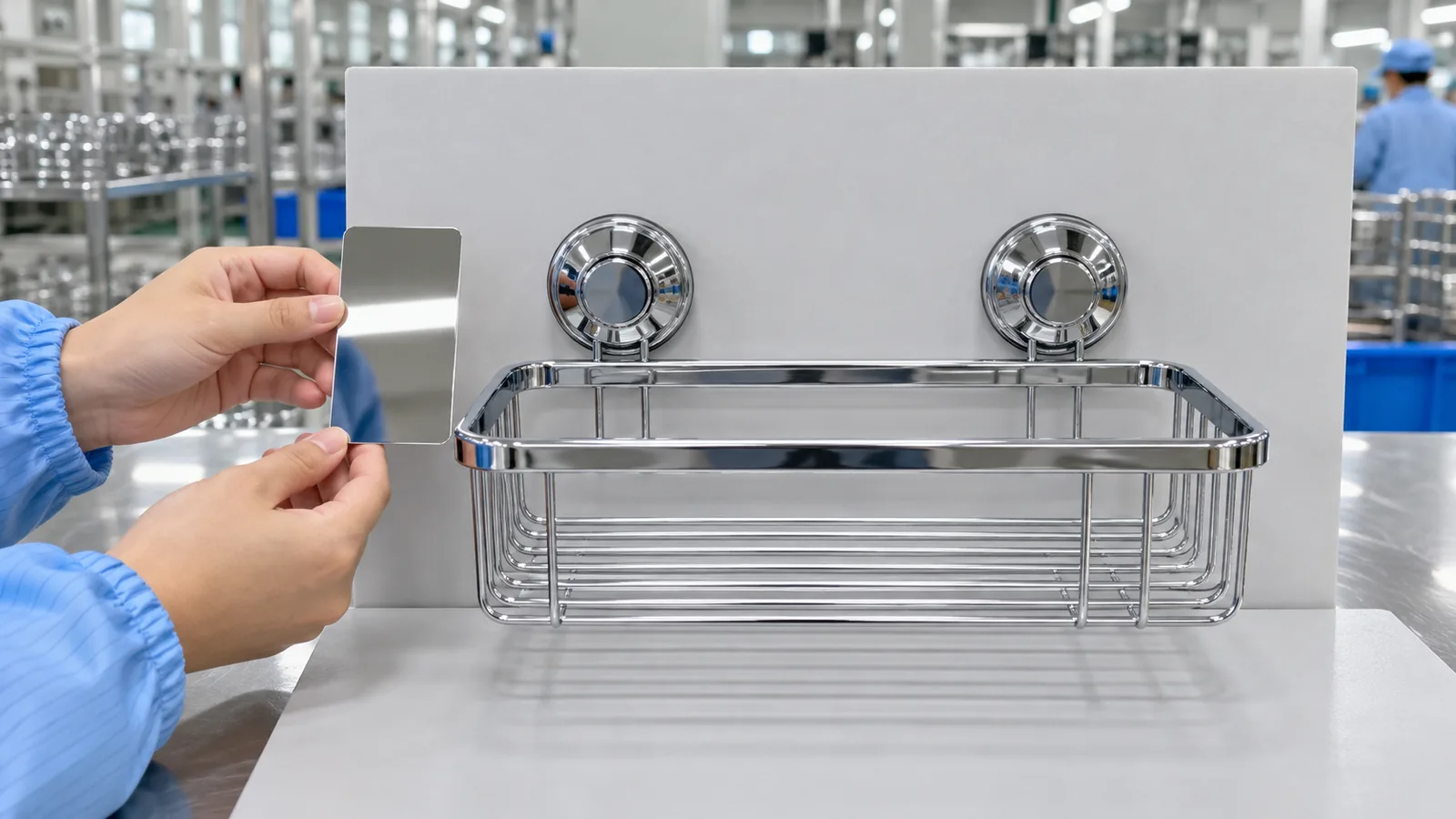
First off last off samples tool drift production checks give a buyer evidence from more than the first acceptable piece. A first-off sample can confirm that a setup begins within the agreed specification; a last-off sample can help reveal whether the process remained stable near the end of a defined run. They are bookend checks, not proof that every unit conforms, and they do not replace a sampling plan suited to the product and risk.
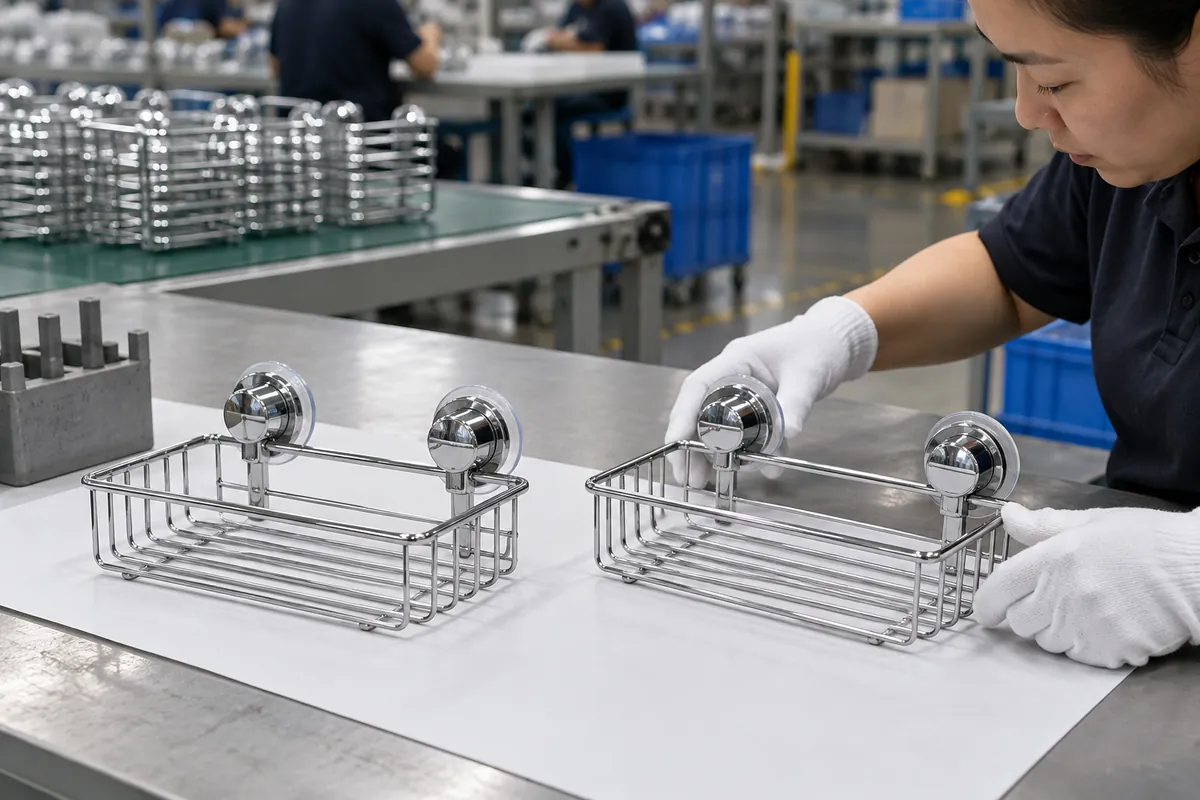
What does a first-off check establish?
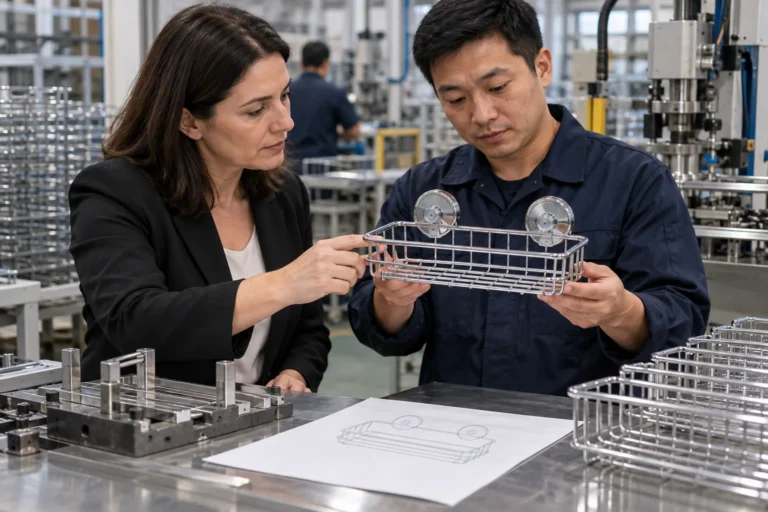
A first-off check examines an early item after setup, adjustment, or a defined production restart. For a formed or welded wire basket, the buyer or supplier may review dimensions, fit, weld locations, mounting interfaces, finish, and assembly characteristics that are relevant to the approved drawing. The precise features depend on the product and control plan; a generic first-piece form is not a substitute for identifying the characteristics that matter.
The first-off sample provides evidence about the start of the run under the conditions recorded. It can help confirm that the selected fixture, material, settings, and operator instructions have produced a reviewable item. It cannot establish that the process will remain unchanged through the full run, nor does a visually acceptable first piece establish every hidden or measurable requirement.
Define what event requires a new first-off review. Examples can include a setup change, tool or fixture adjustment, product revision, material or finish change, restart after a hold, or a move to another production route. These are possible triggers to include based on project risk, not a universal mandate for every process. Record the sample identity and why it represents the new condition.
Why should the last-off sample be considered?
A last-off sample is taken near the end of a defined production interval or lot. Comparing it with the first-off can help identify drift that emerged after setup—such as a gradual dimensional change, fixture movement, tool wear, or handling difference—if the feature and measurement method are sensitive to that change. In wire hardware, a buyer might compare a defined interface or geometry rather than relying only on overall appearance.
For first off last off samples tool drift production review, the label “last piece” needs context. It could refer to the final item in a shift, a lot, a batch after a setup, or a production window agreed by the buyer and supplier. State which interval is meant and how the piece is selected. A last-off sample from an unrelated run or after a process adjustment does not provide a valid comparison with the original first-off.
Last-off inspection does not guarantee that no defect occurred between the two samples. A process could drift and later return, or an isolated nonconforming item could occur in the middle. Use bookend checks to supplement—not replace—in-process controls, periodic checks, or an agreed statistical or lot-sampling plan. If the risk requires continuous evidence, a first/last comparison is not enough.
How do bookend checks differ from first-article inspection?
First-article inspection (FAI) typically documents that a sample or initial production item meets defined design requirements. The exact scope varies by industry and customer. A first-off sample is a production-start check; a last-off check adds a second time point to evaluate whether selected characteristics appear consistent across the defined run. Neither label alone determines the number of characteristics, inspection frequency, or acceptance rule.
| Check | Main question | Useful evidence | Important limitation |
|---|---|---|---|
| First-off sample | Did the defined setup produce an acceptable starting sample? | Sample ID, revision, setup condition, measured or visually reviewed features | Does not show later-run stability |
| Last-off sample | Does a selected end-of-run sample remain comparable on agreed features? | Run interval, sample location, same criteria and method, comparison record | Does not detect every event between samples |
| First-article inspection | Does the initial article satisfy the specified design or customer inspection scope? | Characteristic-level report tied to drawing revision | Scope may not include end-of-run process drift |
| In-process sampling | Are selected units during production meeting the defined controls? | Sampling plan, inspection records, nonconformance response | Frequency and method must fit process risk |
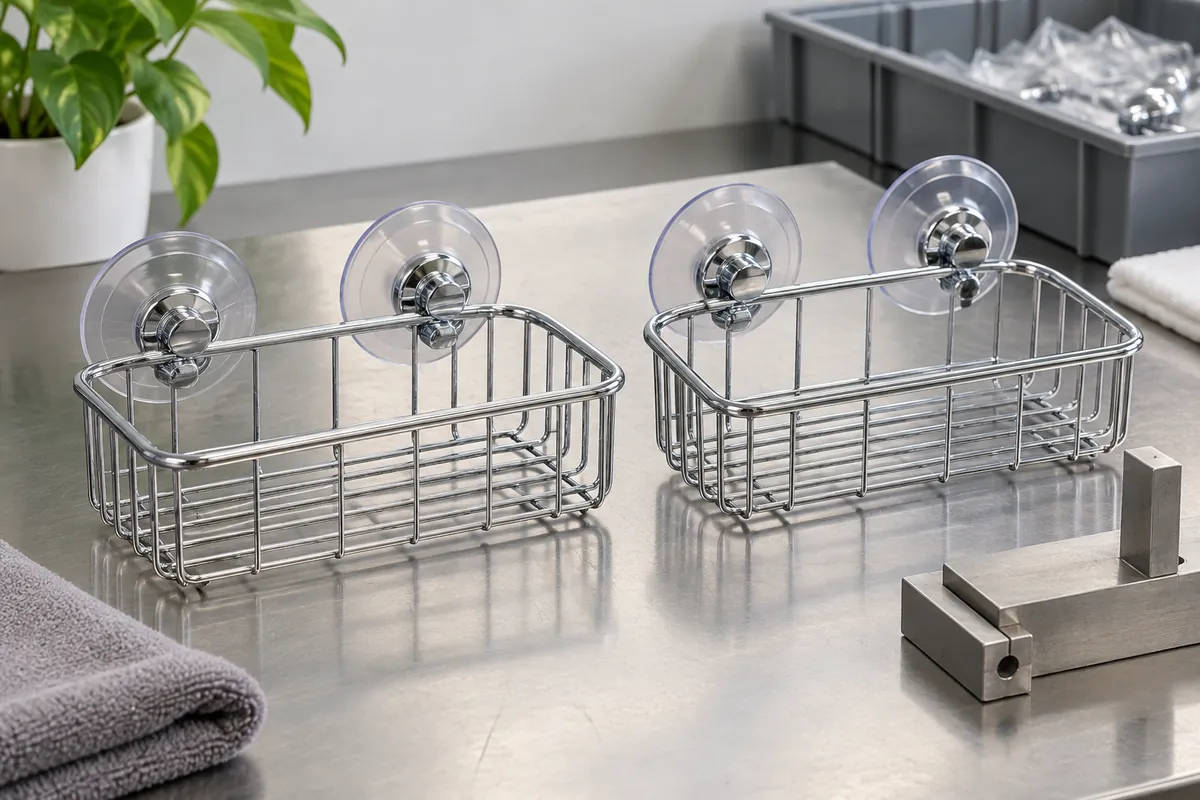
For buyer approval, describe the question each check answers. A supplier may use the term FAI for a structured report and also collect first-off or last-off samples as process controls. Ask for the actual record and sampling boundary instead of assuming terminology is standardized across organizations.
There is also a difference between a sample that is retained and one that is measured. A retained first-off and last-off pair can support later investigation if they are identified, stored, and protected from damage or mix-up. If a feature can change over time or during storage, define how the comparison will account for that condition. Do not rely on a loose sample without its drawing revision, lot identity, and inspection context; physical similarity alone is not traceability.
In some programs, the buyer will not receive every individual measurement. A summary report can still be useful if it identifies the sampled characteristic, result status, method, sample point, and any exceptions. If the result is only visual, say so. A statement such as “checked OK” is difficult to interpret when the buyer cannot tell which feature was checked or which sample the note describes. Agree on a proportionate record format before production so suppliers can capture evidence consistently rather than reconstruct it after a concern arises.
How should a buyer make first and last samples comparable?
Choose the features before the run. Link each to the product drawing or approved specification and state the measurement method, fixture or datum, and any condition such as assembly state or finish. If appearance is assessed, agree on lighting, viewing distance, and reference sample where appropriate. A comparison becomes weak when the first item is measured one way and the last another.
Identify both samples by product revision, lot or run, date, process route, and production point. Note any adjustments, downtime, tool changes, material substitutions, or rework between them. If an adjustment occurs during the run, decide whether the original last-off sample should represent the pre-change interval and whether the post-change condition requires a new first-off approval.
Keep the sample-selection method clear. The first acceptable item after startup and the final item before shutdown answer a different question from random pieces taken at the beginning and end. State whether samples are selected by the supplier, buyer, or agreed plan. If testing is destructive or a sample must be retained, clarify how many pieces are needed and who keeps them.
The objective is not to create paperwork for its own sake. It is to preserve enough context that a buyer can compare the conditions and make a sound decision if a mismatch appears. A concise record tied to a sample can be more useful than an elaborate form with no product revision or measurement context.
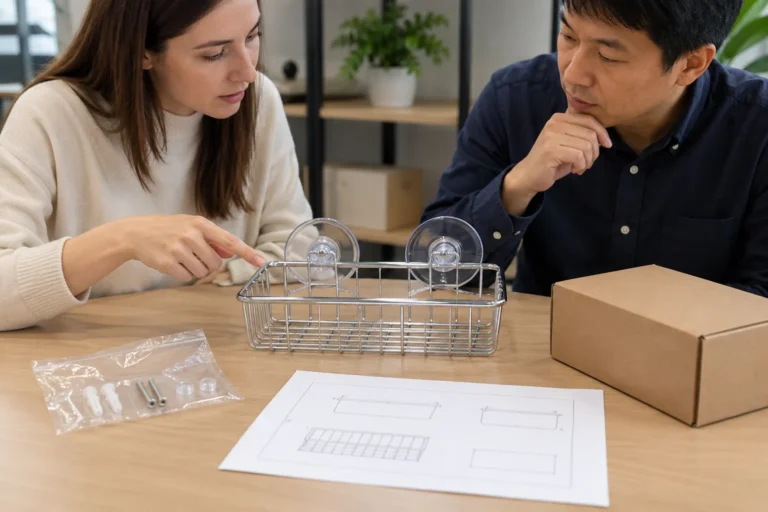
For example, if the purchase decision depends on the basket width, suction-mount spacing, and a defined weld location, the record should identify those requirements and how each was evaluated. It need not turn every characteristic into a separate essay, but it should make the acceptance basis recoverable. If a dimension is not accessible after assembly, decide whether to inspect it before assembly or use an agreed functional check. Keep the inspection sequence practical enough to repeat on the next order.
What should happen if the two samples differ?
First verify that the comparison is valid: same characteristic definition, method, revision, finish condition, and relevant sample state. Repeat or independently confirm a questionable measurement if the method or fixture could contribute uncertainty. Do not dismiss a difference as “normal variation” until the buyer and supplier have agreed on the tolerance, method, and criteria applicable to the feature.
If the difference is confirmed, contain the affected interval according to the agreed control plan. Identify the last known acceptable condition and the first known changed condition; if records do not locate the boundary, state that uncertainty plainly. Review whether the cause could involve tool or fixture movement, material change, process interruption, handling, measurement setup, or a design revision. These are investigation leads, not a presumption that any particular cause occurred.
Document disposition and corrective action separately. The supplier may need to sort, rework where permitted, replace, or seek buyer deviation approval, depending on the product requirement. Any corrective action should state what changed, how effectiveness will be checked, and whether a new first-off or end-of-run comparison is required. Do not alter the drawing limit after observing a result without formal engineering approval.
How should this control fit a production sampling plan?
When applying first off last off samples tool drift production checks, match the inspection plan to the severity and detectability of the characteristic, process history, order size, and buyer risk. A critical mounting interface may deserve a different control from a non-functional cosmetic feature. This guide does not assign a universal sampling frequency or acceptance number; those must be agreed using project requirements and qualified quality planning.
Separate setup approval from ongoing monitoring. A first-off gate can prevent an unapproved start from continuing, while in-process checks can help detect changes before the end of the run. A last-off sample adds useful end-point evidence but may arrive too late to prevent affected units from being produced. The plan should define what happens when a check fails, including hold identification, escalation, and restart approval.
For repeat orders, maintain a baseline of the approved feature, method, sample identity, and process route. Revalidation may be appropriate when tooling, fixture, material, finish, source, or routing changes. The buyer and supplier should set these triggers in advance so a new run is not treated as equivalent when its conditions materially differ.
Buyer checklist
– Define the run or lot interval and what “first-off” and “last-off” mean for that order.
– Select the drawing characteristics to compare and identify the approved revision.
– Agree on the measurement or visual method, fixture, datums, and sample condition.
– Record sample IDs, dates, process route, and the points at which samples were taken.
– Note material, tooling, fixture, adjustment, downtime, and rework changes during the interval.
– Decide who selects, measures, approves, and retains each sample.
– Treat bookend checks as supplements to in-process and lot sampling, not universal substitutes.
– Define containment and escalation if samples differ beyond agreed criteria.
– State which changes require a new first-off approval or revised monitoring plan.
– Retain the comparison record with the order and product revision documentation.
Frequently asked questions
Does a matching first and last sample prove every part is acceptable?
No. It compares two selected points and cannot reveal every isolated or mid-run defect. Use an appropriate in-process or lot-sampling plan when the risk requires broader coverage.
Is last-off inspection the same as first-article inspection?
No. FAI generally addresses an initial article against a defined design scope. Last-off inspection adds an end point for selected process characteristics. Confirm the actual records and scope because organizations use terms differently.
Should suppliers inspect every dimension on both samples?
Not automatically. Choose characteristics based on buyer requirements and process risk. State the required scope and method instead of assuming every feature is equally meaningful.
What if a fixture or tool is adjusted during the run?
Record the adjustment and identify which production interval it affects. The buyer and supplier should decide whether the post-adjustment condition requires a new first-off approval and a separate comparison.
Can photographs replace measurements?
Photographs can document appearance, sample identity, and visible conditions, but they do not replace a specified measurement when dimensional acceptance is required. Use evidence suited to the characteristic.
How should a buyer handle missing last-off records?
Record the evidence gap and its scope. Decide whether additional sampling, a controlled follow-up run, or a revised supplier control is proportionate before relying on the lot for repeat production.
Discuss a product-specific inspection plan
Share the drawing or physical sample, the characteristics that matter, and the production changes your team wants to monitor. Koitor supports custom metal hardware development; exact process controls and inspection responsibilities should be confirmed for each product and order.
Discuss your supplier quality requirements
Share the product revision, critical features, and sample-review expectations for a project-specific discussion.
Fabrication pour compte de tiers / Marque de distributeur
Transformez ce guide d'approvisionnement en cahier des charges
Indiquez-nous le produit souhaité, ses dimensions, sa finition, la quantité commandée et vos exigences en matière d'emballage. Votre équipe recevra une analyse pratique de la faisabilité de la fabrication avant l'établissement du devis.
 English
  Español
  Português
  Français
  Deutsch
  العربية