
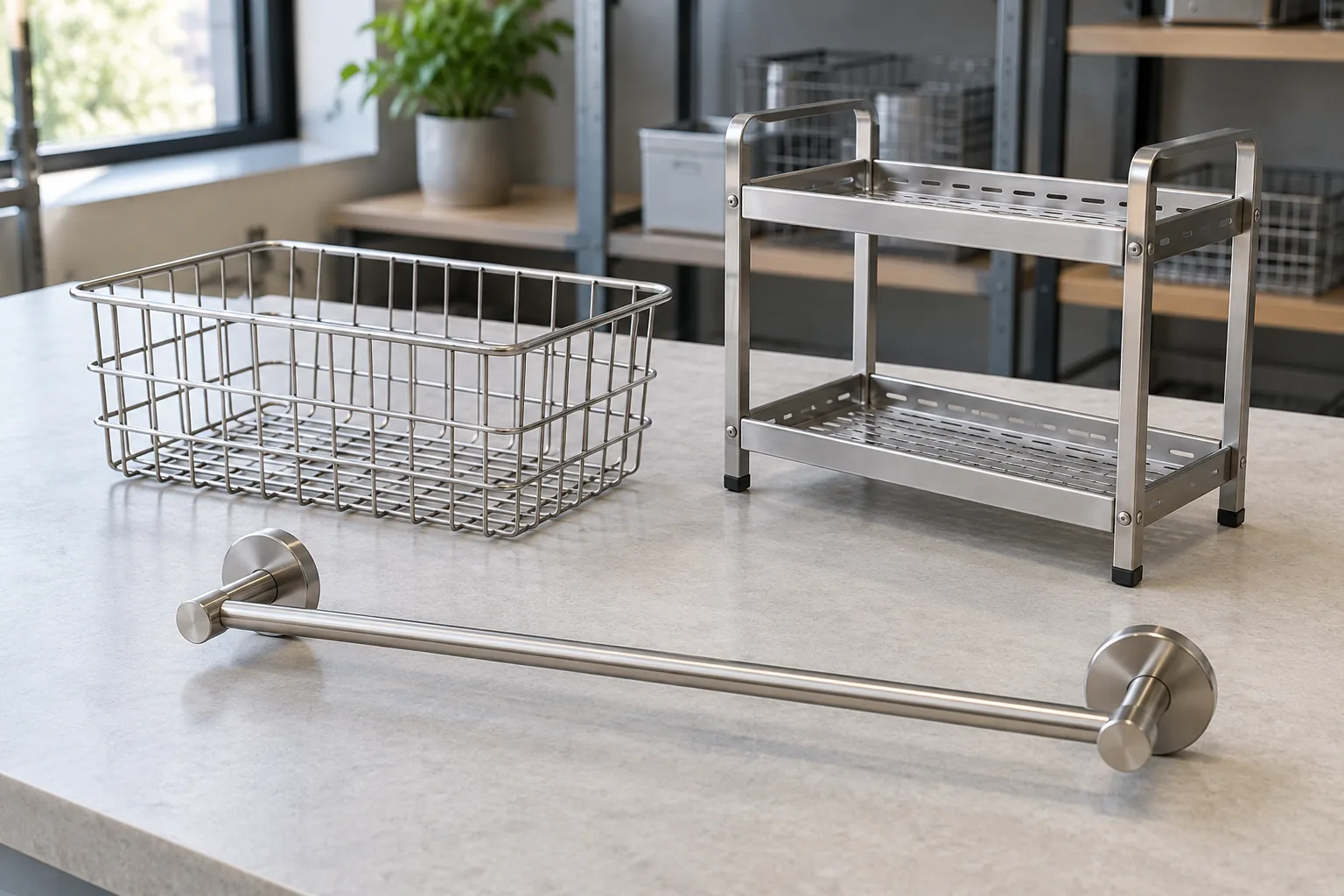
No: an importer should not assume that every household product needs a certificate to an Australian Standard. Australian Standards are technical publications; only some requirements become compulsory through product-specific laws or instruments. The phrase Australian product safety standards importer household products describes a buyer’s research question, not a universal certification rule. For each SKU, identify its actual product category, intended use and configuration, check current Australian Government product-safety rules, and match any claimed test evidence to that exact item. This guide was checked against official Australian sources on October 23, 2026; it is buyer education, not legal advice or a product compliance determination.
Are Australian Standards automatically mandatory for imported household products?
No. A standard and a legal obligation are related but not interchangeable. Standards Australia develops and publishes standards, but citing or purchasing one does not by itself certify a product. A standard may be voluntary, may be referenced by a mandatory product-safety rule, or may be used as one source of technical information. The buyer must check the legal instrument and product scope that actually apply in Australia at the time of supply.
The Australian Competition and Consumer Commission (ACCC) explains that mandatory standards prescribe compulsory safety or information requirements for particular products. A product covered by a mandatory standard must meet the relevant requirements before it is supplied. The ACCC also directly corrects the misconception that all products sold in Australia need to meet a safety standard: mandatory standards and bans are made for defined products, not automatically for every product category. A voluntary standard, by contrast, does not become compulsory merely because it is Australian or because a supplier mentions it.
That does not mean products outside a named mandatory standard can be ignored. Australia’s general consumer and product-safety framework still matters. An importer should consider foreseeable use, hazards, instructions, product identity, complaints and current official guidance, and should obtain appropriate professional advice for a real market-placement decision. “No specific mandatory standard found” is not the same statement as “the product is safe in every circumstance” or “no legal duties apply.”
For standards, keep the terminology precise. A test report can record results against a named method or standard, but the report is not necessarily a certificate, does not automatically demonstrate every legal obligation, and may cover only a particular model, revision, sample or test condition. A supplier’s general quality document is also not proof that an unrelated product meets a product-specific Australian rule.
The official starting points are the ACCC’s guide to product-safety standards and compliance and Standards Australia’s FAQ explaining its role in certification. Read the operative rule and its current scope rather than inferring a requirement from a search snippet, a supplier claim or a standard’s title.
How should an importer check the exact SKU and its intended use?
Start with the product as it will actually be supplied. “Home storage” is a useful commercial category but may be too broad for legal scope. A wire basket, a freestanding shelf, a wall-mounted bathroom rack, a furniture unit and an electrical storage product can have different construction, use and risk profiles. Even two items sold under one retail family may differ in height, anti-tip design, mounting method, included fittings, packaging or intended user.
Create one product identity record for each SKU or clearly controlled family. Include the model identifier; current drawing and revision; overall dimensions; material and finish as documented; assembly parts and accessories; mounting or freestanding configuration; intended and foreseeable use; load information if it is stated; included instructions and warnings; target market; and package configuration. Do not infer the material grade, safe load, legal category or compliance status from a photograph or product name alone.
When the query “Australian product safety standards importer household products” appears in a buyer brief, translate it into three concrete fields: target market Australia, exact product configuration, and the particular standard or rule being investigated. That keeps a broad search phrase from turning into an unsupported blanket certificate requirement.
Then search the live official catalogue of Australian product-safety bans and mandatory standards using the most specific product description available. Open the detailed instrument, not just a result heading. Confirm definitions, exclusions, start dates, transitional arrangements and whether a separate information standard applies. Record the access date and the official page used. Requirements can change, so an old supplier checklist or last year’s bookmarked page is not sufficient for a new launch.
The ACCC’s current mandatory-standards search and its product-specific detail pages are more reliable than assuming all household hardware shares one rule. If a product appears near a regulated category but the definition is unclear, preserve the question and ask the responsible Australian importer, compliance adviser or competent authority to resolve it. Do not make a legal classification by keyword matching alone.
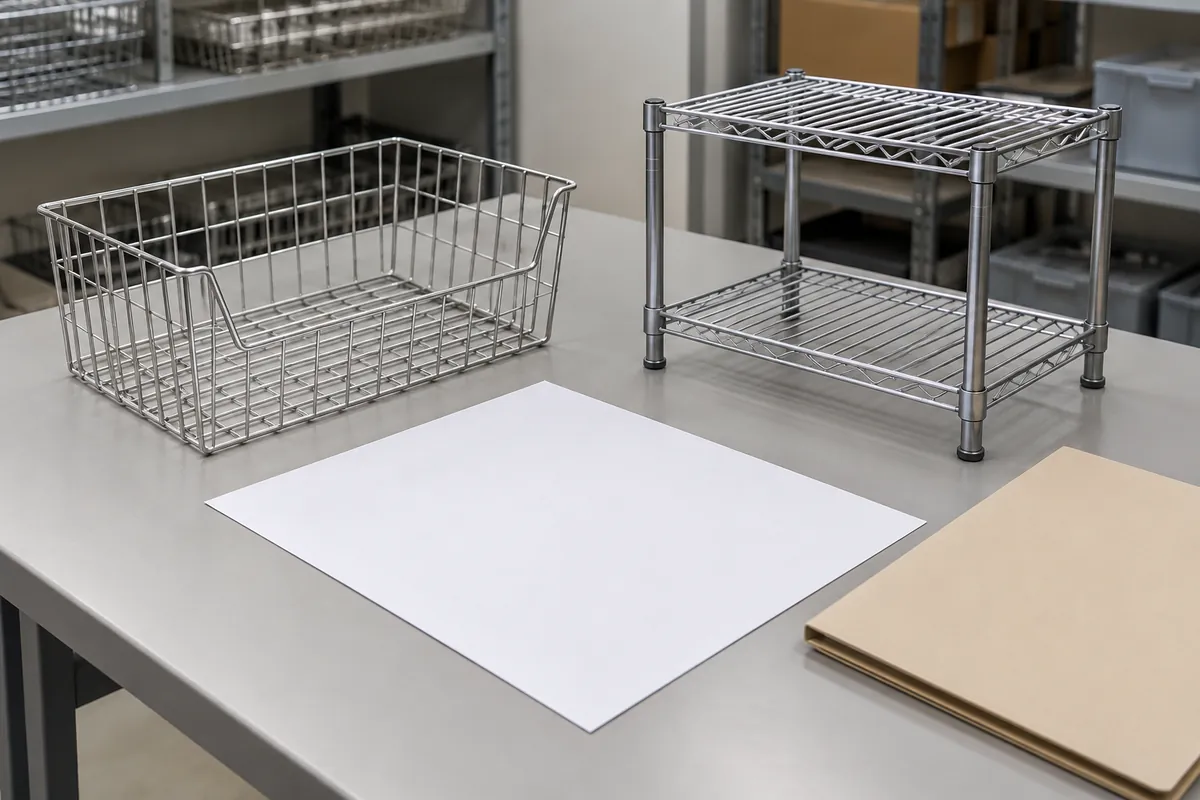
An importer can also separate the product into components when that helps scope the question. A rack body, supplied screw set, adhesive pad, suction cup, electrical accessory or child-directed feature may introduce different considerations. Ask which parts are included in the sold configuration and which are optional or buyer-supplied. A product’s declared purpose, instructions, marketing and foreseeable use should be consistent; relabelling a product does not automatically change what it is or remove applicable obligations.
What does the toppling-furniture rule illustrate—and what does it not prove?
Australia’s current official catalogue includes a mandatory information standard for toppling furniture. It is a useful example of why the importer must read exact product definitions rather than conclude from the broad term “storage.” The ACCC detail page describes defined furniture categories, including clothing storage units or bookcases at or above a specified height, entertainment units at any height, and certain hall tables, display cabinets, buffets or sideboards at or above a specified height. The detailed page also states an exclusion for furniture designed so it cannot be used unless fastened to a wall or other structure.
This example does not establish that every basket, shelf, bathroom accessory or storage rack is covered. Nor should a buyer assume a product is excluded simply because it can be attached to a wall: the rule’s actual wording, design facts and conditions must be compared carefully. Product naming is not a substitute for classification. A product that looks like a shelf may or may not fall within a defined furniture category depending on its construction and intended function.
The buyer’s practical task is to put the exact SKU facts beside the exact official definition. Check dimensions, furniture function, installation dependency, instructions and how the product is marketed. If those facts leave a genuine ambiguity, do not state a definitive legal conclusion in a purchase order. Ask the Australian party responsible for the decision to document its interpretation before launch and retain the source and date.
The ACCC’s toppling-furniture standard page provides the scope and timing details. Its presence in the catalogue is not a blanket rule for all imported home-storage goods; it is a reminder to verify named categories and their precise boundaries.
What supplier evidence should support a standards or compliance claim?
If a product is covered by a mandatory requirement, or a supplier claims testing against a voluntary standard, ask for evidence that can be traced to the product being purchased. Request the exact rule or standard name and edition, the requirement or clauses addressed, the test method and conditions, the report issuer, report date, tested model and revision, sample identity, result and any limitations. Where available, record the laboratory’s accreditation body and scope relevant to that method; accreditation can support confidence in testing but does not alone prove that the right product or requirement was assessed.
The ACCC’s sourcing and testing guidance says suppliers should ensure testing relates to applicable obligations and the product being supplied. A report on a visually similar item may not cover a changed wire diameter, altered weld, different material, coating, mounting component or instruction set. Ask the supplier to explain the match and disclose known differences. If the report does not identify the test sample clearly, ask what records link that sample to the approved product and production lot.
| Evidence item | What a buyer should record | What it does not prove by itself |
|---|---|---|
| Applicable legal instrument | Official title, current version, product definition and date checked | That the SKU is in scope without comparing its facts |
| Referenced Australian Standard | Exact designation, edition and clauses used | Universal certification or compliance with unrelated laws |
| Test report | Issuer, method, conditions, sample/model/revision, result and limits | That an untested variant or every production unit has the same result |
| Supplier product records | Drawing revision, materials/components and change history | Independent legal classification or importer approval |
| Production or lot link | Order/batch identifier and connection to tested configuration | Performance beyond the recorded inspection or test scope |
| Instructions and package review | Version, language, warnings and sold configuration | That a label replaces a safety assessment |
Ask for only the evidence needed for the actual risk and rule. A blanket demand for an “Australian certificate” can produce an irrelevant document and still leave the buyer’s real question unanswered. A better request names the SKU, target market, requirement under review and intended decision. If no product-specific mandatory standard appears to apply, the importer can still document its general safety review and the rationale for any voluntary testing or technical references it uses.
A focused search for Australian product safety standards importer household products may help locate official guidance, but the detailed current rule—not a search phrase, supplier assumption or broad product label—determines scope.
The ACCC’s source-and-test guidance discusses evidence review and matching testing to the product. It recommends using appropriately accredited laboratories, but accreditation is not described as legally compulsory in every case. Confirm what the applicable instrument requires instead of converting a recommendation into a universal rule.
How should buyers control design, supplier and test changes?
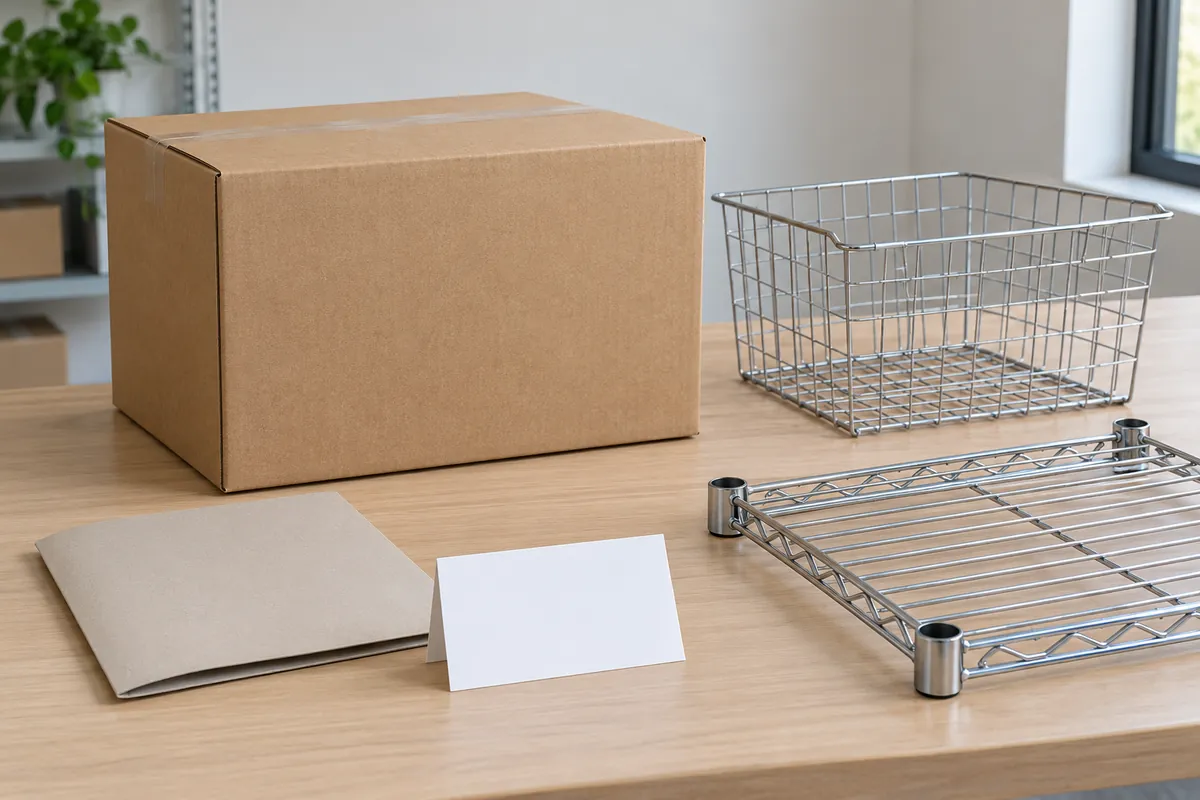
Evidence can lose relevance when the product changes. A drawing revision may move a joint, change a load path, alter a mounting interface or substitute a component. A finishing change may affect a surface requirement; packaging or instructions may also be relevant if a rule covers information supplied to consumers. This does not mean every minor change automatically requires a complete retest. It means the buyer and responsible supplier should screen the change against the original requirement, report and risk decision.
Use a simple change-control record: what changed; why; which SKU and revision are affected; whether material, dimensions, assembly, finish, supplied fittings, label or instructions changed; which prior evidence may be affected; who reviewed the change; and whether additional inspection, testing or legal advice is needed. Record the decision and its basis. Do not silently substitute a component after sample approval and assume an old report remains applicable.
Agree responsibilities before production. The factory can confirm manufacturing facts it controls for its own product, such as the supplied drawing revision, components, process changes communicated for the order and available inspection records. The Australian importer or its adviser determines legal scope and whether evidence is adequate for the intended sale. Koitor’s experience as a custom metal hardware manufacturer can support clear product and revision discussions, but it is not a substitute for an Australian compliance determination, certification body or laboratory assessment.
For products with wall mounting, adhesive, suction or other interfaces, document the sold configuration and intended substrate/use where relevant. Do not extend a test result to a different mounting method or installation surface without technical justification. For free-standing storage, identify whether stability information or furniture-specific scope is relevant. The exact question depends on product geometry, use and applicable official requirement, not a generic claim that all metal racks are treated alike.
What should an importer verify before placing a home-storage SKU on the Australian market?
Use the checklist below as a controlled handoff, not as a substitute for the legal text. Save the evidence with the exact model and revision so that a later buyer, quality reviewer or adviser can see why the decision was made.
- [ ] Identify the sale configuration: SKU, drawing revision, dimensions, materials, finish, supplied fittings and instructions.
- [ ] Describe intended use, foreseeable use, users and installation or freestanding configuration.
- [ ] Check current official bans and mandatory standards, including the detailed definition, exclusions, dates and any information requirements.
- [ ] Record whether the cited Australian Standard is voluntary or incorporated into an applicable mandatory rule; note the exact edition and clauses.
- [ ] Request test reports only for a defined requirement and verify sample identity, model, revision, method, conditions, result and limitations.
- [ ] Match supplier evidence to the production item and relevant order or batch; do not rely on visual similarity alone.
- [ ] Review material, structure, finish, mounting, packaging, warning and instruction changes for effect on prior decisions and evidence.
- [ ] Assign who approves legal scope, product risk, evidence, consumer-facing information and release to sale.
- [ ] Save official source links, access date, reviewer, unresolved questions and any advice received.
- [ ] Recheck current guidance at launch or when a relevant product, market or rule changes.
Importers seeking custom bathroom or home-storage hardware can give a factory a drawing, sample, target market and evidence question at the quotation stage. That makes it easier to identify the exact construction and revision being discussed. See Koitor’s OEM home-storage hardware manufacturing scope for the product-development context. Any legal classification or claim of compliance should still be checked by the Australian party responsible for placing the item on the market.
Perguntas frequentes
Do all products need Australian Standards?
No. The ACCC says the idea that all products sold in Australia must meet a safety standard is incorrect. Some requirements are mandatory for defined product categories; others are voluntary. Check the current official rules for the exact product and remember that general product-safety responsibilities can still apply.
Does a product need a certificate just because a buyer mentions an Australian Standard?
Not automatically. First identify whether the standard is incorporated into a mandatory rule or is being used voluntarily as a technical reference. Then check what evidence the actual rule or buyer’s risk decision requires. A test report, certificate, supplier declaration and quality-system document are different records and should not be treated as interchangeable.
Is a supplier test report enough for every version of a product?
Not necessarily. Confirm the tested sample, model, revision, test conditions, method and report limits. A material, size, mounting or finish change may affect relevance; screen the change rather than assume the report covers every variant.
Can a factory decide whether an Australian standard applies?
A factory can provide accurate product and manufacturing information and identify which report or standard a supplier claims to have used. The Australian importer or its qualified adviser should verify legal scope and decide whether the evidence satisfies the applicable obligation. A product guide cannot make that determination for a specific SKU.
What should I do if the official product category is unclear?
Write down the product’s actual construction, dimensions, intended use, installation conditions and consumer-facing description. Compare those facts with the detailed official definition, then seek advice from the responsible Australian compliance professional or authority. Keep the question open until resolved; do not turn a search result or supplier assumption into a compliance statement.
Final takeaway for Australian hardware buyers
The right question is not “Where is the universal Australian certificate?” It is “Which current rule, if any, applies to this exact product, and what evidence supports this configuration?” Separate voluntary standards from mandatory rules, check official product definitions, connect test records to the SKU and revision, and review changes before sale. This approach helps avoid both unsupported blanket paperwork demands and the opposite mistake of assuming that no named standard means no product-safety responsibility.
Prepare a SKU-Specific Hardware Evidence Request
Share the product drawing, revision and target market for a discussion of documented metal hardware configuration. Confirm applicable Australian requirements and market-placement decisions with your qualified local adviser.
OEM / MARCA PRÓPRIA
Transforme este guia de fornecimento num resumo do produto
Indique o produto pretendido, as dimensões, o acabamento, a quantidade a encomendar e os requisitos de embalagem. A sua equipa receberá uma análise prática da viabilidade de fabrico antes da apresentação do orçamento.


 English
 Español
 Português
 Français
 Deutsch
 العربية