
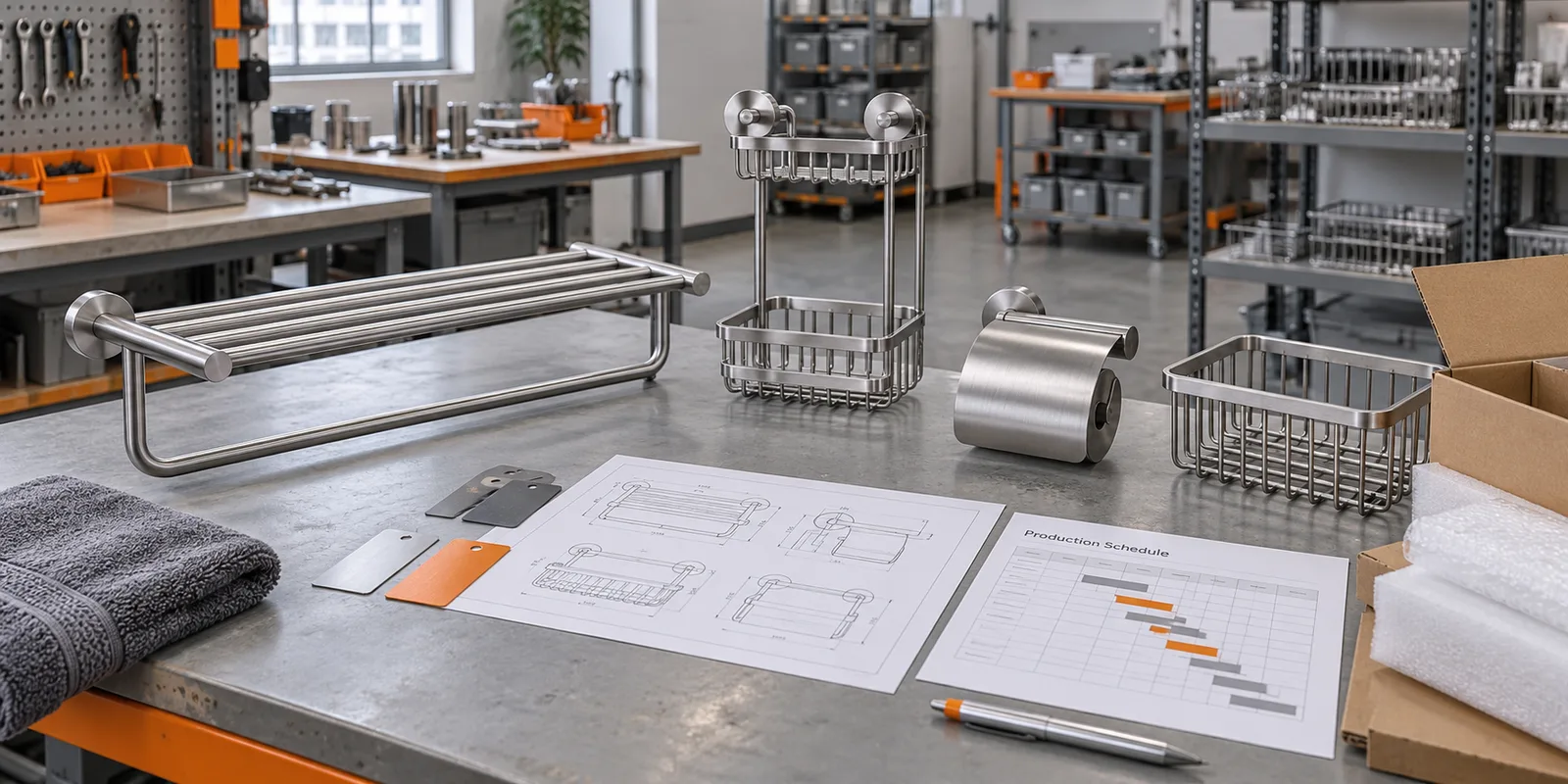
A bathroom hardware supplier long term partnership becomes stable when both sides control specifications, share realistic forecasts, review quality with evidence, and resolve changes through named decision makers. Price remains important, but repeated orders depend on drawing discipline, material and finish consistency, packaging control, timely communication and fair handling of problems. Importers should build the relationship through measurable operating routines rather than informal promises.
What makes a bathroom hardware supply relationship stable?
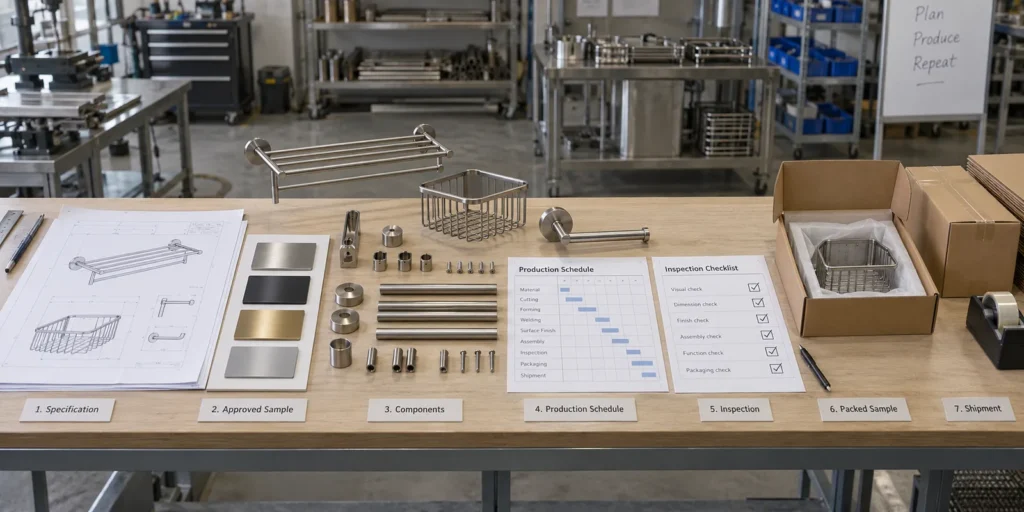
A stable supply relationship produces predictable decisions even when order quantities, schedules or product details change. Stability does not mean that every order is problem-free; it means both sides know how to prevent ambiguity, report exceptions and agree corrective action.
The buyer contributes clear product requirements, realistic demand information, timely approvals and consolidated feedback. The factory contributes manufacturability review, controlled production information, honest schedule updates and evidence-based quality follow-up. When only one side maintains the system, repeated orders remain fragile.
Start by defining what stability means for the category. A distributor may prioritize consistent finish across repeat orders and spare-part availability. A retail buyer may prioritize packaging artwork, barcode control and launch dates. An e-commerce brand may prioritize assembly clarity, carton protection and rapid correction of customer complaints. The supplier cannot optimize every variable equally without knowing the commercial priorities.
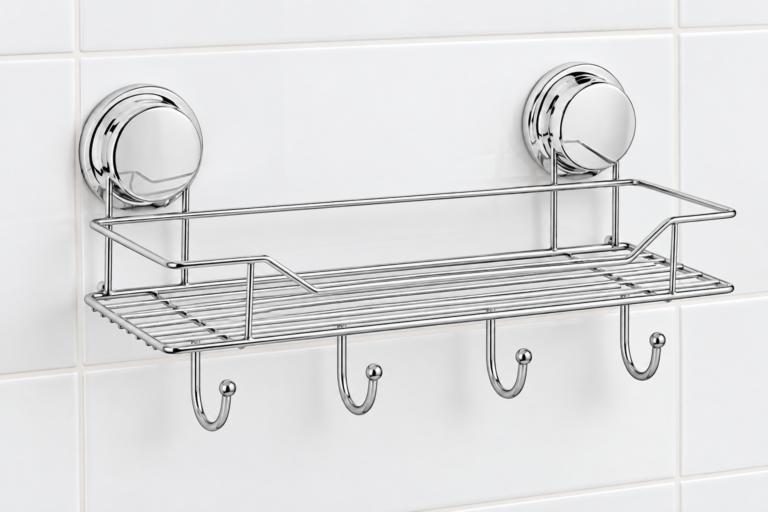
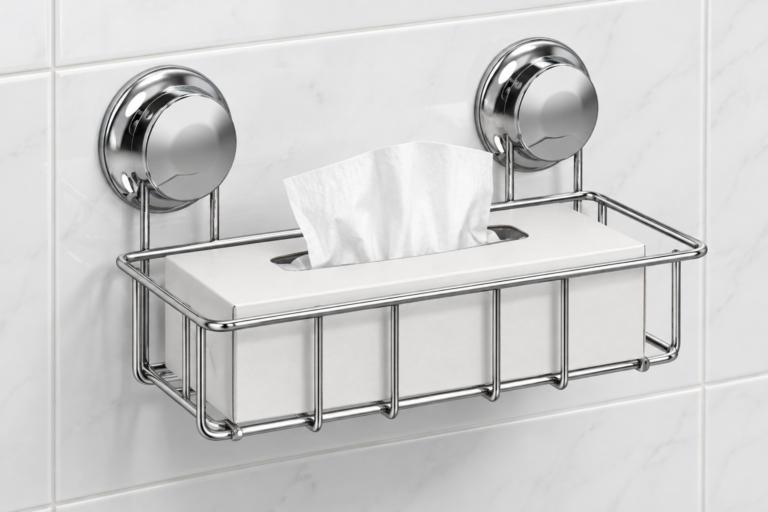
Product fit also matters. A supplier experienced with towel racks, shower caddies, tissue holders and wire baskets may provide more useful feedback on metal dimensions, welding access, surface finishing and packaging than a general source. Buyers can review Koitor’s OEM bathroom hardware manufacturing scope when evaluating category fit.
Finally, stability needs economic logic. The product, MOQ, tooling, inspection, packaging and payment arrangement must be workable for both organizations. An agreement that depends on permanently unrealistic pricing or lead time is unlikely to remain dependable.
Which specifications should be controlled across repeat orders?
Repeat orders should use one approved product specification package that identifies the current drawing, material, finish, components, inspection points and packaging. Verbal memory is not a reliable control system for a custom hardware supplier relationship.
Assign a product code and revision to each design. The drawing should show overall dimensions, component dimensions, hole spacing, wire or tube size, important angles, assembly interfaces and tolerances that affect fit or appearance. Mark critical dimensions instead of applying unnecessarily tight tolerances everywhere.
The material description should be specific enough for purchasing and production to use consistently. “Metal rack” is not a material specification. State the agreed material type and relevant dimensions, then identify any project-specific verification required before bulk production.
The finish specification should include process type, color or appearance reference, gloss or texture expectation, visible surfaces, masking areas and acceptable variation. Approved physical references are preferable when color and texture matter because screens and photographs display surfaces differently.
The component list should cover screws, wall anchors, adhesive pads, caps, hooks, tools, instruction sheets and spare parts. Small accessories often create large customer-service problems when their quantity or fit changes between orders.
The packaging specification should show protection materials, product orientation, hardware-bag position, inner packaging, carton dimensions, labels, barcodes and shipping marks. If buyers are developing retail presentation, the acessórios de casa de banho de marca própria process should be connected to the same controlled product revision.
Keep an approval record listing who approved the drawing, sample, finish and packaging, and when. When a change occurs, update the relevant document and communicate the revision. Do not allow an email comment to become an invisible permanent specification.
How should buyers share forecasts without creating false commitments?
Buyers should separate forecasts from purchase commitments and explain the confidence level of each demand period. A practical forecast helps a factory plan material, labor, packaging and finishing capacity without treating uncertain demand as a guaranteed order.
Use a rolling forecast with three zones. The near-term zone contains confirmed purchase orders or quantities close to confirmation. The middle zone provides likely demand that may still change. The longer-term zone signals direction, seasonality or new product launches but carries lower confidence.
Update the forecast on a regular schedule and explain material changes. If a promotion moves, a retailer delays approval or inventory sells more slowly than expected, early communication gives the supplier more options than a last-minute cancellation.
Discuss materials and packaging that create commitment risk. Custom colors, printed boxes, unique accessories or special components may require purchasing before production. Agree which items can be held, how long they remain usable, who owns obsolete stock and what approval triggers purchasing.
Forecasts should include product mix, not only total units. Five hundred pieces split across five colors or structures may require different setup and material planning from five hundred identical pieces. The same applies to master cartons, instruction languages and retail labels.
For Koitor projects, MOQ can start from 100 pieces depending on structure, material, finish and packaging. Small-batch planning may support market tests, but the appropriate quantity must be quoted for the individual design. Samples usually take around 5-7 working days after details are confirmed, while bulk production usually takes around 4-6 weeks depending on project conditions. These are planning ranges, not fixed guarantees.
Which operating routines improve OEM supplier communication?
Good OEM supplier communication uses consistent owners, formats, milestones and response expectations. More messages do not automatically create better control; the important information must be easy to find and tied to the correct product and revision.
| Routine | Buyer Responsibility | Supplier Responsibility | Recommended Record |
|---|---|---|---|
| RFQ review | Send complete requirements and commercial priorities | Identify open questions and manufacturability risks | RFQ checklist and marked drawing |
| Sample review | Return consolidated, numbered feedback | Explain causes, actions and revision impact | Sample approval table |
| Order kickoff | Confirm PO, artwork and required date | Confirm scope, schedule and owners | Order confirmation sheet |
| Production update | Respond promptly to decisions | Report completed milestones and exceptions | Dated status report with photos |
| Controlo de alterações | State business need and approve consequences | Assess cost, timing, tooling and quality impact | Written change approval |
| Quality review | Define acceptance criteria and provide complaint evidence | Inspect agreed features and investigate deviations | Inspection or corrective-action record |
| Post-order review | Share sales, returns and packaging observations | Recommend practical process improvements | Order scorecard and action list |
Choose one commercial owner and one technical or quality owner on each side. Additional specialists can join when needed, but decisions should return to the named owners. This reduces conflicting instructions from purchasing, design, logistics and marketing teams.
Use one subject line or project code for each product and order. Put decisions in writing after calls. A short table containing issue, evidence, required action, owner and due date is easier to manage than a long message thread.
Agree response expectations by urgency. A production-stopping question needs a different response time from a future packaging idea. The supplier should also know when it is acceptable to proceed with an existing approval and when written buyer authorization is mandatory.
Direct communication is especially valuable during custom development. Koitor Hardware is a family-owned factory, so buyers can discuss drawings, samples, welding points, finishes and packaging with a manufacturing-focused team rather than passing every question through multiple commercial layers.
How should both sides manage quality problems fairly?
Quality problems should be managed by containing affected goods, defining the deviation, investigating likely causes and agreeing corrective action based on evidence. Immediate blame makes information harder to obtain and can delay the commercial decision.
Start with a precise problem statement. Include product code, order number, quantity checked, quantity affected, carton numbers, photographs, measurements and the relevant specification. Separate confirmed facts from assumptions. “Rack is bad” is not actionable; “mounting-hole spacing differs from approved drawing revision B on 7 of 20 checked units” gives the supplier a starting point.
Then decide containment. Depending on the issue, goods may be held, sorted, reworked, replaced or accepted under an agreed concession. The correct response depends on safety, function, customer expectation, timing and cost. No general blog can determine acceptance for a specific shipment.
Ask why the process allowed the issue to occur and why the inspection did not detect it. A useful corrective action changes a drawing, fixture, work instruction, inspection method, packaging arrangement or approval step. “Workers will be more careful” is rarely a complete long-term response.
Commercial resolution should consider evidence, responsibility and practical impact. Buyers should not use minor cosmetic observations to reopen an agreed price, and suppliers should not dismiss recurring defects because each individual mark appears small. Fair treatment protects the incentive to disclose problems early.
Close the action only after the revised control is visible on a sample or subsequent production. Keep the record linked to the product revision so the lesson survives staff changes and long gaps between orders.
How can buyers and factories reduce cost without weakening the product?
Cost improvement should remove unnecessary material, labor, setup, packaging or complexity while protecting the functions and appearance buyers actually need. Repeated orders create data that makes these discussions more reliable than one-time price pressure.
Begin with cost drivers. For bathroom and home storage hardware, these may include wire or tube dimensions, number of bends, joint count, grinding and polishing time, finish changes, assembly labor, special accessories, packaging volume and order fragmentation. Ask the supplier which features consume time or create scrap risk.
Design changes should be reviewed on samples. A smaller wire diameter, fewer supports or different joint may reduce cost but affect stability or appearance. A simpler finish may reduce setup but change customer perception or environmental suitability. Performance should be confirmed for project requirements before bulk adoption.
Packaging provides another opportunity. A knock-down structure may reduce packed volume but add assembly hardware, instructions and joint-control requirements. A nested basket design may save space but need protection between finished surfaces. Compare total landed and customer-service impact, not carton size alone.
Order consolidation can reduce repeated setup, but it may increase inventory exposure. Standardizing screws, brackets, finishes or carton sizes across a product family can sometimes improve purchasing and packing efficiency without making every product identical.
Buyers working across bathroom and home organization categories can review Hardware de armazenamento doméstico OEM capabilities when identifying components or processes that could be shared across related products.
When should a buyer expand orders with a stable bathroom accessories supplier?
A buyer should expand orders after the supplier demonstrates repeatability across technical review, samples, one or more controlled production orders, packaging and issue resolution. A successful first sample alone is not enough evidence for a large expansion.
Use a simple scorecard covering quality, delivery, communication, engineering support, documentation and commercial accuracy. Rate measurable events: approval revisions followed, milestones reported, inspection evidence complete, packaging correct, quantities accurate and invoices consistent. Add context rather than turning every event into a single percentage.
Increase exposure in steps. The next step may be a larger quantity of the same SKU, another finish, a related towel rack or basket, or a private-label packaging version. Changing quantity, product, finish and packaging simultaneously makes it difficult to identify the source of any problem.
Consider recovery behavior. A stable bathroom accessories supplier should communicate delays or deviations, investigate evidence and follow agreed actions. A supplier that resolves one real issue transparently may be a stronger long-term candidate than one evaluated only under ideal conditions.
Capacity discussion should be project-specific. Share expected order dates and product mix, then ask the factory to confirm material and process planning. Avoid relying on unverified headline capacity numbers because actual availability changes with product complexity and existing commitments.
Also maintain sensible continuity measures. Keep current drawings, approved samples, packaging files and supplier contacts under buyer control. Understand tooling ownership and storage arrangements. A good partnership reduces risk, but it should not depend on one person’s memory.
What should a long-term OEM partnership checklist include?
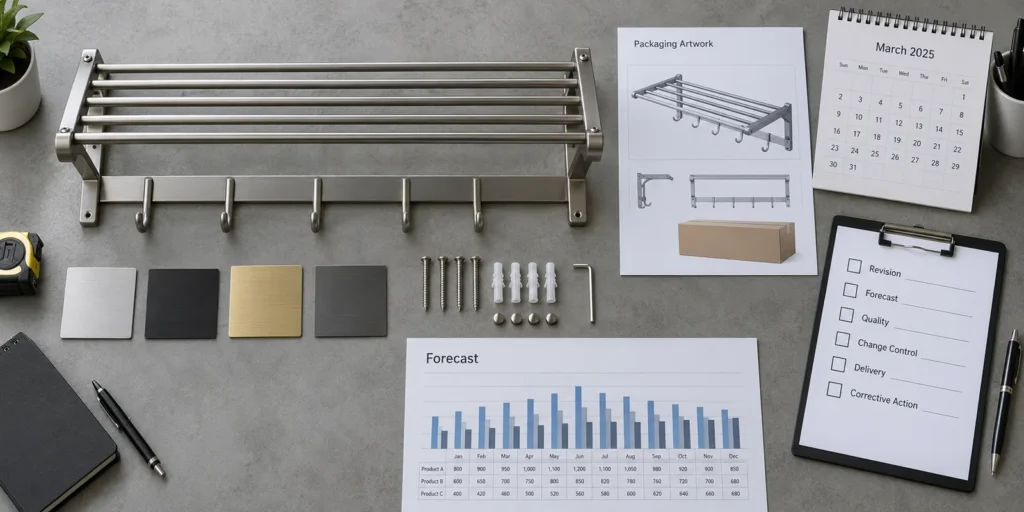
A long-term OEM partnership checklist should cover product control, planning, communication, quality, commercial rules and continuous improvement. Review it at the start of the relationship and after significant changes.
- Current product code, drawing revision and specification package agreed.
- Approved sample, finish reference and packaging sample identified.
- Critical dimensions, workmanship criteria and inspection responsibilities defined.
- Forecast separated from committed purchase orders and updated regularly.
- Custom material and packaging purchasing triggers documented.
- Commercial, technical, quality and logistics contacts named.
- Order kickoff, production update and approval milestones agreed.
- Changes evaluated for cost, timing, tooling and quality impact before approval.
- Complaint evidence format, containment and corrective-action workflow understood.
- MOQ, payment terms, lead-time assumptions and tooling ownership recorded.
- Post-order quality, delivery and packaging feedback reviewed.
- Cost-improvement ideas tested before being applied to bulk production.
- Buyer retains organized copies of drawings, artwork and approval records.
- Expansion to new SKUs or higher quantities occurs in controlled steps.
Use the checklist as a working agreement, not as paperwork created once and forgotten. Buyers can find related planning articles in the Recursos do Koitor knowledge hub.
Frequently asked questions about long-term supplier relationships
Should a long-term supplier always offer the lowest price?
No. Buyers should compare the complete commercial result, including specification accuracy, defect and delay risk, packaging, communication, tooling, payment terms and landed cost. A lower unit price can be valuable, but only when the quoted scope and performance expectations are equivalent.
How often should buyers review supplier performance?
Review important events after each order and summarize trends periodically based on purchasing volume and risk. New products, finish changes, recurring complaints or delivery changes should trigger a focused review rather than waiting for a calendar date.
How can a buyer avoid conflicting instructions to the factory?
Name decision owners, consolidate feedback and confirm changes in one written record tied to the product revision. Design, purchasing, quality and logistics can all contribute, but the factory should receive one approved direction.
What information should be included in a demand forecast?
Include SKU, expected quantity, requested period, confidence level, finish, packaging version and likely launch or promotion changes. Clearly distinguish forecasts from committed purchase orders.
Can a small trial order lead to a long-term program?
Yes. A controlled small-batch order can test production communication, product consistency, packing and shipment preparation before exposure increases. The MOQ depends on product structure, material, finish and packaging.
How does Koitor Hardware approach long-term OEM cooperation?
Koitor Hardware supports drawing- and sample-based development, small-batch OEM production and direct factory communication for bathroom and home storage hardware. The team can review manufacturability, welding, finish, assembly and packaging before quotation, then use approved project details for repeat orders. Buyers can contacte a Koitor to discuss a product-specific supply plan.
Trabalhe com a Koitor Hardware
Planning a Repeat Bathroom or Home Storage Hardware Program?
Send Koitor your drawing, physical sample, forecast, finish requirement, packaging plan and expected order quantity. Our team can review the manufacturing details, sample path and small-batch production options before building a repeat-order plan.
OEM / MARCA PRÓPRIA
Transforme este guia de fornecimento num resumo do produto
Indique o produto pretendido, as dimensões, o acabamento, a quantidade a encomendar e os requisitos de embalagem. A sua equipa receberá uma análise prática da viabilidade de fabrico antes da apresentação do orçamento.
 English
  Español
  Português
  Français
  Deutsch
  العربية