

China supplier payment terms for a first custom bathroom or home-storage hardware order should turn every payment event into a written trigger, evidence item, due date, responsible party and exception path. Do not choose a familiar percentage first and then try to fit the project around it. Align the schedule with the approved product scope, drawing or sample revision, production authorization, agreed inspection evidence, balance due date and shipment handoff. The right arrangement depends on the specific transaction and both parties’ agreement; no deposit split or sequence is universal.
This is a buyer-side planning framework, not legal, banking or financial advice and not a statement of Koitor Hardware’s payment terms. Ask the supplier to confirm the commercial agreement in writing, and consult the relevant bank or professional adviser about payment instruments, country rules and transaction-specific risks.
What do China supplier payment terms need to define?
A payment schedule is more useful when it explains what must happen before each amount becomes due. A percentage such as “deposit” or “balance” names a portion of the price, but may not identify which product version is covered, what evidence closes the stage, or what the parties will do if that evidence is incomplete. Those missing details create room for different expectations after the order has started.
For a made-to-order wire basket, towel rack or other metal storage product, start by identifying the commercial scope that the schedule governs. Link it to a purchase order or signed quotation that records the item description, quantity, unit price, currency, finish, packaging, included accessories, delivery basis and the referenced drawing or approved sample revision. If the project contains several SKUs or color options, state whether a milestone applies to the full order or to a defined line item.
Then write each payment event as a small control record: trigger + evidence + owner + due date + exception path. For example, “production authorization” is a trigger; the accepted drawing revision and sample approval record are evidence; the buyer and supplier are owners of specific confirmations; the due date is a calendar interval or agreed date; and the exception path explains what happens if the revision or sample is not accepted. That wording is more actionable than a label with no supporting conditions.
Keep the agreement consistent across the quotation, purchase order, pro forma invoice, sample approval record and later shipping documents. The U.S. International Trade Administration (ITA) describes a pro forma invoice as an early quotation/negotiation document and a commercial invoice as a sales document used in trade and customs processes. Document formats and requirements vary by destination, so buyers should confirm what their importer, forwarder and local authorities need in the actual shipment. See the ITA’s overview of common export documents and the project-specific STEP, DXF and PDF RFQ file-format guide when preparing the product definition.
How should a first-order milestone schedule be structured?
There is no single schedule that fits every custom order. Well-written China supplier payment terms make the trigger and evidence clearer without prescribing a universal split. The buyer and supplier can use the following table as a worksheet, then replace each prompt with the actual agreement. It deliberately uses no default percentages: the amount and timing must be negotiated for the transaction, quantity, development work, production plan and commercial relationship.
| Stage | Trigger to define | Evidence to name | Buyer question |
|---|---|---|---|
| Order confirmation | The agreed purchase order or quotation is accepted | Matching item, quantity, price, currency, delivery basis and revision | Does this record describe the exact products and terms both sides approved? |
| Development or deposit event | A named development task or agreed order authorization is ready to begin | Approved scope, drawing/sample version, packaging assumptions and any agreed development deliverable | What work is authorized, and what is not yet approved? |
| Production release | The agreed pre-production conditions are met | Accepted sample or documented approval, controlled specification and resolved open points | What evidence permits the factory to start the defined production version? |
| Inspection or acceptance checkpoint | The agreed inspection scope has been completed | Dated report, sample size or method, identified defects and corrective-action path | What does this check prove, and what does it not prove? |
| Balance and shipment handoff | The agreed payment/document event occurs | Required documents, their review window and the shipment-release condition | Is payment due before document release, before dispatch or under another written trigger? |
Some first orders have a separate sampling or tooling stage; others do not. A sample charge, dedicated fixture or development task should be described separately from the bulk-goods schedule if the commercial arrangement treats it separately. Identify the deliverable and acceptance condition for that stage. A sample can help buyers confirm form and finish, but it does not automatically establish that every production unit will match unless the parties define how the approved sample, drawings and process records govern the order.
For an order with several products, consider whether one combined event makes sense or whether milestones should be tied to separate item groups. If one SKU needs a revised sample while another is already approved, the schedule should say how the parties will handle that difference. Likewise, if color or packaging sign-off is still open, state whether it blocks all production, only the affected line, or a later packing activity. Avoid using “all approved” without identifying what approvals are included.
Payment timing should also be distinguishable from delivery terms. Incoterms or another delivery basis allocate agreed responsibilities around delivery and costs; they do not, by themselves, explain every commercial payment event, evidence requirement or dispute process. The ICC’s Incoterms 2020 Q&A specifically lists the time, place, method and currency of payment outside the rules’ scope. Put the payment due date and shipment handoff condition in plain language rather than expecting a delivery abbreviation to answer them.
What should trigger production start?
The production-start trigger should be precise enough that the buyer and the manufacturer can identify the same approved version. For custom metal hardware, that version may be a dated drawing, a signed sample record, a specification sheet, a purchase-order revision or a combination of these. Record the item code, dimensions, finish, mounting components, packaging and included accessories that have been settled. If a physical sample controls appearance while a drawing controls dimensions, state that division explicitly.
This is where a document chain can reduce avoidable rework. The buyer should know which file is current, what comments remain open, who can approve a change and whether a revision affects price, lead time, tooling or packing. A simple file-name or revision convention can help both parties avoid an outdated drawing being treated as the production source. Koitor’s guide to preparing drawings or samples for a custom hardware factory explains the product-definition handoff; the buyer should still confirm the specific order’s approved version and commercial effect directly with the supplier.
If the order includes a sample or pre-production review, state what the review covers. Buyers might look at overall geometry, fit between parts, weld appearance on visible faces, finish/color, hooks or mounting components, packaging and the product label. These are examples of fields that can be included, not a universal inspection standard. Define which points are critical, which are cosmetic, how any measurement is taken, who records the result and what happens when the result is not accepted.
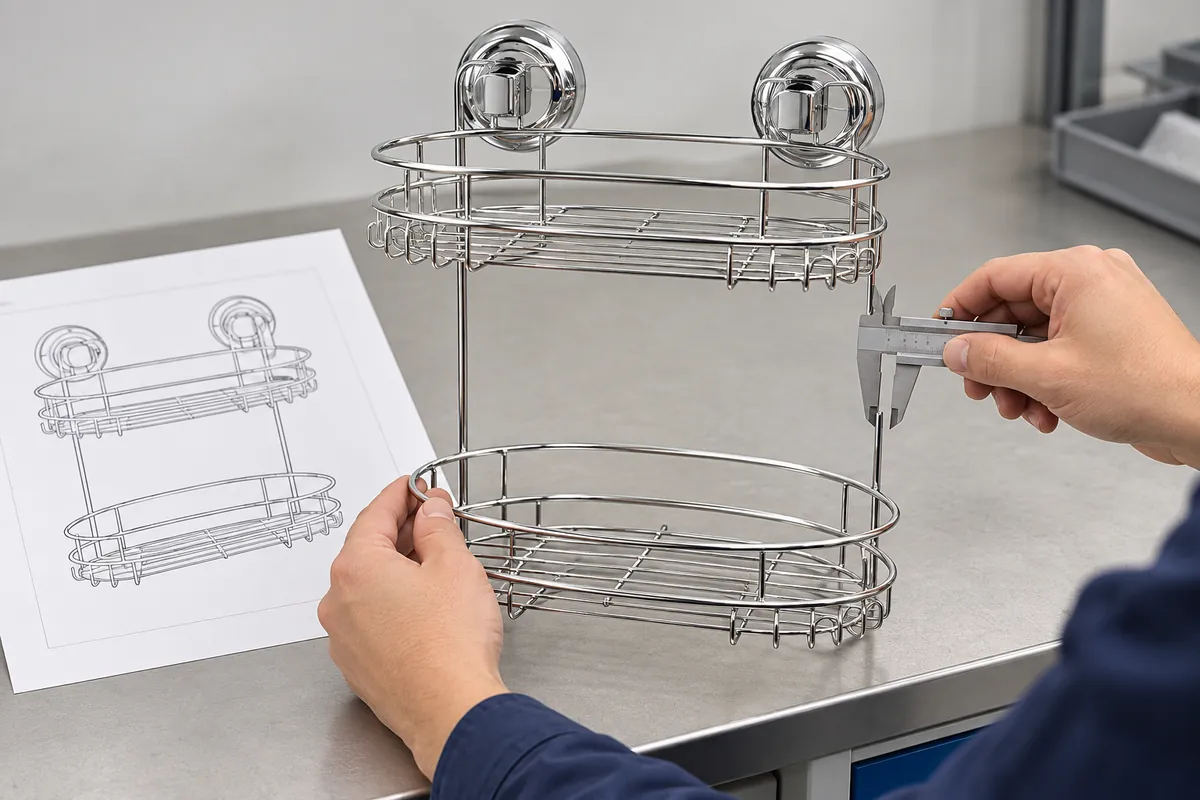
An approval record should be traceable. It can note the sample date, revision, accepted changes, outstanding exceptions and the people authorized to confirm the decision. If the buyer approves a finish chip but not the complete assembled sample, write that limitation down. If the sample is approved subject to a change, keep the condition visible until it is closed rather than treating a partial approval as unconditional release.
How should acceptance, balance and shipment evidence align?
Many first-order questions arise around the final balance: is it linked to an inspection, a document review, a shipment booking, dispatch or another event? The answer must come from the agreement, not from a generic percentage formula. The purchase order should identify the event that makes the payment due and the practical evidence that confirms it happened. If payment must precede a document or cargo release, say so directly and identify the release item.
Inspection evidence also needs a defined scope. A pre-shipment inspection might check specified dimensions, appearance, quantity, carton configuration or another agreed sample. The report should state what was checked and what result was recorded. A limited inspection does not prove every hidden characteristic, guarantee future performance or eliminate every transport risk. Agree how a failed or incomplete check will be handled: correction, reinspection, a documented concession, an adjusted shipment plan or another route accepted by both parties.
Be careful with language such as “balance after inspection.” Does that mean the balance becomes due immediately after the report is issued, after the buyer accepts it, after defects are corrected, or after a set review period? Who decides whether the evidence meets the agreed criterion? If no answer is written down, both parties may believe they have satisfied the same condition when they have not.
Document review should have a clear window and purpose. A buyer may want to compare the commercial invoice, packing list, quantities, marks and shipment details with the approved order before a release event. But the documents serve different purposes, and they do not replace product inspection. The ITA notes that export-document needs depend on the shipment and destination and recommends confirming requirements with the importer or forwarder. Ask the responsible party to identify the required document set and the latest date it can be reviewed without delaying the shipment.
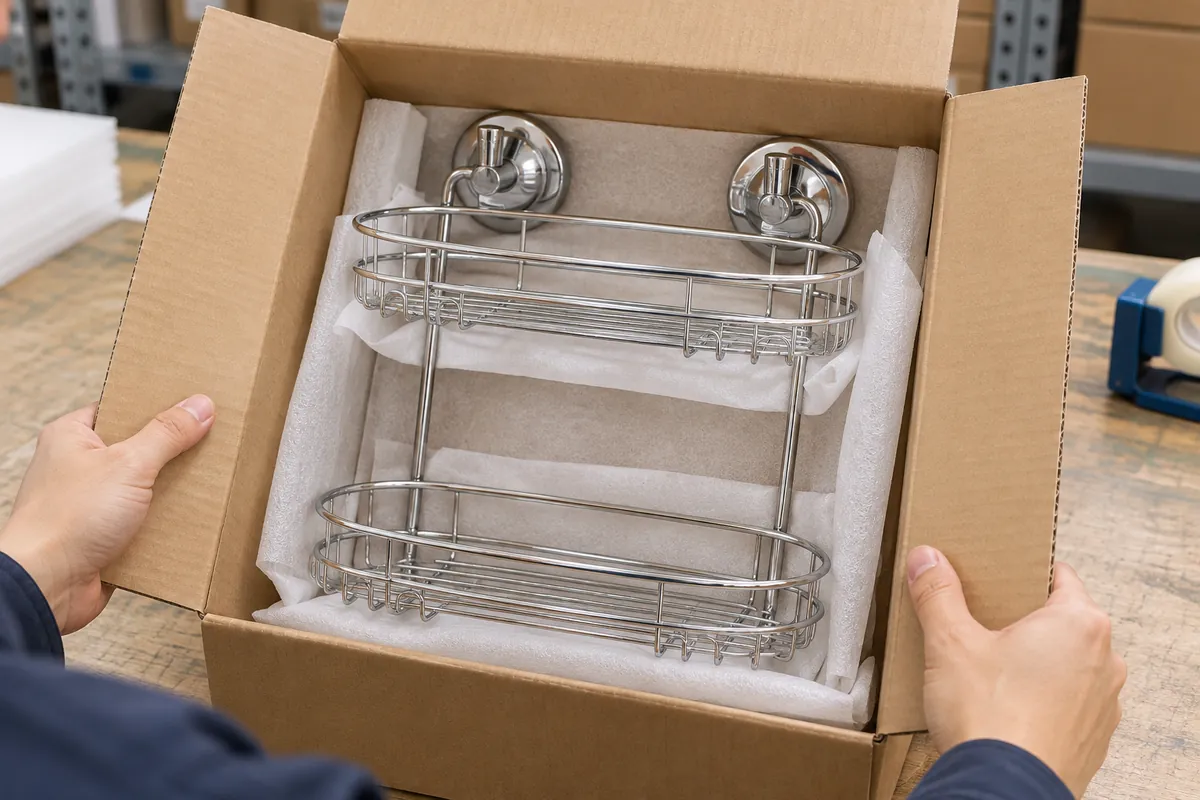
The shipment handoff can involve documents, a carrier, a freight forwarder, a bank or a customs broker. Identify which party prepares each document, who checks it, when corrections can be made and which original or electronic records are required. Avoid promising that a certain document guarantees product conformity, customs release or payment unless the specific contract and instrument support that conclusion.
How are payment milestones different from payment instruments?
A milestone is a commercial event in the buyer-supplier agreement: for example, an agreed deposit, an accepted sample, a completed inspection or a balance due before shipment release. A payment instrument is the channel or bank mechanism used to transfer or secure funds. A wire transfer, letter of credit and documentary collection are not interchangeable labels for the same schedule; each has different operating conditions and costs.
The ITA’s Trade Finance Guide explains that trade payment approaches differ in the risks and obligations faced by the parties. Under documentary collection, banks facilitate the exchange of shipping documents for payment or acceptance, but the ITA notes that banks do not verify document accuracy or guarantee payment in the same way as a letter of credit. The buyer should ask their own bank what a chosen instrument actually checks, what documents must comply and how discrepancies or disputes are handled.
If the buyer is considering documentary collection, the separate question of documents against payment (D/P) versus documents against acceptance (D/A) is not the same as deciding when a manufacturing milestone is complete. The ITA’s documentary-collections overview explains the bank’s limited document-handling role and questions buyers can raise with their bank. Do not infer that a collection arrangement verifies the metal product or inspection outcome.
Keep payment instructions and recipient verification in the order-control process. If bank details change after a quotation or purchase order has been approved, verify the change using a previously established contact route rather than replying only to the message that announced it. Confirm the exact beneficiary name, account details, currency and purpose with the authorized party, and follow the buyer’s internal controls. This is a practical fraud-prevention step, not a guarantee against payment fraud.
Which first-order mistakes create avoidable disputes?
Agreeing a percentage but not a trigger. “Deposit paid” may not clarify whether production starts immediately, after sample approval, after material confirmation or once the final artwork is signed. Name the exact condition and record who confirms it.
Letting the product revision drift. A quote, purchase order, drawing and sample can each describe a slightly different version. State the controlling revision and how a buyer-requested change affects the schedule. If the alteration changes bends, weld positions, mounting components or packaging, decide whether a new sample or cost/lead-time review is required.
Using inspection as an undefined payment switch. “Pay after PSI” leaves questions about scope, sample size, acceptance criteria, report format, review time and corrections. Agree those details before production, not after a shipment is waiting.
Treating an invoice as a complete product specification. A pro forma invoice or commercial invoice may identify goods and commercial values, but a separate controlled drawing or product specification can still be needed to define geometry, finish and packaging. Link the records without assuming one replaces the other.
Confusing the bank’s role with the supplier’s quality responsibility. A bank instrument may impose documentary conditions, but does not automatically confirm physical product quality. Ask the bank about the instrument and agree product evidence with the supplier.
Ignoring fees, currency and timing. State the settlement currency, which party bears transfer or intermediary charges, the date an amount is considered paid, and how weekends or banking cutoffs affect timing. Confirm these terms with the bank and counterparties instead of assuming an invoice’s currency settles every fee question.
Making an informal change by email without updating the order record. A new quantity, finish, carton or delivery assumption can affect the milestone. Capture the approved change in the purchase-order or revision record and update the evidence and due dates affected by it.
Buyer checklist before authorizing a deposit
Before authorizing a first payment, check whether the transaction file answers the following questions:
- Is the supplier’s legal and bank beneficiary identity verified through an established channel?
- Does the purchase order or accepted quotation identify each item, quantity, price, currency and delivery basis?
- Which drawing, sample, finish and packaging revisions control the order?
- What event authorizes development, tooling, sampling or bulk production, if those activities apply?
- What evidence closes each milestone, who provides it and who reviews it?
- What is the exact due date or due-date rule for each amount?
- When does an inspection trigger payment, and what defect-correction or dispute path applies?
- Which shipment documents are required for the buyer’s destination and who confirms that list?
- Is the balance due before dispatch, after document review, or at another event written in the agreement?
- What currency, fees, cutoffs and bank instructions apply?
- How will an approved order change affect cost, timing, inspection and the balance?
- Which bank or trade-finance adviser can explain the instrument-specific conditions?
The checklist is not a substitute for due diligence or a negotiated contract. It is a way to find missing decisions while the order is still easy to clarify. Keep the approved scope, payment triggers, evidence and change record together so the buyer’s finance, sourcing and product teams can refer to the same terms.
Frequently asked questions and next steps
Is there a standard deposit percentage for a first China OEM order?
There is no single percentage that applies to every transaction. The buyer and supplier should agree a schedule that reflects the product scope, development work, order quantity, evidence, relationship, payment instrument and other commercial conditions. Confirm the terms for the specific order rather than treating a market example as a rule.
Should the balance always be paid only after a pre-shipment inspection?
Not as a universal rule. The written agreement should say whether an inspection is required, what it covers, how acceptance is recorded and when payment is due relative to the report, corrections, document review and shipment release. A defined inspection does not guarantee every product characteristic or future outcome.
Does a letter of credit confirm that the hardware passed inspection?
A letter of credit is a bank instrument with conditions defined in its terms; it should not be assumed to verify the physical product. Ask the issuing or advising bank what documents must be presented and what it checks. Agree any product inspection separately with the supplier and define its scope and evidence.
Can a buyer revise payment milestones after a sample change?
The parties can discuss a revision, but should record the change and its effects before relying on it. A change to size, finish, mounting parts, packaging or quantity may alter work or timing. Identify the affected milestone, new evidence, due date and approval owner in the updated order record.
For a custom metal product, a clear payment plan begins with a clear product definition. Koitor Hardware is a family-owned factory focused on bathroom and home storage hardware; buyers can share a drawing or sample and discuss project-specific development scope without assuming a particular payment schedule. Use the custom bathroom hardware manufacturer page for product context, then confirm commercial terms directly for the proposed order.
Clarify Product Scope Before Ordering
Share your drawing or physical sample, expected quantities, revision requirements and packaging questions. Koitor Hardware can discuss custom metal storage product development; payment terms remain project-specific and must be agreed directly.
OEM / PRIVATE LABEL
Turn this sourcing guide into a product brief
Share your target product, size, finish, order quantity and packaging requirements. Your team receives a practical manufacturability review before quotation.


 English
 Español
 Português
 Français
 Deutsch
 العربية